Over the past decade, the automotive industry has undergone a significant transformation, driven largely by rapid advances in electronics and intelligent vehicle technologies. From electric powertrains and battery management systems to advanced driver assistance systems (ADAS), infotainment, connectivity, and vehicle control systems, electronics now account for an increasingly important share of a vehicle’s overall value.
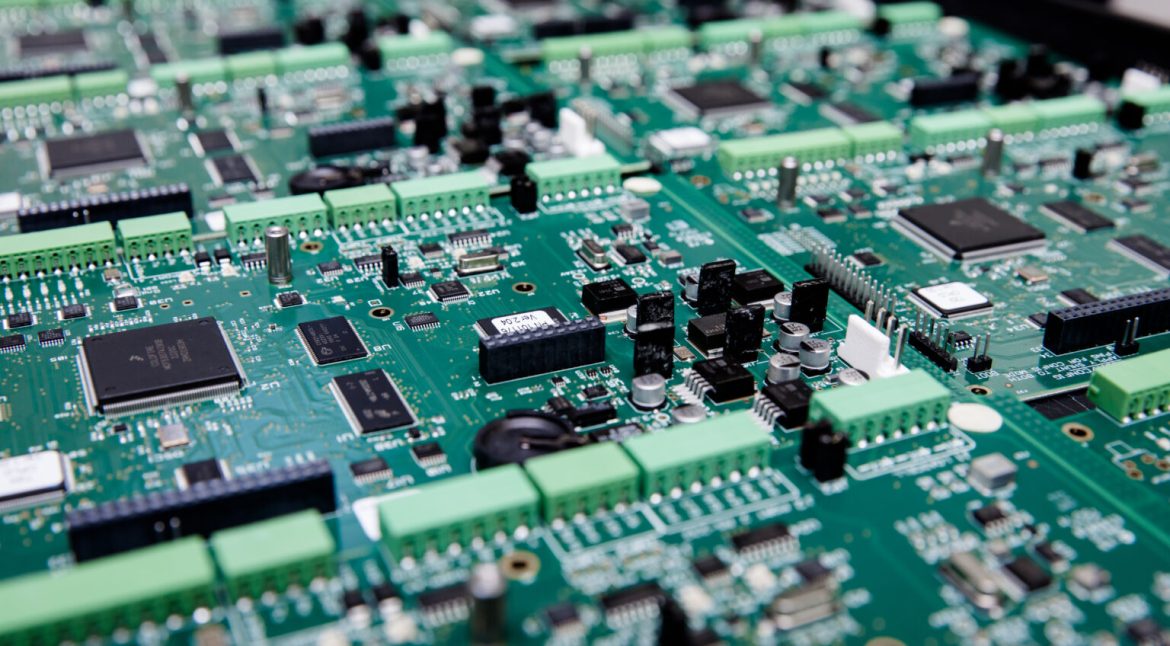
At the center of these electronic systems are printed circuit boards (PCBs), which provide the electrical interconnections required to control, monitor, and communicate across various vehicle systems. As automotive electronics become more compact, intelligent, and interconnected, automotive PCB assembly must meet increasingly demanding requirements for reliability, thermal performance, mechanical durability, signal integrity, and manufacturing consistency.
This article explores the key considerations, technologies, challenges, and emerging trends in automotive PCB assembly, while explaining how an experienced electronic manufacturing partner such as Kingda can support the development and production of reliable automotive electronic assemblies.
What Is Automotive PCB Assembly?
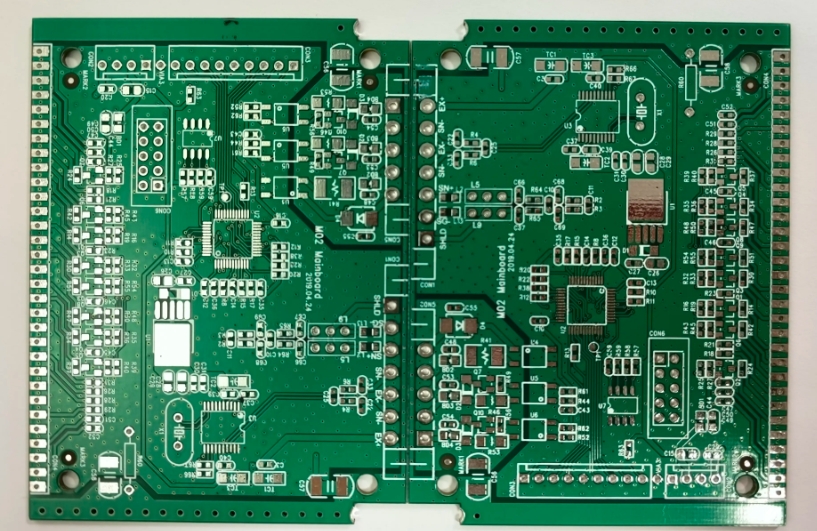
Automotive PCB assembly is the process of mounting and electrically connecting electronic components onto printed circuit boards designed for use in vehicles.
Unlike conventional consumer electronics, automotive electronic assemblies must operate reliably under challenging conditions, including temperature fluctuations, vibration, mechanical shock, humidity, electromagnetic interference, and long operating cycles.
Automotive PCBs can be found in a wide range of applications, including:
- Engine control units (ECUs)
- Battery management systems (BMS)
- Electric vehicle (EV) powertrain systems
- Advanced driver assistance systems (ADAS)
- Automotive lighting
- Instrument clusters and digital dashboards
- Infotainment systems
- Body control modules
- Vehicle networking and connectivity systems
- Sensors and radar systems
- Charging systems
- Thermal management systems
The assembly process may involve surface mount technology (SMT), through-hole technology (THT), reflow soldering, selective soldering, automated inspection, X-ray inspection, electrical testing, and functional validation.
For automotive applications, PCB assembly is not simply about placing components on a board. Every stage must be carefully controlled to ensure long-term reliability and consistent performance.
Why Automotive PCB Assembly Requires Higher Reliability
The rapid growth of electric and intelligent vehicles has dramatically increased the number and complexity of electronic systems installed in modern vehicles.
A vehicle may contain numerous electronic control modules, sensors, communication interfaces, power electronics, and embedded processors. As the number of electronic functions increases, the PCB assemblies supporting these systems must deliver reliable performance throughout the vehicle’s service life.
Automotive PCB assembly therefore needs to address several critical factors:
- High-temperature operation
- Thermal cycling
- Mechanical vibration and shock
- Humidity and contamination
- Electromagnetic compatibility (EMC)
- High current and power requirements
- High-density component placement
- Long-term solder joint reliability
- Strict quality control
- Traceability and process consistency
A failure in an automotive electronic module can affect vehicle functionality, safety, or reliability. As a result, automotive customers generally require much stricter manufacturing controls than those used for many consumer electronics applications.
Key Considerations in Automotive PCB Assembly
1. Material Selection
Material selection is one of the most important considerations in automotive PCB manufacturing and assembly.
Automotive electronic modules may be exposed to high temperatures, thermal cycling, mechanical stress, vibration, and chemical contamination. Conventional materials may not always provide sufficient reliability under these conditions.
Depending on the application, manufacturers may select:
- High-Tg FR-4 laminates
- High-temperature PCB materials
- Polyimide materials
- Metal-core PCBs
- High-frequency laminates
- Flexible PCB materials
- Rigid-flex PCB materials
- Halogen-free materials
The appropriate material depends on the electrical, mechanical, thermal, and environmental requirements of the application.
For example, power electronics and LED lighting applications may place greater emphasis on thermal conductivity, while radar and high-speed communication modules may require materials with controlled dielectric properties and low signal loss.
Kingda can work with customers during the engineering stage to evaluate PCB material selection according to application requirements, helping balance performance, manufacturability, reliability, and cost.
2. Compliance with Automotive Industry Standards
Automotive electronics require rigorous quality management and reliability verification.
Depending on the application and customer requirements, relevant standards and specifications may include:
- ISO 26262 — Functional safety for road vehicles
- IATF 16949 — Automotive quality management systems
- IPC standards for PCB manufacturing and assembly
- AEC-Q100 — Qualification requirements for automotive integrated circuits
- AEC-Q200 — Qualification requirements for automotive passive components
- IPC-6012 — Qualification and performance specification for rigid PCBs
- RoHS — Restriction of hazardous substances
It is important to distinguish between standards applying to the PCB itself, the electronic components, the manufacturing organization, and the overall vehicle safety system.
For an automotive PCB assembly supplier, quality management should therefore extend beyond final inspection. It should be integrated into material sourcing, component verification, process control, assembly, inspection, testing, traceability, and documentation.
3. SMT and THT Assembly Technologies
Modern automotive PCB assemblies frequently combine different component packages and assembly technologies.
Surface Mount Technology (SMT) is widely used for compact components and high-density circuit designs. Automated SMT lines can provide high placement accuracy and consistent production quality.
Through-Hole Technology (THT) remains important for components requiring stronger mechanical connections or higher mechanical robustness.
Depending on the product design, automotive PCB assembly may include:
- Solder paste printing
- SPI inspection
- High-speed SMT placement
- Reflow soldering
- THT assembly
- Wave soldering
- Selective soldering
- AOI inspection
- X-ray inspection
- Electrical testing
- Functional testing
The correct process combination depends on the PCB structure, component types, thermal requirements, production volume, and reliability targets.
4. Testing and Quality Assurance
Testing is a critical part of automotive PCB assembly because many defects cannot be identified through visual inspection alone.
A comprehensive automotive PCB quality-control process may include:
Automated Optical Inspection (AOI)
AOI uses automated imaging systems to identify defects such as:
- Component misalignment
- Missing components
- Incorrect components
- Solder bridges
- Insufficient solder
- Excess solder
- Polarity errors
X-Ray Inspection
X-ray inspection is particularly useful for detecting hidden solder defects underneath components such as BGAs, QFNs, and other packages with concealed solder joints.
It can help identify:
- Solder voids
- Open joints
- Insufficient solder
- Bridging
- Hidden structural defects
In-Circuit Testing (ICT)
ICT can be used to evaluate electrical connections, component values, and potential circuit faults.
Functional Testing
Functional testing evaluates whether the assembled PCB performs according to the intended electrical and operational specifications.
For automotive applications, combining several inspection and testing methods can significantly improve defect detection and production reliability.
Trends Driving Automotive PCB Assembly
1. Growth of Electric Vehicles
The transition toward electric vehicles (EVs) is one of the biggest drivers of automotive PCB demand.
EVs require sophisticated electronic systems for:
- Battery management
- Motor control
- Power conversion
- Charging
- Thermal management
- Energy monitoring
- Vehicle communication
High-voltage and high-power systems also create additional requirements for thermal management, insulation, creepage and clearance, current-carrying capacity, and electrical reliability.
This trend is creating opportunities for advanced PCB technologies, including high-current PCBs, metal-core PCBs, multilayer boards, HDI structures, and high-reliability PCB assemblies.
2. Miniaturization and Higher Integration
Automotive electronic modules must increasingly deliver more functionality within smaller physical spaces.
This creates demand for:
- High-density PCB layouts
- HDI technology
- Microvias
- Fine-pitch components
- Rigid-flex PCBs
- Advanced multilayer PCBs
- High-density SMT assembly
However, higher component density also creates challenges related to thermal dissipation, electromagnetic interference, signal integrity, and manufacturing yield.
Successful automotive PCB design therefore requires a balance between electrical performance, thermal management, mechanical reliability, and manufacturability.
3. Automation and Smart Manufacturing
Automated PCB assembly is becoming increasingly important for automotive applications.
Modern production environments can combine automated placement equipment, automated inspection, production data collection, process monitoring, and traceability systems.
Automation provides several advantages:
- Higher placement accuracy
- More consistent production
- Reduced human error
- Improved production efficiency
- Better process repeatability
- Enhanced traceability
- More efficient quality control
For automotive customers, consistent production across multiple batches is particularly important because product reliability must remain stable throughout the manufacturing lifecycle.
Types of PCBs Used in Automotive Applications
Different automotive applications require different PCB technologies.
Rigid PCBs
Rigid PCBs are widely used because of their mechanical stability and durability.
High-Tg FR-4 and other high-performance laminates can be selected for applications requiring improved thermal resistance.
Typical applications include:
- ECUs
- Body control modules
- Instrument clusters
- Infotainment systems
- Power management systems
Flexible PCBs
Flexible PCBs are ideal for applications where space is limited or where the circuit must bend or conform to a specific mechanical structure.
Flexible PCBs can reduce wiring, connectors, and assembly space.
Applications include:
- Automotive lighting
- Sensors
- Display systems
- Instrument panels
- Battery modules
Rigid-Flex PCBs
Rigid-flex PCBs combine rigid and flexible circuit sections into one integrated structure.
They can provide:
- Reduced connector count
- Better space utilization
- Three-dimensional routing
- Improved mechanical integration
- Reduced wiring complexity
These characteristics make rigid-flex technology attractive for compact automotive electronic modules.
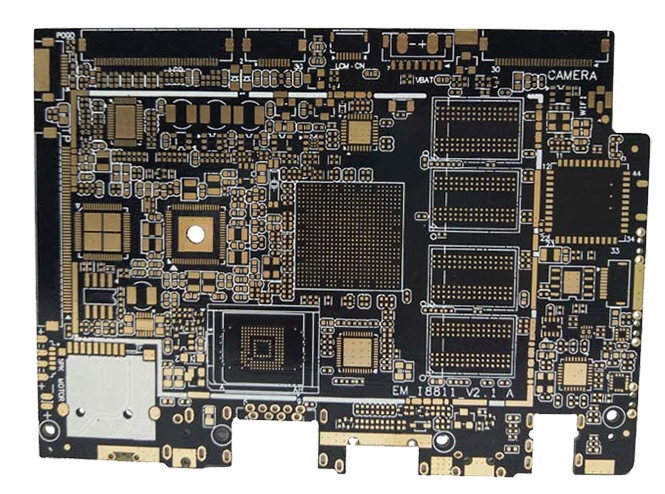
Metal-Core PCBs
Metal-core PCBs, particularly aluminum-based or other thermally conductive constructions, can improve heat dissipation.
They are especially useful for applications such as:
- Automotive LED lighting
- Power electronics
- Thermal management modules
- High-power electronic assemblies
High-Frequency PCBs
Modern vehicles increasingly use radar, wireless communication, high-speed networking, and other RF technologies.
These applications may require high-frequency PCB materials with controlled dielectric properties and low signal loss.
Proper PCB material selection, impedance control, stack-up design, and manufacturing tolerances become increasingly important as operating frequencies increase.
Major Challenges in Automotive PCB Assembly
Thermal Management
As automotive electronic systems become smaller and more powerful, heat generation becomes an increasingly important design consideration.
Manufacturers may use:
- Thermal vias
- Copper planes
- Heavy copper structures
- Metal-core substrates
- Heat sinks
- Thermal interface materials
- Optimized component placement
Thermal simulation and careful PCB layout can also help identify potential hot spots before production.
Mechanical Reliability
Automotive PCBs are exposed to continuous vibration and mechanical shock.
Poorly designed solder joints, unsupported components, or inappropriate PCB mounting structures can increase the risk of fatigue and failure.
Therefore, automotive PCB assembly should consider component mechanical strength, solder joint reliability, PCB mounting, and vibration resistance from the beginning of the design process.
Supply Chain Management
Automotive PCB manufacturing depends on stable access to components, laminates, solder materials, connectors, and other specialized materials.
Component shortages or unexpected changes in availability can affect production schedules.
Effective strategies include:
- Multiple qualified suppliers
- Approved component alternatives
- Strategic inventory management
- Early component sourcing
- BOM risk analysis
- Supplier quality management
Regulatory and Environmental Requirements
Automotive electronics must comply with applicable environmental and safety requirements in different markets.
Requirements may involve:
- RoHS compliance
- REACH requirements
- Lead-free manufacturing
- Material declarations
- Product traceability
- Customer-specific quality requirements
A reliable PCB assembly partner should be capable of maintaining appropriate documentation and supporting customers throughout the product lifecycle.
Why Choose Kingda for Automotive PCB Assembly?
For automotive electronics, choosing a PCB assembly partner is about more than production capacity. Engineering capability, quality control, component sourcing, process stability, and communication are equally important.
Kingda provides integrated PCB manufacturing and PCB assembly solutions, supporting customers from prototype development through production.
Engineering Support
Kingda can assist customers with DFM/DFA evaluation, PCB stack-up considerations, component selection, material selection, thermal management, and assembly process optimization.
Early engineering involvement can help identify potential manufacturing problems before they become expensive production issues.
Advanced PCB Manufacturing
Kingda supports a range of PCB technologies for different electronic applications, including multilayer PCBs, HDI PCBs, rigid-flex PCBs, flexible PCBs, high-frequency PCBs, and high-reliability PCB constructions, depending on project requirements.
PCB Assembly Capabilities
Kingda integrates PCB fabrication and assembly to help streamline the supply chain.
Its manufacturing workflow can support:
PCB fabrication → component sourcing → SMT assembly → THT assembly → reflow/selective soldering → AOI → X-ray inspection → electrical testing → final inspection
This integrated approach can reduce communication gaps between PCB fabrication and assembly processes.
Quality Control and Traceability
Automotive electronics require consistent quality from batch to batch.
Kingda emphasizes process control, inspection, testing, and traceability to help customers achieve stable manufacturing performance.
Flexible Production Support
Kingda can support different stages of product development, from PCB prototypes and small-batch PCB assembly to volume production, allowing customers to scale production as their products move from development to commercialization.
Conclusion
The increasing electrification, automation, and connectivity of modern vehicles are driving unprecedented demand for advanced automotive PCB assembly.
From EV powertrain systems and battery management to ADAS, sensors, infotainment, and vehicle connectivity, automotive PCBs must deliver reliable performance under demanding thermal, mechanical, electrical, and environmental conditions.
Successful automotive PCB production requires more than advanced assembly equipment. It requires appropriate material selection, robust PCB design, precise SMT and THT assembly, comprehensive inspection and testing, supply chain management, and strict quality control.
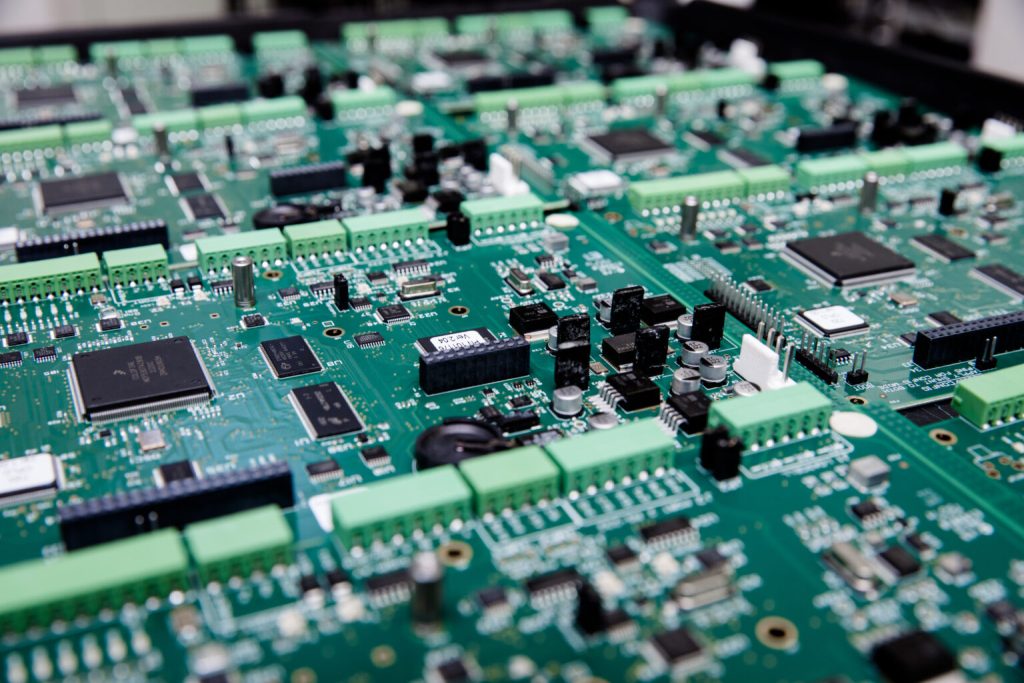
Kingda combines PCB manufacturing, component sourcing, PCB assembly, engineering support, inspection, and production management to provide an integrated solution for customers developing automotive electronic products.
As automotive electronics continue to evolve toward higher power density, smaller form factors, greater connectivity, and increased intelligence, choosing an experienced automotive PCB manufacturer and assembly partner can help reduce manufacturing risks and accelerate the transition from prototype to reliable mass production.