BGA Reballing Guide: Process, Equipment, IPC Standards and Cost
What BGA Reballing Is
BGA reballing is the professional rework process of removing a ball grid array chip from a board, stripping the old solder balls from its underside, attaching a fresh set of uniform balls and re-soldering the component back into place. BGA packages dominate CPUs, GPUs, FPGAs, DDR memory, power management chips and high speed communication devices because they offer far higher pin density, better heat dissipation and cleaner signal paths than legacy QFP packages. Their weakness is that every joint is hidden under the chip, so fatigue cracks, cold joints and solder voids develop invisibly over time. When the silicon itself is still healthy, BGA reballing restores the damaged connections at a fraction of the cost of replacing an expensive component, which is why it is the standard repair path for AI server boards, graphics cards, industrial motherboards, automotive ECUs, medical electronics, base stations, FPGA boards and notebook mainboards.
Symptoms That Point to BGA Joint Failure
Because the faults are electrical rather than visible, failing BGA joints show up as intermittent system behavior. Typical complaints include a board that will not power on, a black screen, random reboots, system freezes, memory that is not recognized, dropped network links, GPU display corruption and random alarms from industrial equipment. These symptoms appear after years of thermal cycling or after mechanical shock, and they often disappear temporarily when the board is re-flowed or pressed. When diagnostics confirm the component itself is functional and the board has no other damage, reballing the device removes the cracked or oxidized joints and returns the assembly to reliable operation.
Why BGA Solder Joints Fail
Joint failures have several root causes. Thermal cycling fatigue is the most common: every power cycle expands and contracts the solder, and after enough cycles micro-cracks grow through the joint, especially in AI servers, automotive electronics, industrial controls and outdoor communication equipment. Mechanical stress from board flexing during shipping, installation or drops cracks balls near the board corners. Assembly process defects such as an incorrect reflow profile, insufficient paste, flux contamination, part offset or oxidized pads create weak joints from the start. Lead-free SAC305 solder, used for environmental compliance, is more prone to fatigue cracking than older leaded alloys under repeated thermal stress. Finally, moisture-sensitive devices that were stored incorrectly can suffer popcorn damage inside the package when reflowed, which makes reballing pointless because the package itself is already broken.
The BGA Reballing Process Step by Step
A controlled reballing job follows a fixed sequence. First the technician confirms the fault with X-ray, AOI, microscopy, in-circuit testing or functional testing. Second, the chip is removed on an automated BGA rework station with precise top and bottom heating, controlled hot air flow, a tuned temperature profile and vacuum nozzle alignment so the board does not warp. Third, the PCB pads are cleaned with desoldering braid, flux and a temperature controlled iron until they are flat and free of residual solder. Fourth, the component is cleaned to strip its old balls and flux, and the pad array is flattened if needed. Fifth, new balls such as SAC305, Sn63/Pb37, SAC405 or specialty low temperature alloys are placed through the correct stencil so size and pitch are uniform. Sixth, the balls are fused with a controlled reflow profile covering ramp rate, soak time, peak temperature and cooling speed. Seventh, the chip is re-mounted with vision alignment and reflowed a second time. Finally the finished board is verified with X-ray, AOI, microscope inspection, electrical test and functional validation before it is released.
Equipment Used in Professional BGA Rework
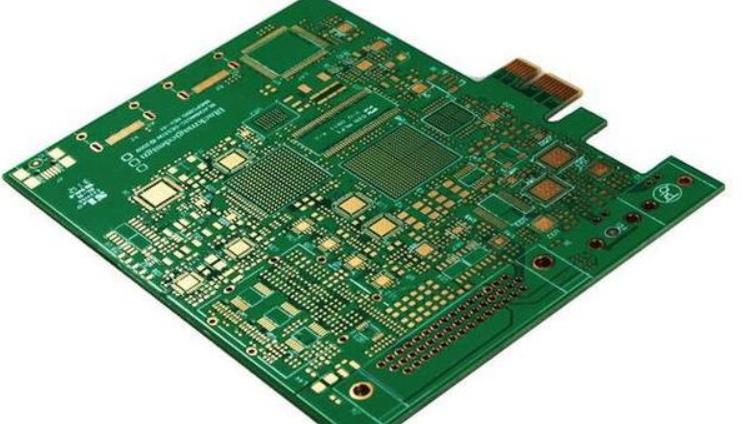
Reliable reballing depends on the same class of equipment found in a serious SMT line. Automated BGA rework stations, infrared rework systems and hot air rework tools provide controlled heating, while X-ray machines, AOI systems and high magnification microscopes inspect the hidden joints. Temperature profilers record the actual curve on every board, vacuum pick-up systems handle components safely and precision vision systems align the chip to its footprint. A library of BGA stencils matches the ball count, pitch and diameter of each device. Rework shops with this equipment achieve consistent ball placement, repeatable solder joints and high yield, while improvised work with a hand iron produces exactly the kind of defects that reballing is meant to cure.
IPC Standards for BGA Rework
Professional reballing follows the international standards used across electronics assembly. IPC-7711 and IPC-7721 define the procedures for rework and repair of electronic assemblies, IPC-A-610 sets the acceptance criteria for solder joint appearance and quality, IPC J-STD-001 governs soldering materials and process requirements, and IPC-7095 is the dedicated guide for BGA design, assembly and rework. Working to these documents keeps the process repeatable, gives the customer objective acceptance criteria and protects long term reliability, which matters when a repaired board goes back into a server, a vehicle or a medical device.
Common Defects and How to Avoid Them
Rework introduces its own defect categories if the process is not disciplined. Bridged balls, missing balls, voids, head-in-pillow, cold joints, shifted chips, lifted pads, board warpage and inconsistent ball size all appear in sloppy work. The best practices that prevent them are precise temperature profiles that avoid delamination and pad lifting, high quality flux that limits oxidation and improves wetting, fresh balls every time because reused solder is never as reliable, moisture baking for MSL components before reflow, X-ray verification of every hidden joint and a full functional test with burn-in after the repair. Following these rules brings reworked assemblies close to the reliability of original manufacturing.
BGA Reballing Cost
BGA reballing cost depends on package size, ball count and pitch, board complexity, solder type, inspection requirements and quantity. For sample repairs of one to five units, a small BGA with 100 to 300 balls typically costs $30 to $80 per chip, a medium device with 300 to 600 balls runs $80 to $180, and a large high density package above 600 balls costs $180 to $450 or more. Small batch rework of ten to one hundred units usually falls in the $20 to $120 per chip range, and volume programs above one hundred units use automated stations and dedicated tooling to reduce per-unit cost further. Compared with the price of the component, the lost production time and the risk of scrapping a whole board, reballing is inexpensive whenever the silicon and the PCB are worth saving.
Working With a Rework Partner
Reballing should be handled by a shop that combines PCB manufacturing, SMT assembly and repair experience, because the repair is only as good as the process around it. Ask whether the service includes X-ray and AOI inspection, which standards the shop works to, and whether functional testing is part of the deliverable. Provide the component datasheet, the original reflow recommendation and the failure history so the rework profile can be matched to the actual device. For boards that must keep working in harsh environments, review the reballing results together with your PCBA testing data and use the PCB design and layout files to confirm pad geometry before the work starts.
BGA Reballing FAQ
Q1: When is reballing better than replacing the chip? If the silicon is undamaged and only the solder joints are cracked or failed, reballing keeps the original component and costs far less than a replacement device.
Q2: How reliable is a reballed BGA? With professional equipment, correct profiles, fresh balls and IPC based inspection, reworked joints approach original manufacturing reliability and satisfy most industrial applications.
Q3: Can every BGA package be reballed? Most packages can be reworked, but chips with internal damage, severe package deformation or damaged pads need an engineering review before the repair is attempted.
Q4: Why is X-ray required after reballing? BGA joints sit under the component where they cannot be seen, so X-ray is the only practical way to detect voids, bridges and missing balls.
Q5: How long does BGA reballing take? Sample repairs are usually completed in one to three working days, while batch programs depend on complexity, inspection levels and the production schedule.
Conclusion
BGA reballing is a precision rework technology that saves valuable electronics when solder joints fail but the silicon survives. It demands a controlled sequence of removal, cleaning, fresh ball placement, reflow and X-ray verification, supported by the equipment and standards of a professional SMT environment. Applied correctly, reballing restores AI servers, automotive controllers, industrial boards, base stations and medical equipment to dependable service at a small fraction of replacement cost. Choose a partner whose PCB capabilities include documented rework, inspection and testing, and the repaired board becomes a reliable asset instead of a recurring failure.