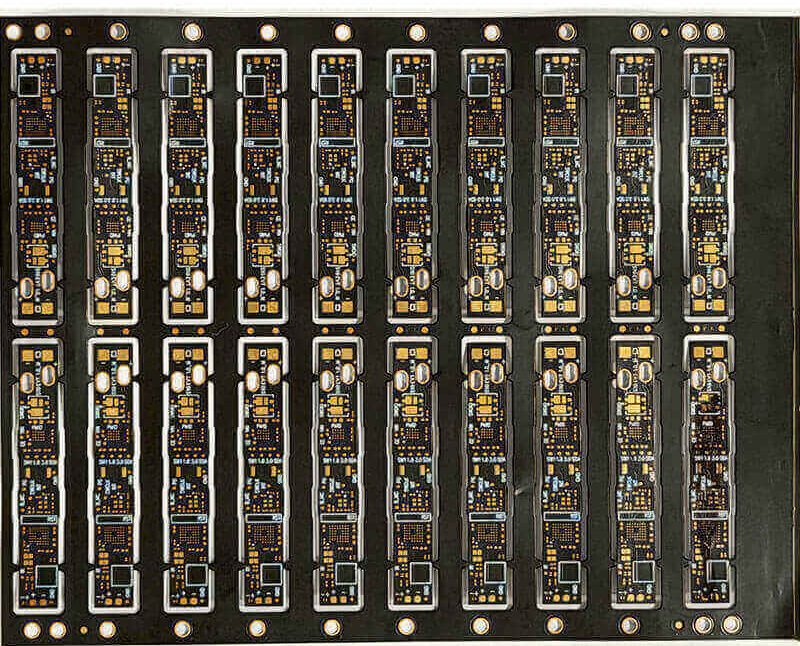
Castellated PCB: Half Holes for Module Assembly Castellated holes are half holes cut through the edge of a board so that the module can be soldered flat onto a carrier like any other surface mount component. They are the reason a small power module or a radio module can be…
PCB Boundary Scan Chain: Testing Through the Part Modern electronics depend on boards that are assembled correctly the first time. Every product – a phone, a charger, a medical instrument or an industrial controller – relies on thousands of solder joints that must conduct current for years. This article explains…
PCB Silkscreen Design: Text Size and Printing Methods The silkscreen is the part of a PCB that people actually read. It carries reference designators, polarity marks, pin-one indicators, connector labels, and revision information, printed directly onto the solder mask. A clean PCB silkscreen shortens assembly time, reduces rework, and makes…
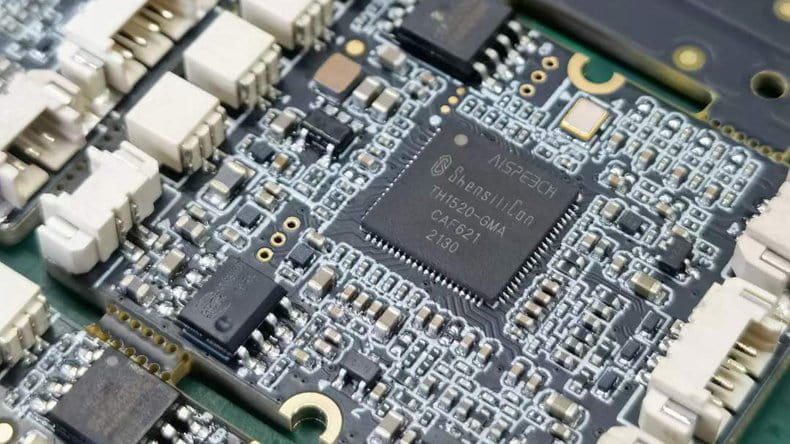
Robot Vision System PCB: Design and Function Guide Machine vision looks simple from the outside: a camera sees a part, software decides what it is, the robot moves. Inside the camera and on the board behind it, a large amount of data moves very quickly, and the design decisions that…
PCB Drilling: Hole Types, Tolerances, and Cost Drivers Every plated hole in a circuit board begins as a drilled hole. PCB drilling is the step that turns a laminated panel into something that can carry a signal from layer to layer, and the quality of those holes decides whether plating…
Industrial Robot PCB: Design for Motion Control An industrial robot controller is a board that has to survive its own electrical environment. Motor drives switch hundreds of volts in microseconds, the sensors are wired over cables that run the length of a factory floor, and the installation is fed from…
PCB Flying Probe Programming: Testing Without a Fixture Modern electronics depend on boards that are assembled correctly the first time. Every product – a phone, a charger, a medical instrument or an industrial controller – relies on thousands of solder joints that must conduct current for years. This article explains…
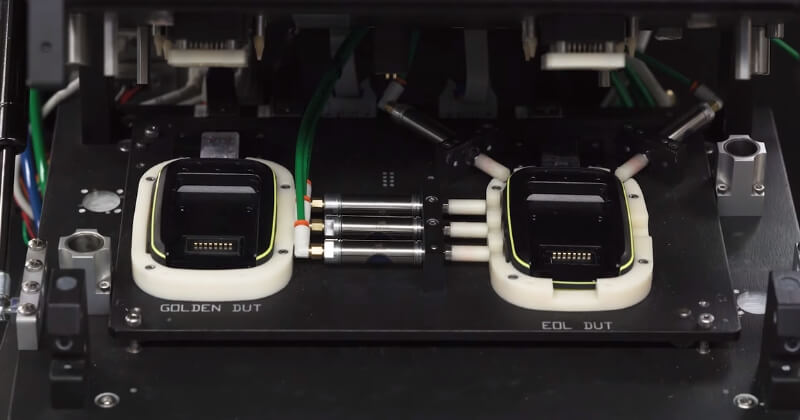
PCB Test Point Placement: Leaving a Place to Touch Buyers and engineers often focus on the finished product and forget the production line behind it. In practice, most field failures can be traced back to process decisions made during assembly. Understanding PCB test point placement gives you a practical advantage…
Medical Electronics PCB: Reliability and Compliance Demands A medical electronics PCB sits in a product where failure has consequences beyond inconvenience. A monitor that stops reporting, an infusion pump that dispenses the wrong volume or a diagnostic instrument that drifts out of calibration can injure a patient. That is why…
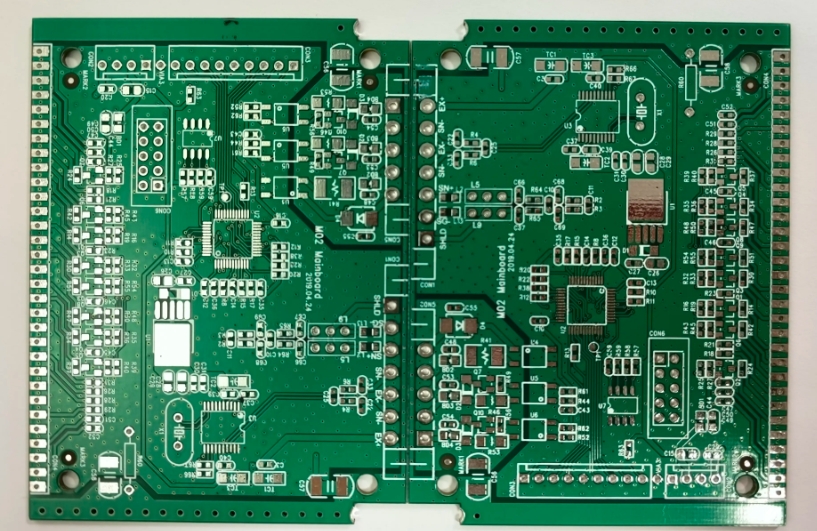
PCB Depaneling Stress: Cutting Without Bending Modern electronics depend on boards that are assembled correctly the first time. Every product – a phone, a charger, a medical instrument or an industrial controller – relies on thousands of solder joints that must conduct current for years. This article explains PCB depaneling…