Quick Turn PCB Prototyping: What Makes It Possible Quick turn fabrication is a scheduling service as much as a manufacturing one. The chemistry and the press cycles are unchanged, so the improvement comes from how the job is moved through the shop rather than from how fast the machines run.…
PCB Solder Mask: Purpose and Design Rules Solder mask is the coloured coating on a finished board, and its appearance is the least important thing about it. The mask controls where solder can go, protects the copper from the environment and defines a set of spacing rules that a design…
Designing a Heavy Copper PCB With 4 oz Copper Heavy copper boards exist because current has to go somewhere. When a design has to carry tens of amperes, the trace widths required on one-ounce copper become impractical: a 20 A trace at a 10 degree rise would be wider than…
PCB Minimum Order Quantity: Why It Exists and How to Work With It When a design is ready to be built, the first commercial question is usually how few boards can be ordered. The minimum order quantity is the smallest number a fabricator will accept for a single order, and…
PCB to Flex Circuit Connection: Five Techniques Compared Connecting a rigid PCB to a flex circuit is one of the few places in electronics where the mechanical design and the electrical design are equally difficult. The joint must carry signals and power, survive bending and vibration, and remain manufacturable at…
PCB Assembly Cost: What Drives the Quote The question every project manager asks before a build is simple, and the answer is not. PCB assembly cost is the sum of the design, the parts, the process, the quantity, and the services attached to the order, and each of those has…
HDI PCB Advantages for Compact Electronics Miniaturization is the force behind most HDI decisions. When a product has to shrink while carrying more function, the board runs out of room for routing long before it runs out of room for components, and the escape from a fine-pitch package becomes the…
High-Temperature PCB: Materials and Design Considerations A high-temperature PCB is defined by its operating range rather than by its appearance. Standard boards are rated for roughly minus 40 to plus 85 degrees Celsius. Boards intended for engine compartments, downhole instruments, industrial ovens or power conversion equipment must keep working from…
PCBA Prototyping: How a Quick-Turn Service Works Step by Step PCBA prototyping compresses the normal board and assembly flow into days rather than weeks, but it does not skip steps. Understanding the sequence helps a design team prepare the right data, avoid the delays that come from incomplete files, and…
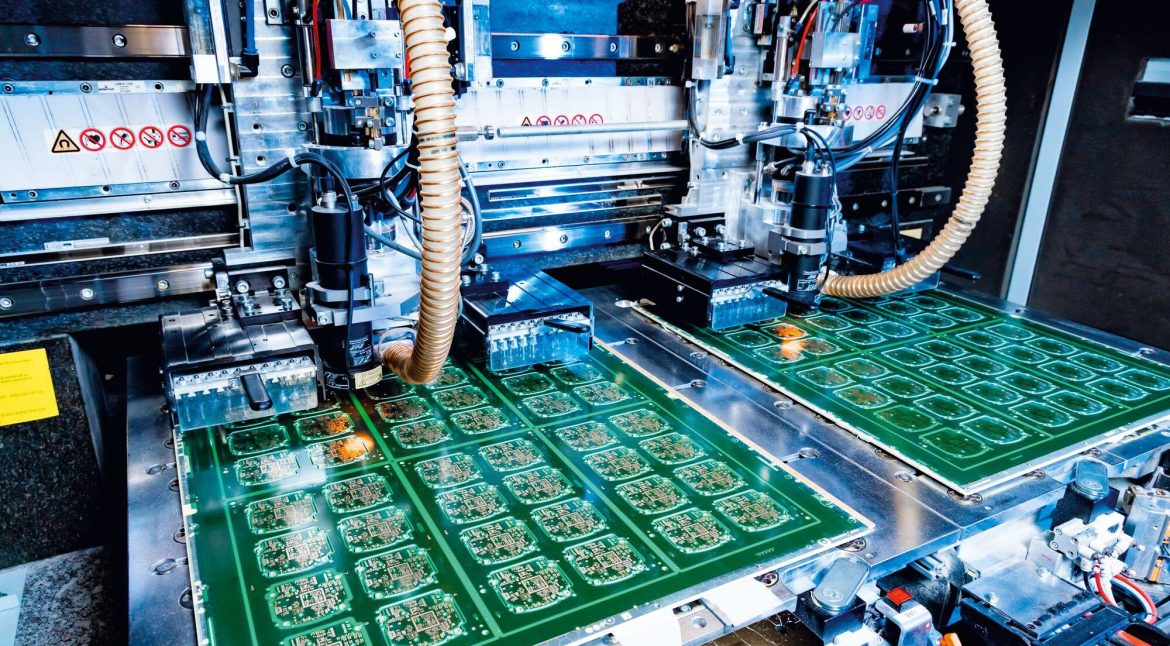
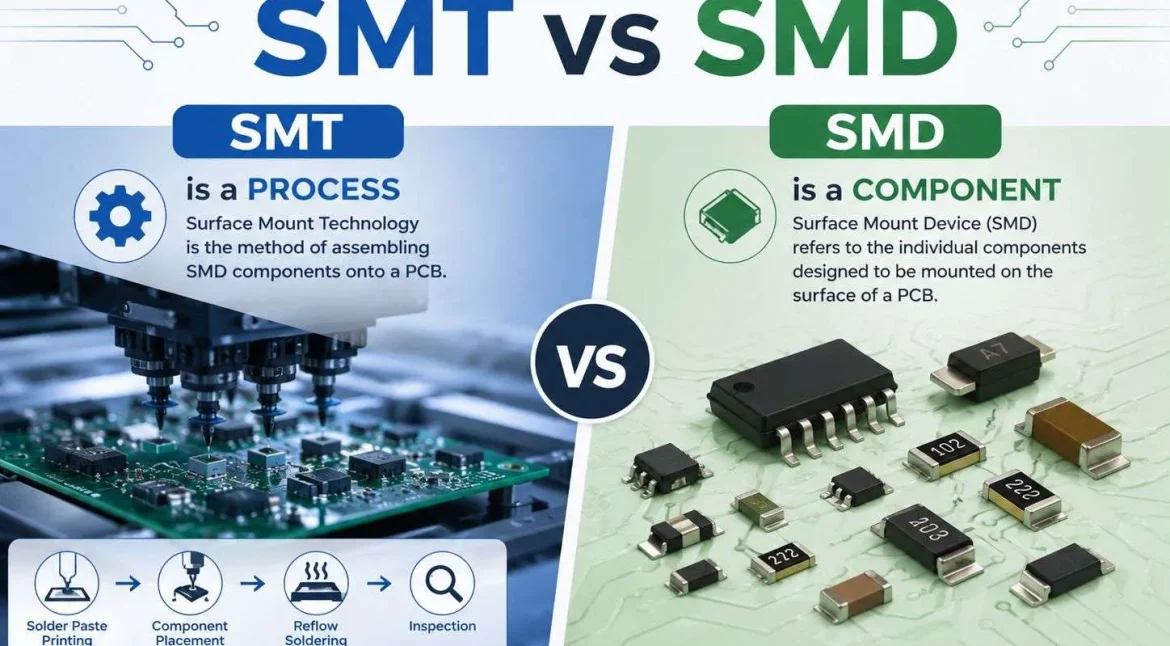
High-Precision SMT Assembly: Techniques Behind Tight Tolerance High-precision SMT assembly is measured in tens of microns and in defects per million joints. It is not a different process from ordinary surface-mount work; it is the same process with every variable pushed closer to its limit and measured far more often.…