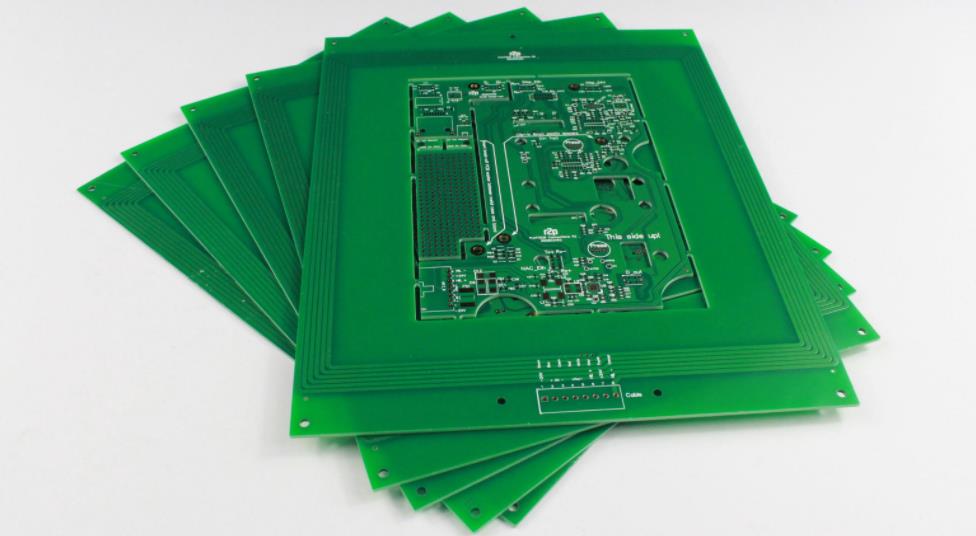
Design for Manufacturability: How DFM Reduces PCB Cost Most cost reduction in electronics happens before a purchase order exists. By the time a design reaches the fabricator, the panel size, layer count, drill schedule and tolerance stack are already fixed, and the only remaining lever is negotiation. Design for manufacturability…
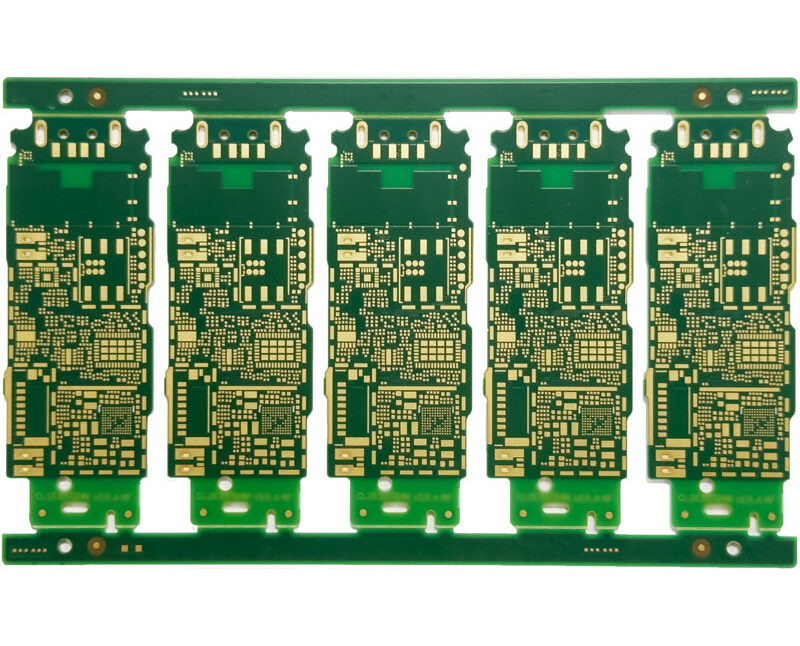
High-Speed PCB Design Cost Drivers: Where Budget Goes Two boards can carry the same circuit, and in high-speed PCB design the difference and differ in cost by a factor of five, and the difference is rarely the component count. High-speed designs cost more because they demand tighter control at every…
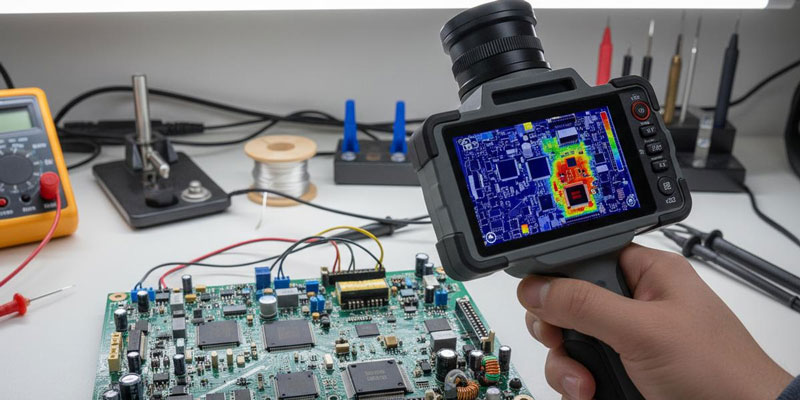
PCB Testing and Inspection Methods Explained Every board that leaves a fabrication line has been inspected many times, and every board that leaves an assembly line has been tested in ways that are invisible to the customer. The combination of inspection and pcb testing is what turns a manufacturing process…
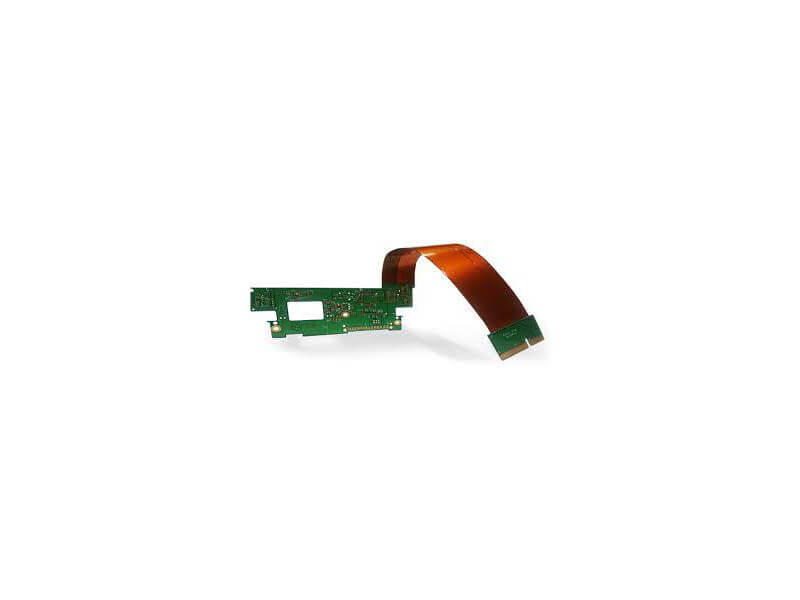
Flexible PCB vs Rigid PCB: How to Choose The choice between a flexible PCB and a rigid board is usually decided by the mechanical envelope rather than by electrical performance. If the electronics have to fold into a space that a flat board cannot reach, or bend during assembly, then…
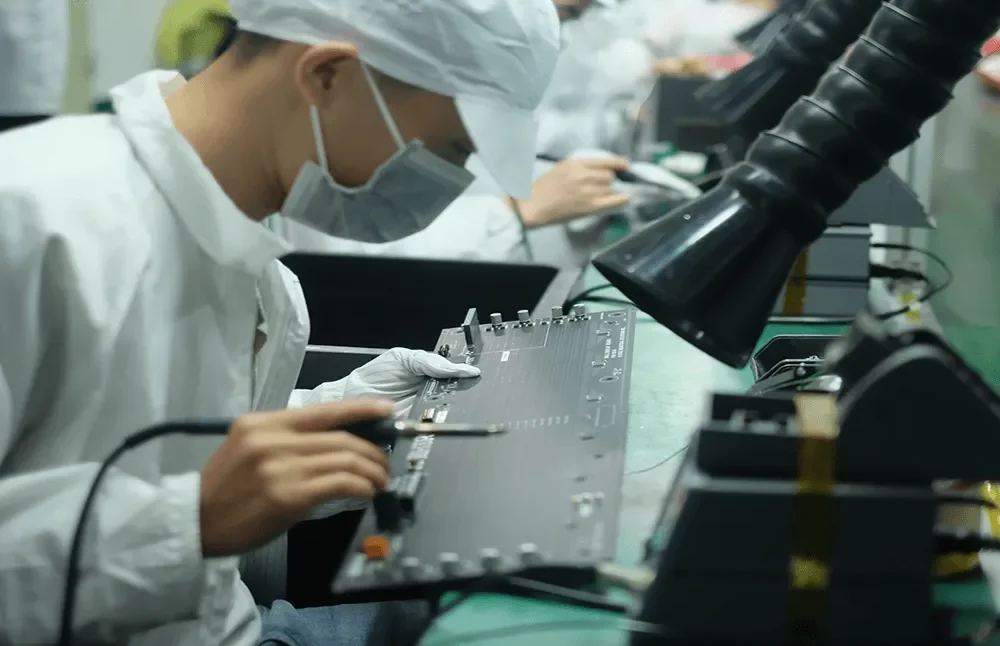
Tools for Manual PCB Assembly: The Ten That Matter Manual assembly never disappeared; it moved. Prototypes, engineering changes, repairs, and small production runs are still built by hand, and the quality of that work depends heavily on the bench rather than on the operator. A defined tool set turns manual…
When FR-4 Is Not Enough: Choosing a Low-Loss Laminate FR-4 is the default laminate for a reason. It is inexpensive, available in a wide range of thicknesses and copper weights, well characterised, and it behaves predictably in assembly. For the majority of digital boards it is the correct choice, and…
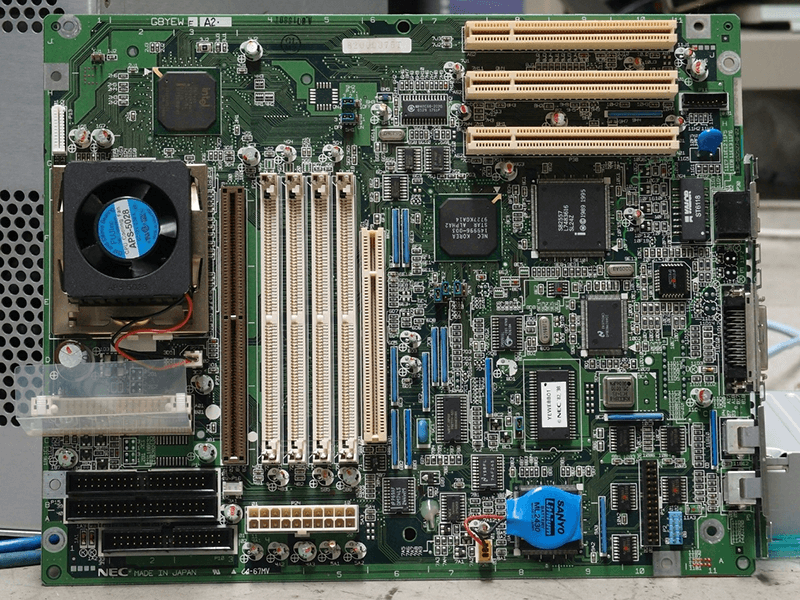
PCB vs PWB: What the Two Terms Really Mean The two abbreviations appear side by side in standards, quotations and datasheets, and they are often used as if they were interchangeable. They are not quite the same, and the difference is worth understanding because it explains why older drawings use…
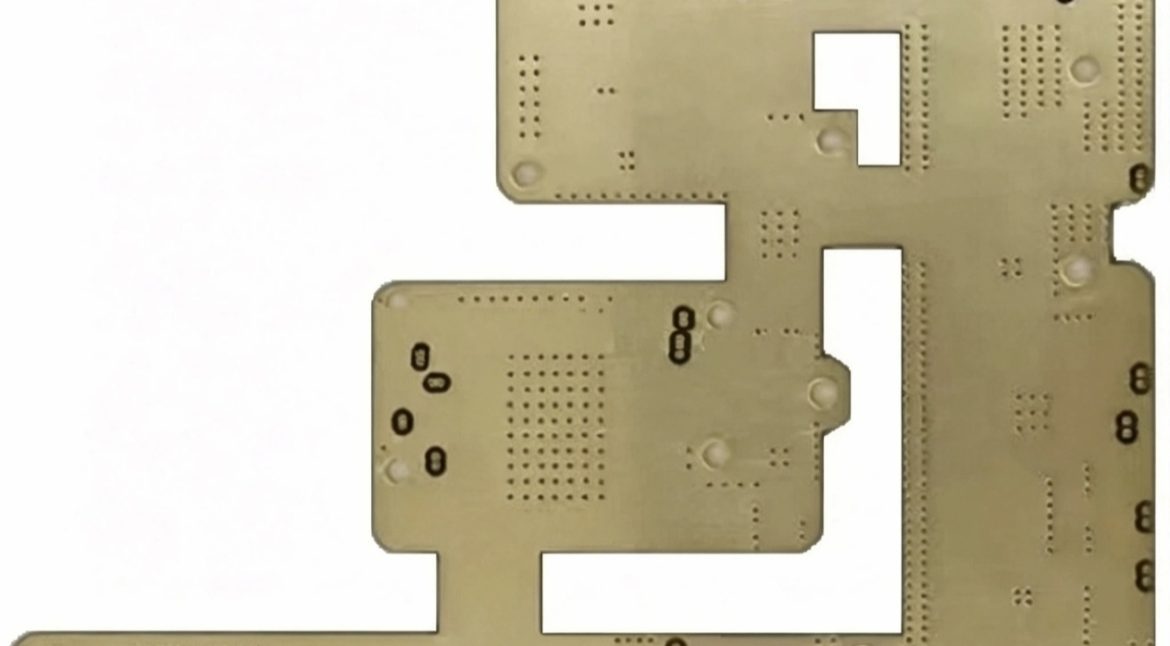
Ultra-Thin PCB Design: Optimizing a 0.15 mm Board A 0.15 mm board is thinner than a sheet of card stock and roughly one third the thickness of a conventional four-layer stackup. That single change ripples through every decision that follows, from which base material can survive the process to how…
Gerber Files in PCB Manufacturing: Layers, Formats and Checks Between the design file and the finished board sits a translation step that most engineers treat as a formality. It is not. A Gerber file set is the only description of the board that the fabricator will actually use, and every…
Five Factors That Shape a PCB Manufacturing Order Two boards with identical schematics can differ threefold in price, and the reason is never the circuit. The variables that decide what a PCB manufacturing order costs and how long it takes are settled long before the order is placed, during design…