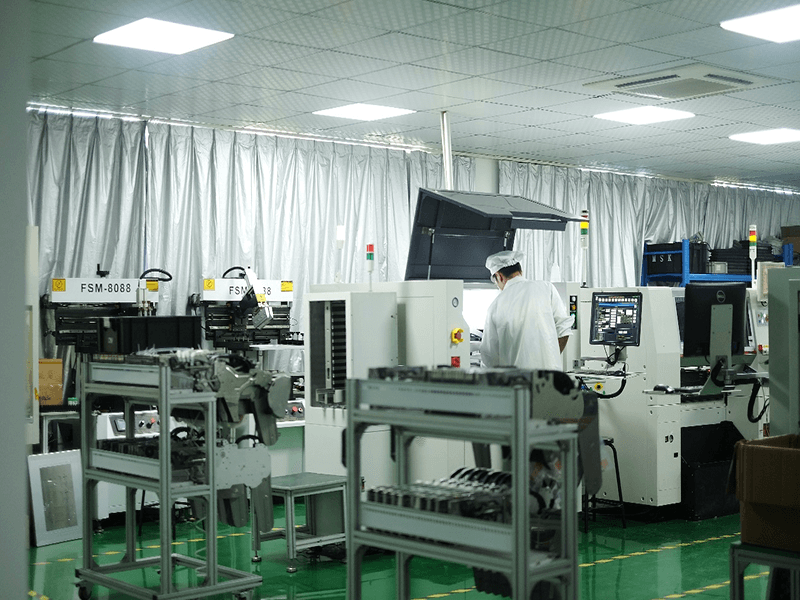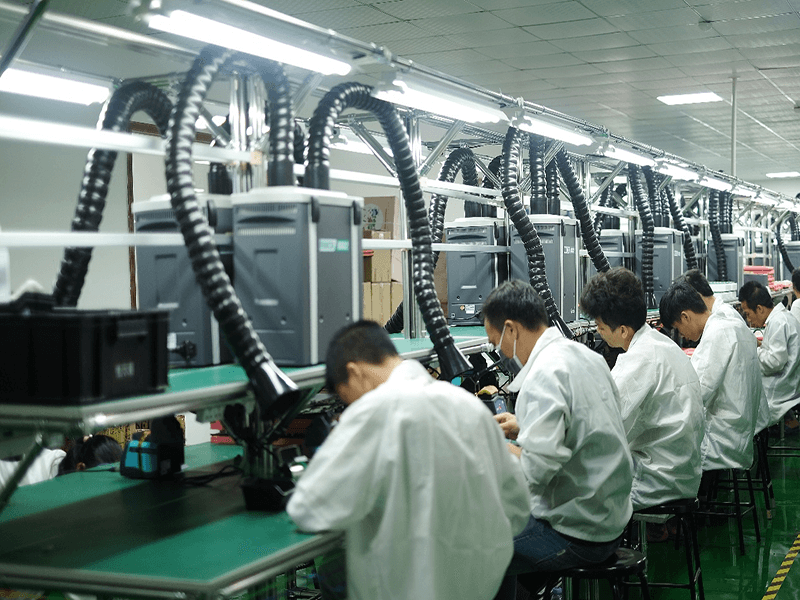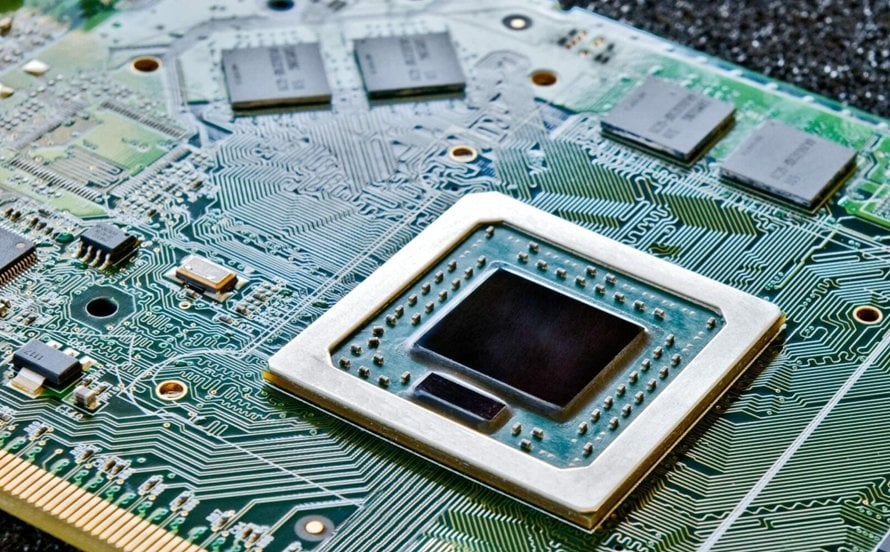
PCB Process Capability Study: Can the Process Do It Buyers and engineers often focus on the finished product and forget the production line behind it. In practice, most field failures can be traced back to process decisions made during assembly. Understanding PCB process capability study gives you a practical advantage…
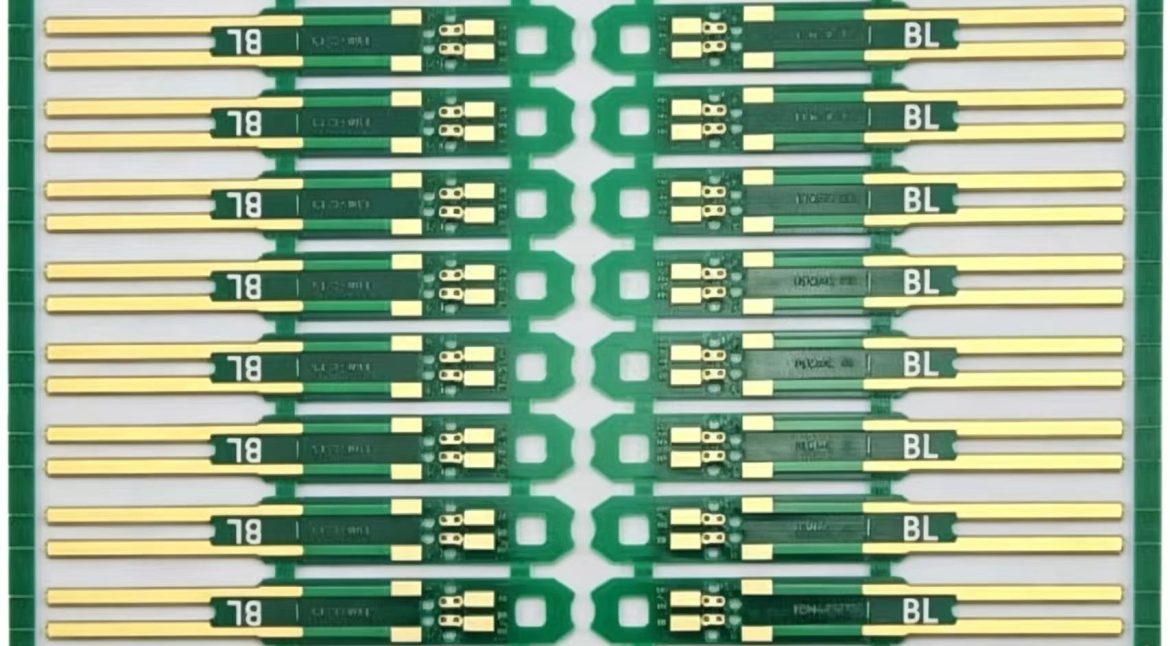
Control Board Layout: Placement and Decoupling Rules A control board carries the processor, its memory, the interfaces and the power conversion, and its layout determines whether the product is reliable or merely functional. The rules below are the ones that matter most on this class of board, where a microcontroller…
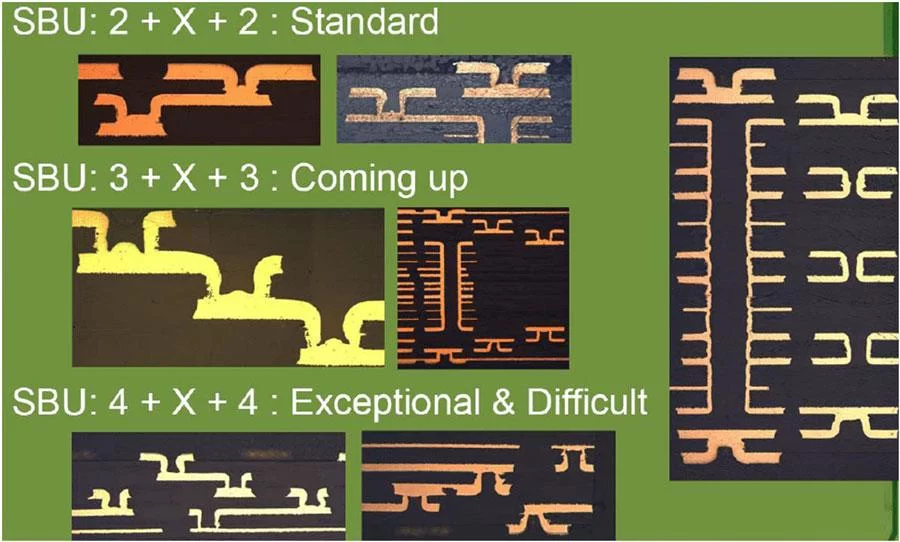
Via Drilling in Prototype Boards: Through, Blind and Buried Drilling is one of the largest single cost elements in a prototype order, and the type of hole chosen determines not only the price but the number of lamination cycles the panel has to survive. Understanding the three via types and…
High Speed Routing Questions: Vias, Decoupling and Planes The same questions come up on almost every high-speed layout, and the answers are more consistent than the variety of the questions suggests. What follows is a set of the recurring ones, with the reasoning behind each answer rather than a rule…
PCB Prototype Manufacturing: From Design Data to Tested Board A prototype board exists to answer a question before the answer costs a production run. It allows the design to be tested, the errors to be found and corrected, and the assumptions in the schematic to be checked against physical reality.…
Substrate Quality Problems in PCB Laminate Production Dimension changes on a finished board usually begin long before the finished board exists. They start in the substrate, in the way it was cut, stored, pressed and handled, and they appear later as misregistration, warpage or a stackup that does not match…
Manufacturing Considerations for Large PCB Formats Boards grow for good reasons: a system that used to be split across several assemblies becomes one board, or a product needs a larger panel for a higher throughput of units. Both trends lead to formats that fall outside the range a shop handles…
Designing Hardware Boards Around a Mobile Applications Processor A mobile applications processor is a system on a chip with everything dense about board design in one package. It has multiple power domains that must come up in a defined order, high speed interfaces that behave like transmission lines, a memory…
High Speed Routing Requirements for PCB Layout High speed routing is not a separate technique from ordinary routing. It is the same activity with additional constraints that become significant once the rise time of the signal is short enough that the trace behaves as a transmission line rather than as…
PCB Routing Techniques That Improve Manufacturability A layout can be electrically correct and still be difficult to build. Manufacturability problems do not show up in a simulation, and they do not show up on the bench prototype, because the prototype was made with extra care. They show up in production,…