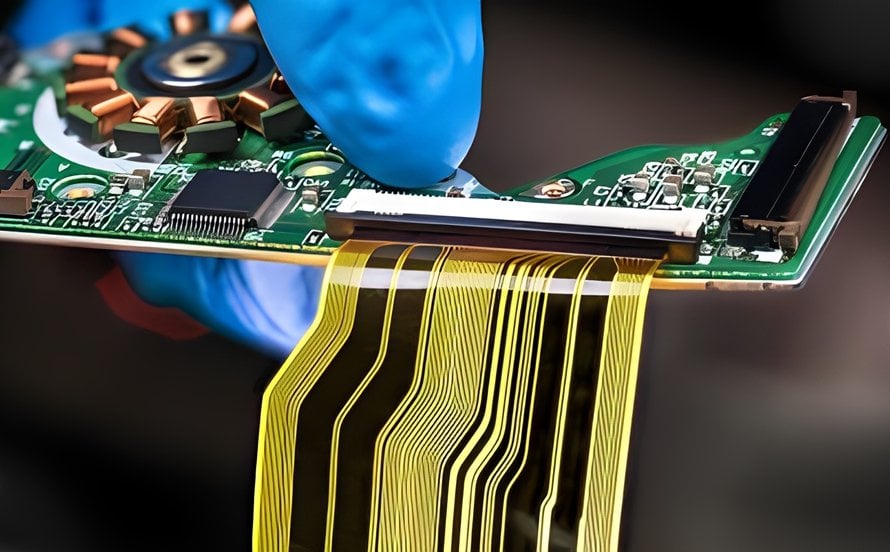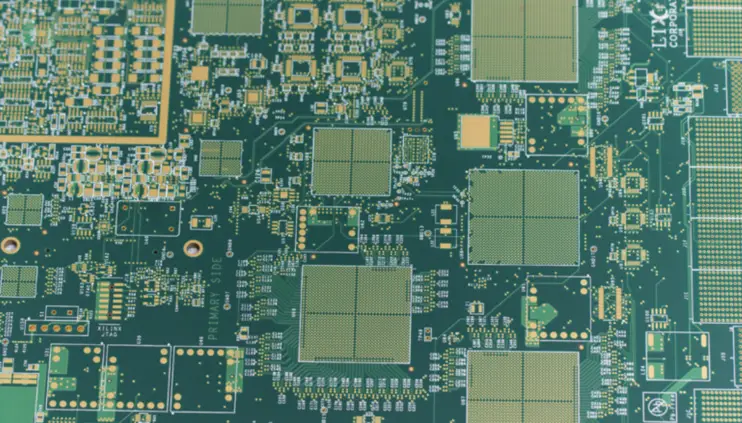
EMC Design Techniques for PCB Layout Electromagnetic compatibility is usually treated as a test that happens at the end, when the board is finished and the enclosure is closed. By then most of the outcome has already been decided, because emissions and immunity are properties of the layout, and the…
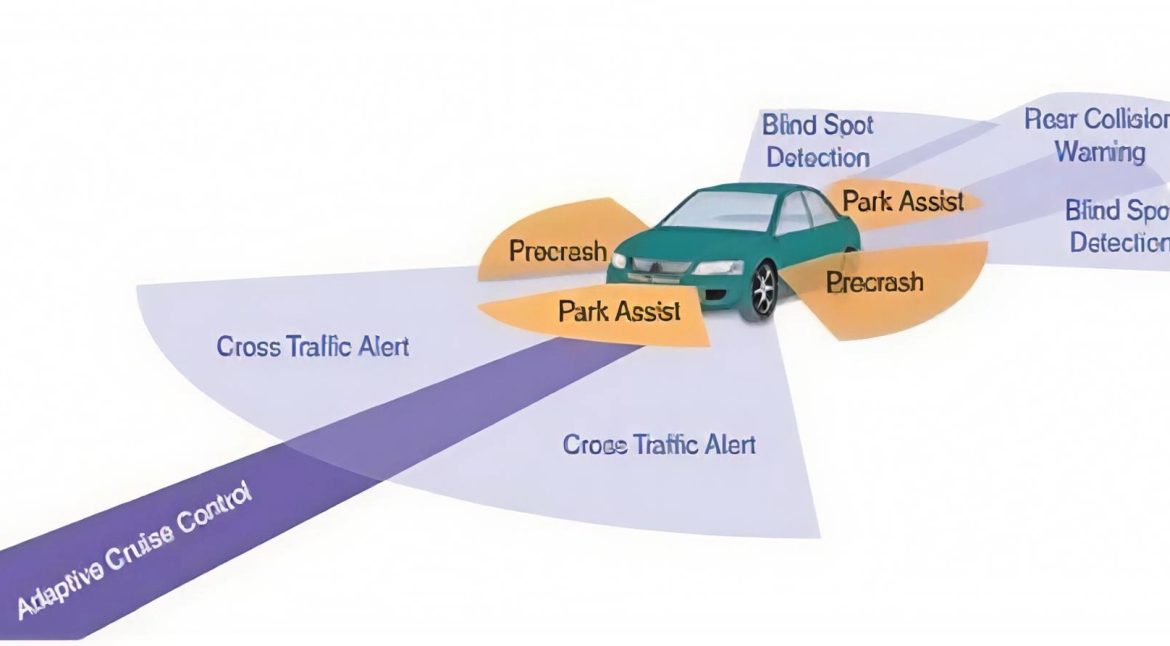
Common PCB Design Mistakes and How to Avoid Them The electronics industry moves quickly, and the pressure to release a board early is one of the reasons design errors survive into production. Most of the common PCB design mistakes described here are not subtle. They are the ones that look…
Perfboard Soldering: Tools, Five Steps and Good Joints Perfboard, also called dot matrix board or protoboard, is a sheet covered with pads on a standard 2.54 mm pitch that lets a circuit be assembled by inserting components and wiring them point to point. Compared with ordering a fabricated board, it…
PCB Buried Resistor Process: Resistors Inside the Board Modern electronics depend on boards that are assembled correctly the first time. Every product – a phone, a charger, a medical instrument or an industrial controller – relies on thousands of solder joints that must conduct current for years. This article explains…
PCB Cavity in Multilayer Board: Making Room for the Part Electronics manufacturing has become a discipline of small details. Solder paste volumes, placement accuracy, temperature profiles and inspection limits all add up to the final result. This guide looks at PCB cavity in multilayer board from the perspective of a…
PCB Embedded Capacitance Material: Power and Ground Close Together Modern electronics depend on boards that are assembled correctly the first time. Every product – a phone, a charger, a medical instrument or an industrial controller – relies on thousands of solder joints that must conduct current for years. This article…
High Current Path Planning on a PCB: Routing Strategy When a board has to deliver tens of amperes, the usual assumption that a trace is just a connection stops being adequate. A high current path has resistance, it produces heat, and the heat changes the resistance, so the design has…
FR-4 Material in PCB Construction and Its Applications Almost every rigid board in production is built on the same family of material, and understanding what that material is explains a great deal about the limits of the board: why it is stiff, why it is dimensionally stable in one direction…
PCB Metal Core Board Insulation: The Layer That Must Not Leak Electronics manufacturing has become a discipline of small details. Solder paste volumes, placement accuracy, temperature profiles and inspection limits all add up to the final result. This guide looks at PCB metal core board insulation from the perspective of…
PCB Copper Coin Insertion: A Slug of Metal in the Board Modern electronics depend on boards that are assembled correctly the first time. Every product – a phone, a charger, a medical instrument or an industrial controller – relies on thousands of solder joints that must conduct current for years.…