Power Plane Inset and the 20H Rule Open a well-designed multilayer board and the power plane is often slightly smaller than the plane above or below it. The difference is deliberate. It exists because the field between a plane pair is not entirely contained inside the board: at the cut…
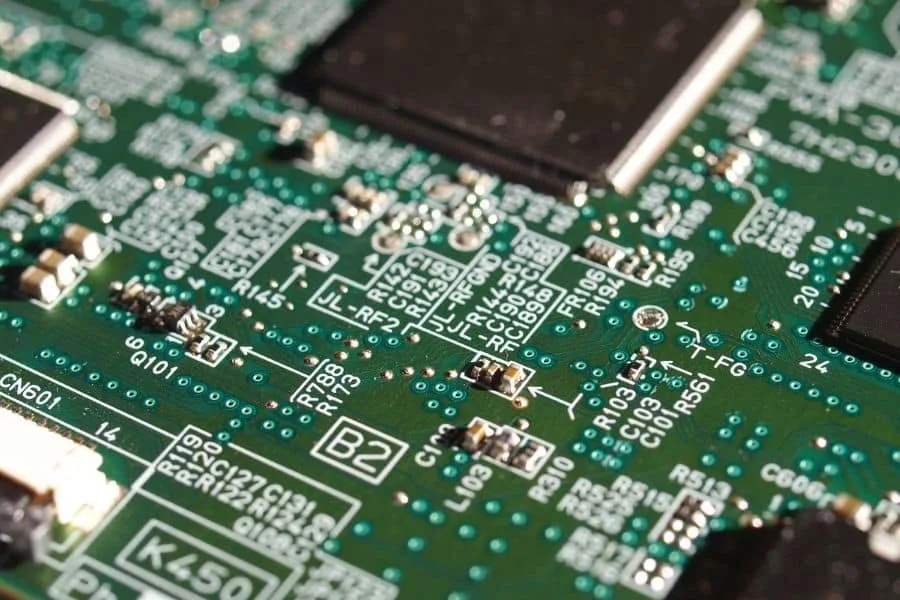
PCB Stencil Aperture Cleaning Method: Clearing the Apertures Buyers and engineers often focus on the finished product and forget the production line behind it. In practice, most field failures can be traced back to process decisions made during assembly. Understanding PCB stencil aperture cleaning method gives you a practical advantage…
PCB Solder Paste Shelf Life Control: Using It In Time Buyers and engineers often focus on the finished product and forget the production line behind it. In practice, most field failures can be traced back to process decisions made during assembly. Understanding PCB solder paste shelf life control gives you…
PCB Floor Life Tracking: Counting the Hours Electronics manufacturing has become a discipline of small details. Solder paste volumes, placement accuracy, temperature profiles and inspection limits all add up to the final result. This guide looks at PCB floor life tracking from the perspective of a PCBA factory floor, covering…
PCB Dry Pack and Desiccant Choice: Packing for the Journey Electronics manufacturing has become a discipline of small details. Solder paste volumes, placement accuracy, temperature profiles and inspection limits all add up to the final result. This guide looks at PCB dry pack and desiccant choice from the perspective of…
Black Hole Process and Electroless Copper Compared A drilled hole is not yet a connection. The wall of the hole is laminate, and laminate does not conduct, so before any copper can be electroplated onto it the surface has to be made conductive by some means. Two families of process…
PCB Moisture Sensitivity Level Handling: Baking Before Reflow Modern electronics depend on boards that are assembled correctly the first time. Every product – a phone, a charger, a medical instrument or an industrial controller – relies on thousands of solder joints that must conduct current for years. This article explains…
PCB Ionizer Use on the Line: Neutralising the Charge Modern electronics depend on boards that are assembled correctly the first time. Every product – a phone, a charger, a medical instrument or an industrial controller – relies on thousands of solder joints that must conduct current for years. This article…
PCB ESD Control in the Assembly Area: Keeping Static Away Electronics manufacturing has become a discipline of small details. Solder paste volumes, placement accuracy, temperature profiles and inspection limits all add up to the final result. This guide looks at PCB ESD control in the assembly area from the perspective…
Via Design Rules: Sizes, Spacing and Fanout Vias are the cheapest way to add a layer’s worth of routing, and they are also one of the largest single contributors to the cost of a board: the drilling and plating operations behind them account for a large share of what a…