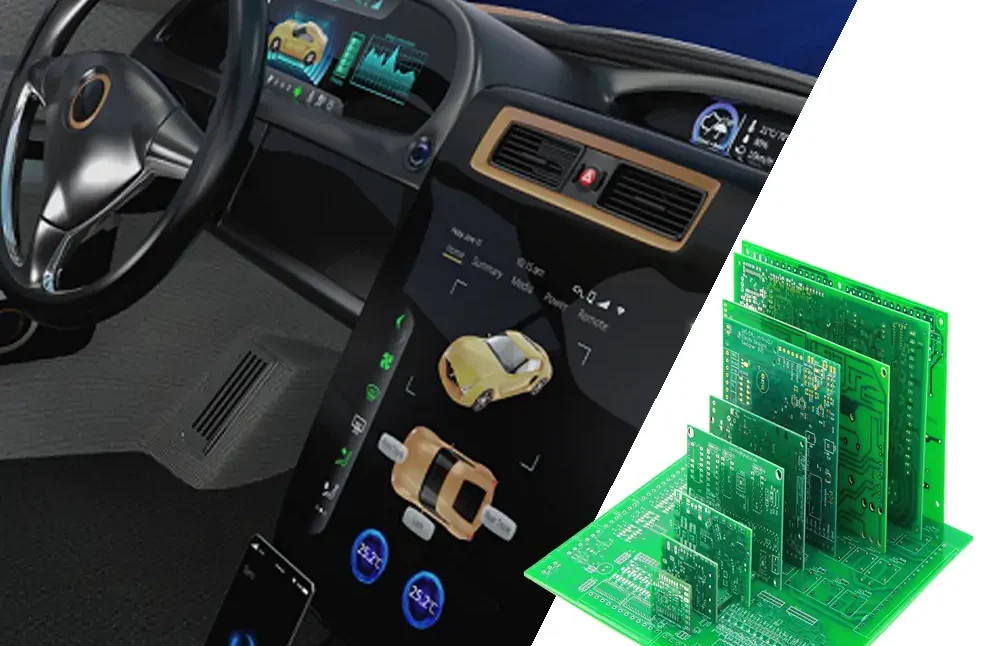
PCB Cargo Damage Claims: When Goods Arrive Damaged Modern electronics depend on boards that are assembled correctly the first time. Every product – a phone, a charger, a medical instrument or an industrial controller – relies on thousands of solder joints that must conduct current for years. This article explains…
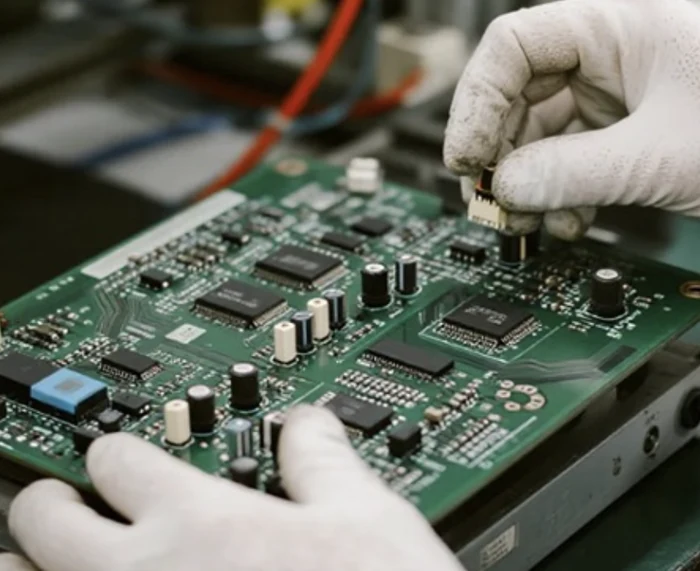
Reflow Quality: The Stage That Decides PCBA Stability Placement puts the device in the right position; it does not connect it. The connection is formed in the oven, where the paste melts, wets the pad and the termination, and solidifies into a joint. Everything that happens in the oven is…
Stencil and Solder Paste Printing: Where Joint Quality Starts Attention tends to fall on the placement machine, which is visible, expensive and easy to compare on paper. The stage that decides whether the joints can form at all happens earlier and attracts less interest: the printing of solder paste through…
PCB Customs Documentation: What Travels With the Goods Buyers and engineers often focus on the finished product and forget the production line behind it. In practice, most field failures can be traced back to process decisions made during assembly. Understanding PCB customs documentation gives you a practical advantage when you…
Fast Turnaround on Small-Batch SMT: Preparation Before Speed A fast order and a rushed order are not the same thing, and the difference shows up in the same place every time: the preparation that happened before the first board was placed. When a revision has just been changed, a sample…
Programming File and Functional Test Data for PCBA An assembled board is not a finished product. For most controllers, instruments, power supplies and connected devices, the hardware becomes usable only after a programme has been loaded into it and its functions have been verified. Both of those stages depend on…
PCB Shipping Method Selection: Air, Sea or Road Electronics manufacturing has become a discipline of small details. Solder paste volumes, placement accuracy, temperature profiles and inspection limits all add up to the final result. This guide looks at PCB shipping method selection from the perspective of a PCBA factory floor,…
DIP Insertion and Post-Solder Recheck on PCBA Surface mount assembly tends to dominate the discussion, and yet a great many industrial boards are not purely surface mount. Terminals, connectors, electrolytic capacitors, relays, fuses, transformers and pin headers are still inserted through the board and soldered, and those joints carry functions…
BGA and QFN Assembly: Controlling Joints You Cannot See Most of a board is inspectable. A resistor or a fine-pitch lead can be examined from the side, and a joint that has not formed correctly is usually visible to an operator or to an inspection system. Packages with terminations underneath…
PCB Packaging Specification for Parts: How Parts Must Arrive Buyers and engineers often focus on the finished product and forget the production line behind it. In practice, most field failures can be traced back to process decisions made during assembly. Understanding PCB packaging specification for parts gives you a practical…