Incoming Inspection and Material Substitution Before SMT Quotations are usually compared on the board data, the placement count, the price and the date, and it is the material that most often decides whether the date is met. A bill of materials that has not been checked against what is physically…
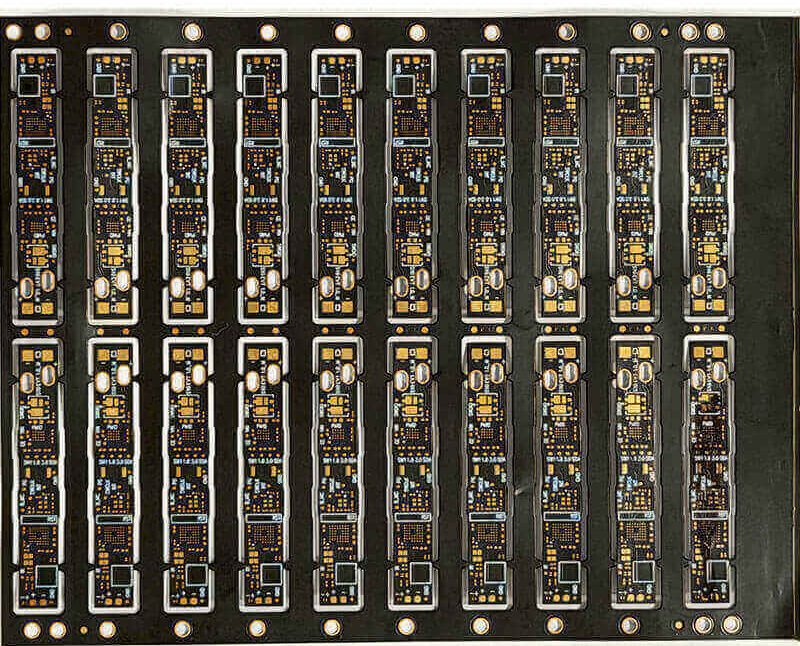
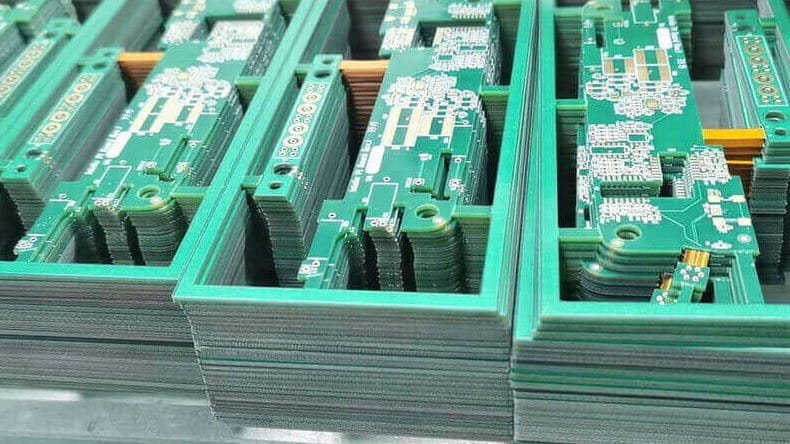
PCB Panelization and SMT Assembly Efficiency Data packages are usually reviewed for the bill of materials, the coordinates and the delivery date, and the panel drawing receives much less attention than it deserves. How a small board is repeated across a production panel decides how well the placement machine can…
PCB Receiving Inspection Sampling: How Much to Check In Modern electronics depend on boards that are assembled correctly the first time. Every product – a phone, a charger, a medical instrument or an industrial controller – relies on thousands of solder joints that must conduct current for years. This article…
PCBA Test Fixtures: Preparing Them for Small-Batch Runs At the sample stage, testing is improvised and that is reasonable. An engineer connects a supply, loads the programme, exercises the interfaces and watches the behaviour, and a handful of boards are checked this way in an afternoon. The difficulty appears when…
ESD Control in SMT Assembly: Why It Affects Yield When a customer evaluates an assembly service, the questions tend to be about placement accuracy, placement speed, the reflow process and inspection. Static control rarely appears on that list, and yet it is one of the few production conditions that can…
PCB Inventory Accuracy: Counting What Is There Electronics manufacturing has become a discipline of small details. Solder paste volumes, placement accuracy, temperature profiles and inspection limits all add up to the final result. This guide looks at PCB inventory accuracy from the perspective of a PCBA factory floor, covering knowing…
Power Supply PCBA: Thermal Design and Safety Spacing A power board is judged by a different standard from a control board. Soldering it correctly is the beginning rather than the end of the requirement, because the product has to survive continuous operation in an enclosure, at temperature, with mains voltage…
PCB Excess Material Management: What to Do With Leftovers Modern electronics depend on boards that are assembled correctly the first time. Every product – a phone, a charger, a medical instrument or an industrial controller – relies on thousands of solder joints that must conduct current for years. This article…
SMT Pilot Run: Why the Small-Batch Flow Comes First A pilot run is usually described as a small order that comes before a large one, which makes it sound like a formality. In practice it is the stage at which the design, the material, the process and the acceptance criteria…
PCB Consignment Versus Turnkey Parts: Who Buys the Parts Buyers and engineers often focus on the finished product and forget the production line behind it. In practice, most field failures can be traced back to process decisions made during assembly. Understanding PCB consignment versus turnkey parts gives you a practical…