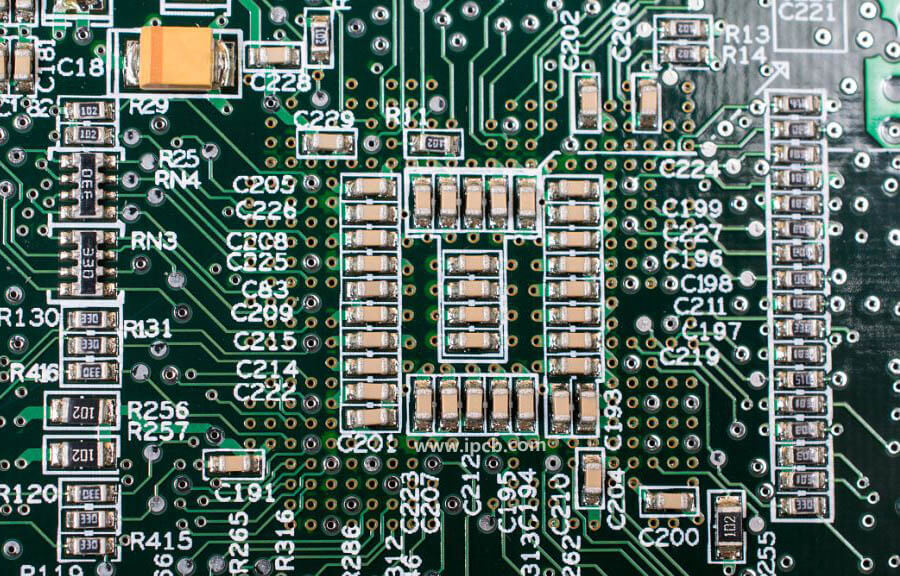
PCB Via in Pad Design: Holes Under the Pads Modern electronics depend on boards that are assembled correctly the first time. Every product – a phone, a charger, a medical instrument or an industrial controller – relies on thousands of solder joints that must conduct current for years. This article…

PCB QFN Pad Geometry: Pads Under a Leadless Part Electronics manufacturing has become a discipline of small details. Solder paste volumes, placement accuracy, temperature profiles and inspection limits all add up to the final result. This guide looks at PCB QFN pad geometry from the perspective of a PCBA factory…
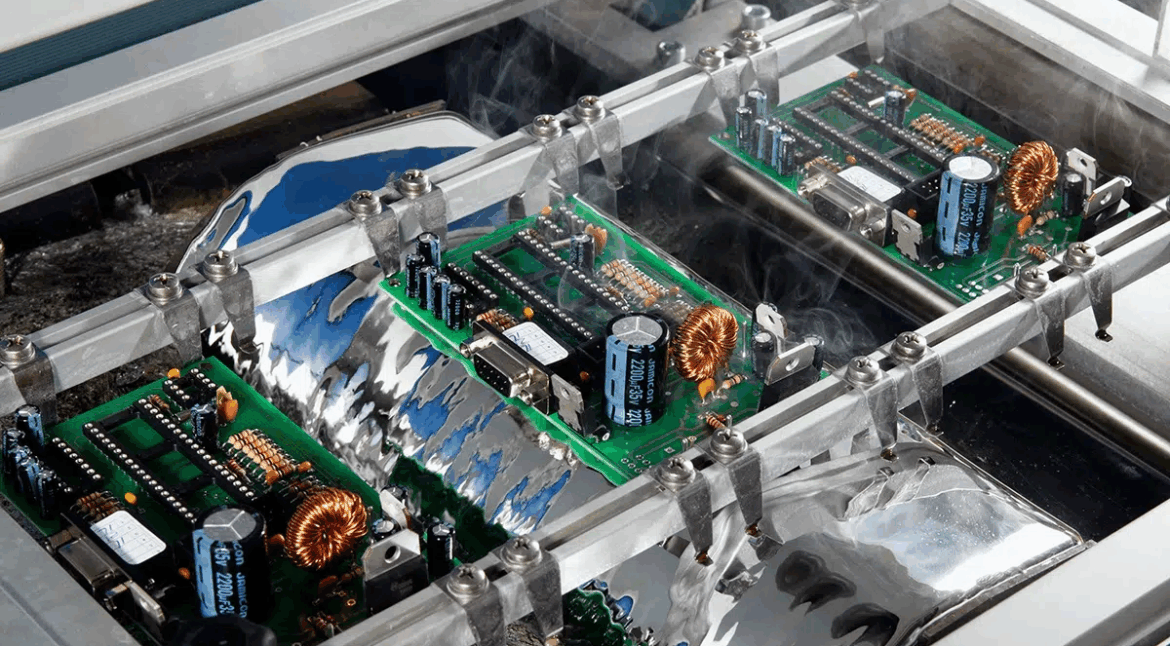
Double-Sided SMT Assembly for a Smart Thermostat Board A thermostat board carries the controller, the temperature sensing interface, the display connector, the power management devices and the relay driver circuit, and it is usually built as a two sided assembly. The board that is populated first passes through the reflow…
PCB Connector Footprint Design: Matching the Part to the Pads Modern electronics depend on boards that are assembled correctly the first time. Every product – a phone, a charger, a medical instrument or an industrial controller – relies on thousands of solder joints that must conduct current for years. This…
Consumer Electronics SMT Assembly for Smart Hardware and Appliances Consumer products change quickly, their volumes move up and down, and the boards inside them keep shrinking. A manufacturer that can place a chip resistor measuring four hundred micrometres and then change the line over to a different product the same…
PCB Press Fit Connector Design: Pins That Need No Solder Buyers and engineers often focus on the finished product and forget the production line behind it. In practice, most field failures can be traced back to process decisions made during assembly. Understanding PCB press fit connector design gives you a…
PCB Shipment Inspection to the IPC-A-600 Class 3 Standard A customer who receives bare boards has no way to inspect the inside of a plated hole, and very little way to judge a surface finish beyond its appearance. That is why the acceptance standard has to be agreed before the…
PCB Card Edge Connector Design: The Board as a Plug Modern electronics depend on boards that are assembled correctly the first time. Every product – a phone, a charger, a medical instrument or an industrial controller – relies on thousands of solder joints that must conduct current for years. This…
Zero Drift and Weighing Test on a Scale Main Board A scale main board that reads correctly when it leaves the line can drift in the field for reasons that have nothing to do with the conversion chip. A slowly wandering zero or a display that keeps jumping may come…
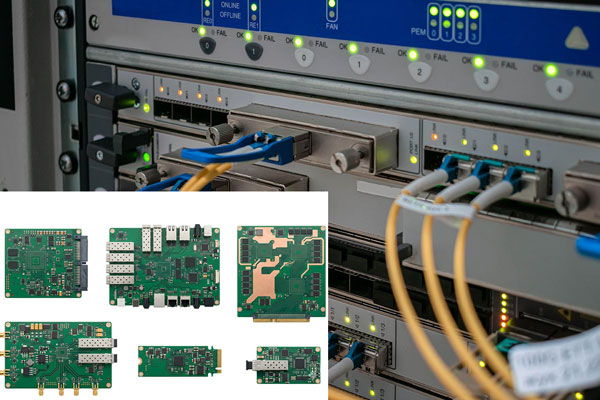
PCB Backplane Design Rules: The Board Behind the Rack Electronics manufacturing has become a discipline of small details. Solder paste volumes, placement accuracy, temperature profiles and inspection limits all add up to the final result. This guide looks at PCB backplane design rules from the perspective of a PCBA factory…