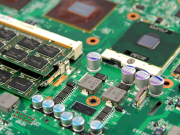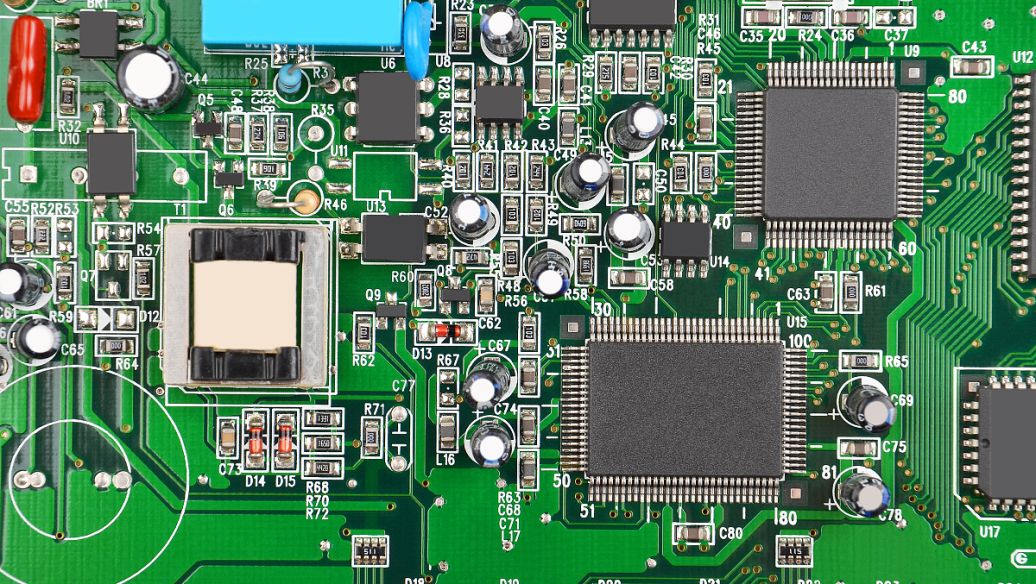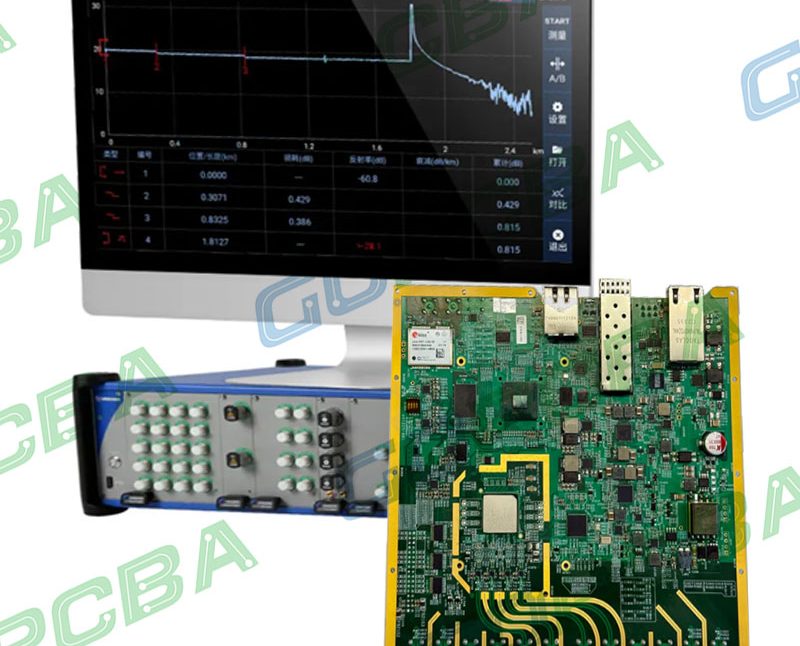
Circuit Design Partner for Production: Preparing a Requirements Brief A team that needs a circuit design partner usually already knows what the product should do. What it often lacks is a document that another company can design against, and that document is what determines whether the project runs on a…
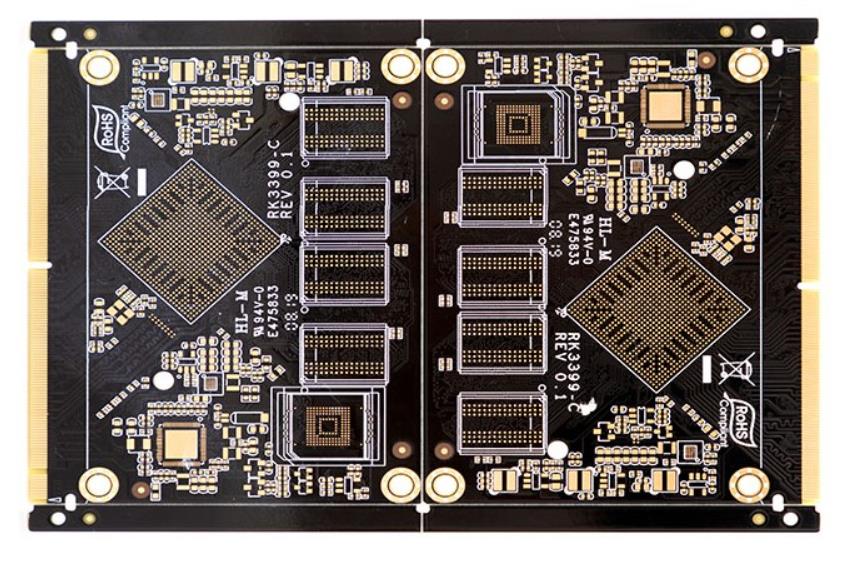
Ordering PCBs With Gerber Files Only: What Else Matters Gerber files describe the copper, the solder mask, the silkscreen and the outline. They are the core of a fabrication order, and they deliberately say nothing about why the board was drawn the way it was. That silence is the source…
Design for Manufacturability Review: Before Production, Not After Most of the money lost in electronics manufacturing is lost in the gap between a design that passes a functional test and a design that can be built repeatedly. That gap is what a design for manufacturability review exists to close, and…
High Speed PCB Design: Where Layout Experience Actually Shows High speed design is not defined by a clock frequency. It is defined by whether the physical path of a signal changes its behaviour, which happens when the rise time is short relative to the length of the interconnect. A slow…
New Product Introduction: Choosing an SMT Assembly Partner New product introduction is the phase in which a design becomes a manufacturable product, and it is usually compressed into a schedule that was written before anyone knew what the problems would be. The supplier chosen for the first build has a…
Mass Production Readiness: Preparing a Hardware Product to Scale A product that works on a bench is not yet a product that can be built a thousand times. The gap between the two is not one big problem; it is a collection of small ones, each of which is cheap…
PCB Fabrication for Pilot Runs: What R&D Teams Should Compare A pilot run is where a design stops being a file and starts being a product. The quantity is small, the schedule is short, and the board has to be good enough to support assembly, test and a customer demonstration.…
Electrochemical Migration: PCB Spacing and Finish Electrochemical migration, or ECM, is a typical failure mechanism of printed circuit boards under the coexistence of high humidity, bias voltage, and ionic contamination. Its core manifestation is the formation of conductive dendrites between metal conductors, ultimately leading to increased leakage current, decreased insulation…
3D Printed Electronics vs Traditional PCB Making 3D Printed Electronics, or 3D PE, technology is gradually breaking through the physical and process boundaries of traditional printed circuit board manufacturing. This technology is not simply stacking conductive ink into circuits. It uses multi-material, multi-scale collaborative printing to simultaneously construct dielectric substrates,…
Automotive Electronics PCB Design: Thermal Cycling Automotive Electronic PCB Design systems operate for long periods in wide temperature ranges from minus 40 to 150 degrees Celsius, high vibration, and strong electromagnetic interference environments. The thermal cycling reliability of their PCB components directly determines the functional safety level of the entire…