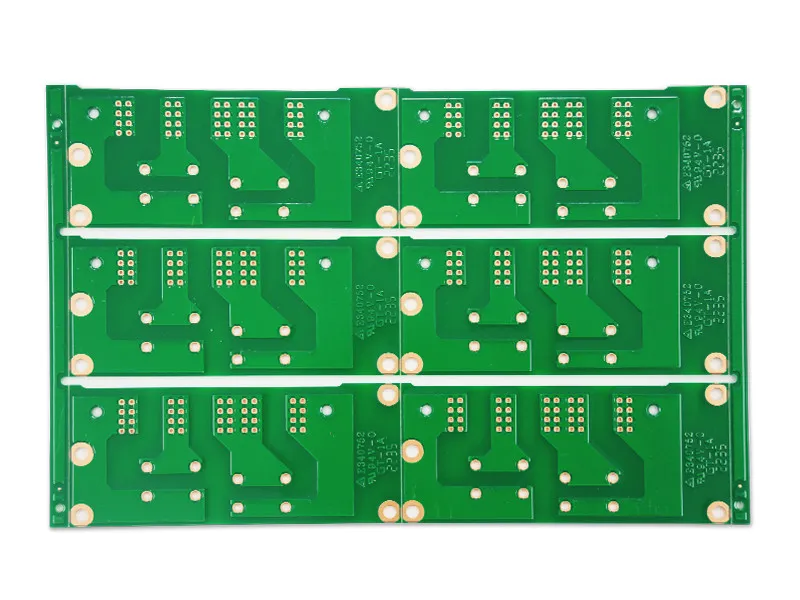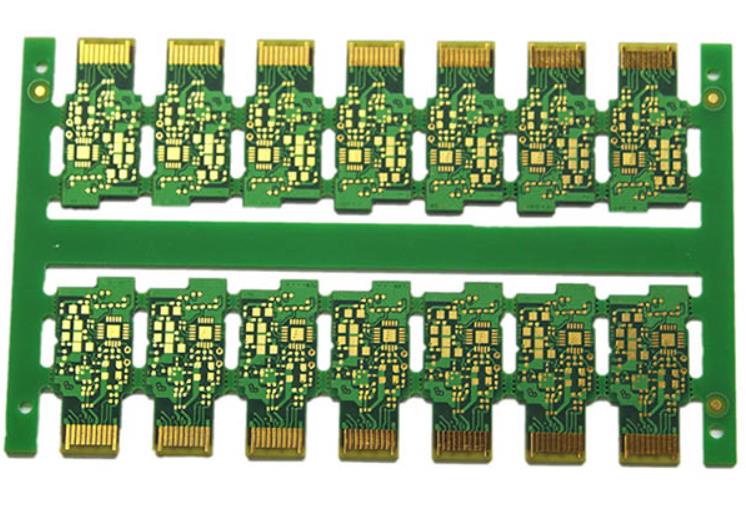
Ceramic PCB Guide: Alumina, AlN and Thick Film Options When the Substrate Stops Being a Container On most boards the laminate is a mechanical carrier with acceptable electrical properties. On a ceramic board the substrate is an active participant: it conducts heat, it holds off voltage, and its expansion behaviour…
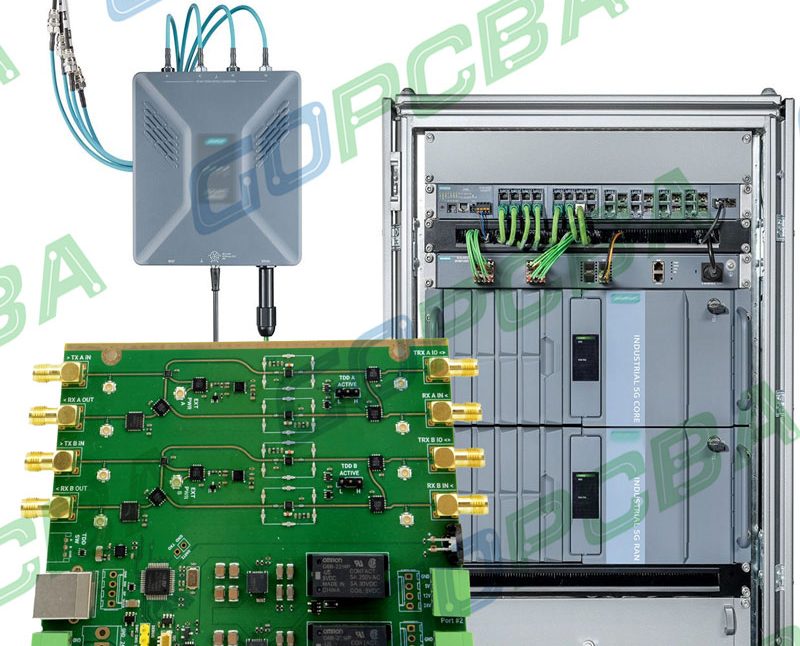
Medical PCB Prototype to Production: One Stop Service The Bridge Between Validation and Volume Medical electronics has an unusual structure. A design is validated on a small number of boards, those boards carry the evidence that goes into a regulatory submission, and then the product has to be manufactured for…
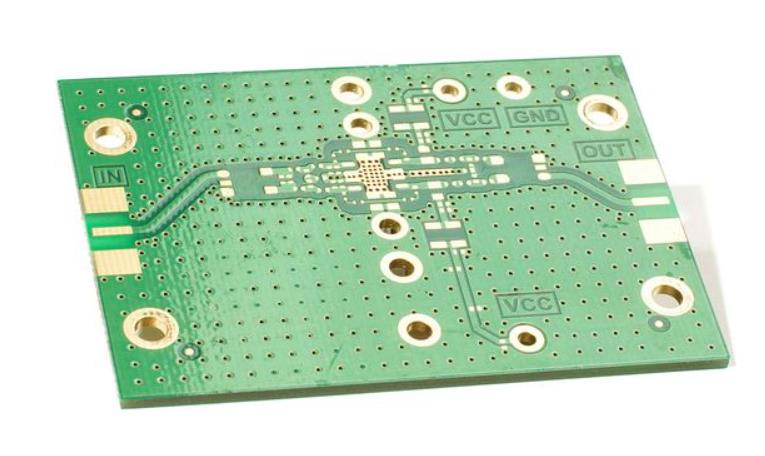
High Frequency PCB Basics: Materials, Loss and Design Where Ordinary Design Rules Stop Working Below a few hundred megahertz, a trace is a conductor and the laminate is an insulator, and the design rules that follow from that assumption work well. Above roughly 500 MHz the same trace starts behaving…
Quick Turn PCB Services: China, USA and Europe Compared Speed Is Not the Same as Fast Turnaround A supplier who promises twenty four hour boards is not necessarily offering a service that a program can use. What matters is whether the promised window is repeatable, whether the process control holds…
Aluminium Nitride Ceramic Substrates: A Technical Guide Why Aluminium Nitride Exists Three requirements pull a design away from ordinary substrates: the heat flux is high, the voltage is high, and the device is silicon carbide or gallium nitride with a coefficient of thermal expansion that does not match a laminate.…
Direct Bonded Copper PCB: Ceramic Substrates for Power When FR-4 Runs Out of Thermal Headroom A high power module asks a board to do three things at once: carry a large current, hold off a high voltage, and move heat out of the switching devices. FR-4 can do the first…
Standard PCB Service Pricing: Material, Layers, Volume What Makes a Service Standard A standard board service is a manufacturing offer built around the common case: standard FR-4, one ounce of copper, two, four or six layers, ordinary tolerances, a normal finish and a quoted lead time of one to two…
18 Layer PCB Boards: Stackup, Process and Cost Where the Layer Count Comes From Nobody starts a design intending to use eighteen layers. The number appears when a set of requirements cannot be satisfied any other way: a backplane with dozens of high speed serial links, a server or switch…
China vs Overseas PCB Manufacturing: Cost and Speed The Question Behind the Question Asking whether to build in China or overseas is usually a proxy for a different question: what do I actually need from this supplier? A startup that needs fifty prototype boards next week, a medical OEM that…
Copper Clad PCB Guide: Foil Weight, Specs and Price The Copper Is the Circuit Every board starts as an insulating base with copper foil bonded to one or both sides. That copper becomes the conductors, and the thickness of it determines how much current the design can carry, how much…