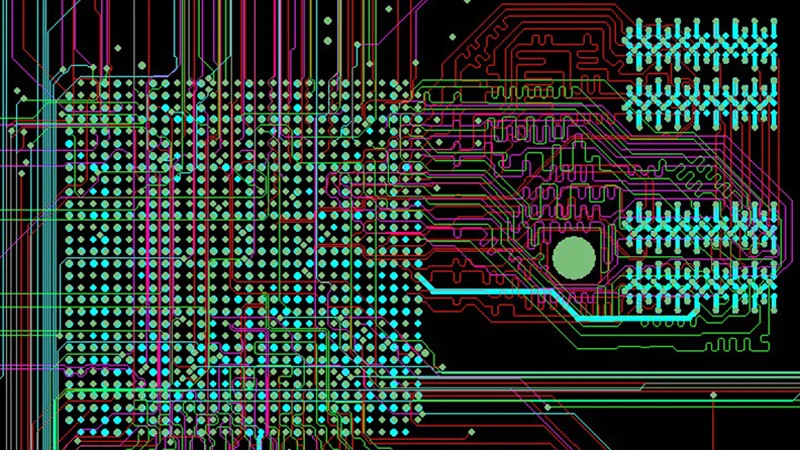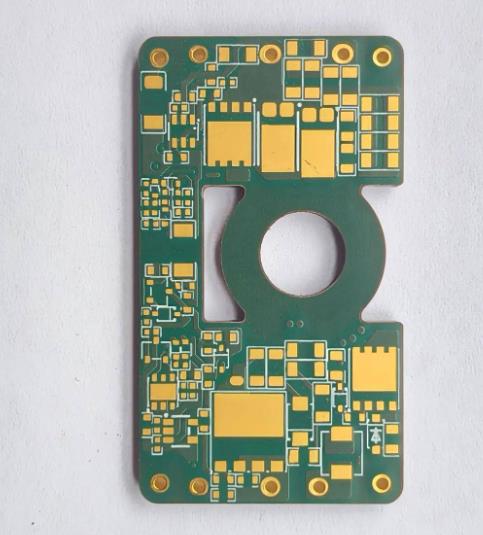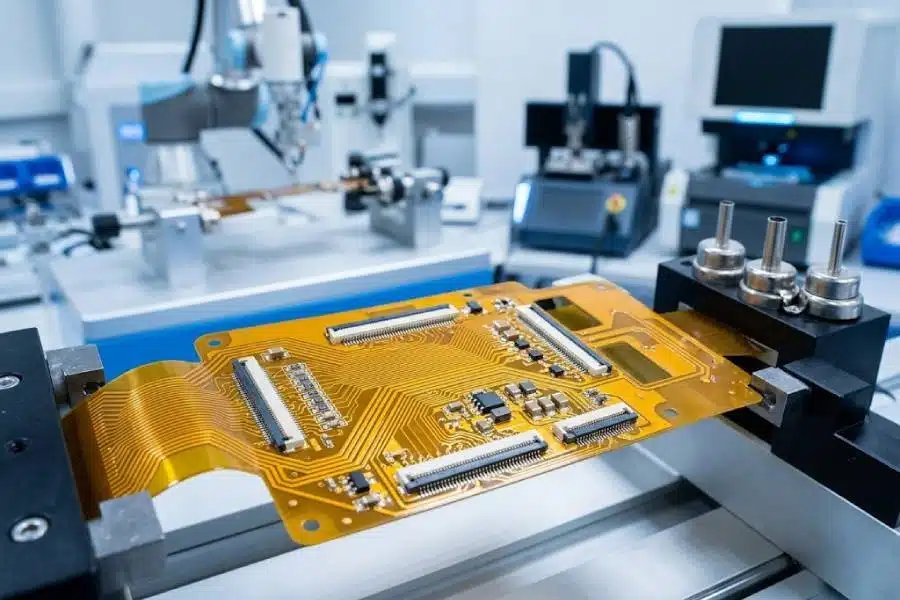
What Drives the Cost of a Quick Turn PCB Prototype Why Prototype Cost Behaves Differently Quick turn prototyping exists to shorten development cycles and expose design problems early, while changes are still cheap. Because a rapid prototype run is inherently small, typically one to twenty boards, its cost structure has…
PCB Wrist Strap Testing: Proving the Ground Path Modern electronics depend on boards that are assembled correctly the first time. Every product – a phone, a charger, a medical instrument or an industrial controller – relies on thousands of solder joints that must conduct current for years. This article explains…
High Volume PCB Assembly: Process, Cost and Supply Chain Scaling From Prototype to Millions Once a product enters volume manufacture, the constraints change. Cost per unit, consistency between shipments and supply chain stability become the dominant concerns, and the assembly partner’s production capacity and process discipline determine whether the ramp…
PCB Ionizer Use in Assembly: Blowing Away the Charge Electronics manufacturing has become a discipline of small details. Solder paste volumes, placement accuracy, temperature profiles and inspection limits all add up to the final result. This guide looks at PCB ionizer use in assembly from the perspective of a PCBA…
Gateway Device PCB: Materials, Design and Sourcing The Board at the Centre of the Network A gateway is the point where devices meet the network. It aggregates data from sensors and endpoints, converts between protocols, routes traffic, and increasingly performs some processing at the edge. Inside every one of those…
PCB ESD Safe Workstation Setup: A Bench That Protects Electronics manufacturing has become a discipline of small details. Solder paste volumes, placement accuracy, temperature profiles and inspection limits all add up to the final result. This guide looks at PCB ESD safe workstation setup from the perspective of a PCBA…
Industrial Data Acquisition PCB: Noise, Layout and Materials Measuring a Millivolt in an Industrial Environment Industrial data acquisition systems exist to convert physical quantities such as temperature, pressure, current, voltage and vibration into digital data accurately and repeatably. The environment they operate in makes that difficult: continuous electrical noise from…
PCB ESD Damage During Assembly: Where the Charge Comes From Electronics manufacturing has become a discipline of small details. Solder paste volumes, placement accuracy, temperature profiles and inspection limits all add up to the final result. This guide looks at PCB ESD damage during assembly from the perspective of a…
Low Cost PCB Volume Production: Where the Money Goes Low Cost Is a Design Outcome, Not a Purchase Price In volume manufacturing, the board cost inside a product directly determines bill of materials cost, margin and competitive position. That makes cost reduction a genuine engineering objective rather than a procurement…
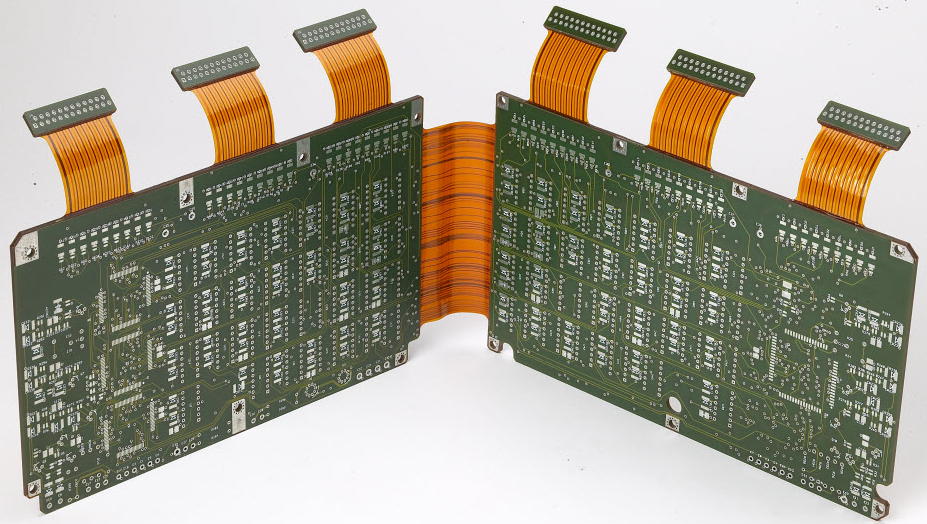
PCB Classification: Three Main Types Explained According to wiring layer count and process difficulty, PCBs are mainly divided into three categories, covering all scenarios from simple toy circuits to high-end precision equipment: 1. Single-Sided PCB (Single-Layer Board) The simplest and lowest-cost PCB, with copper traces and pads on only…