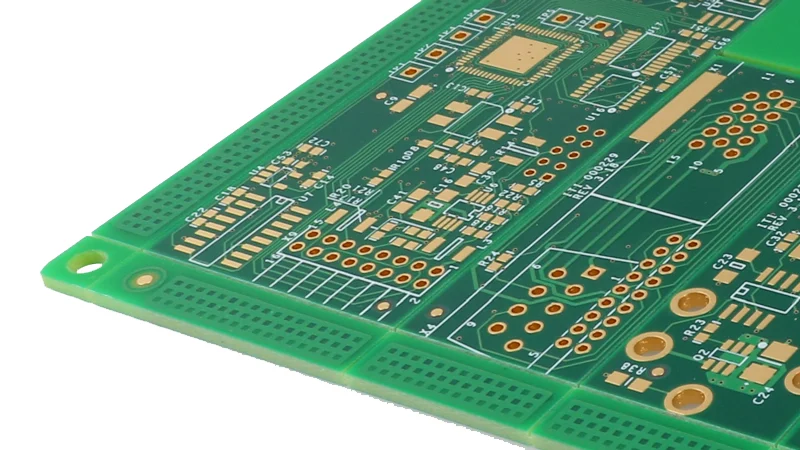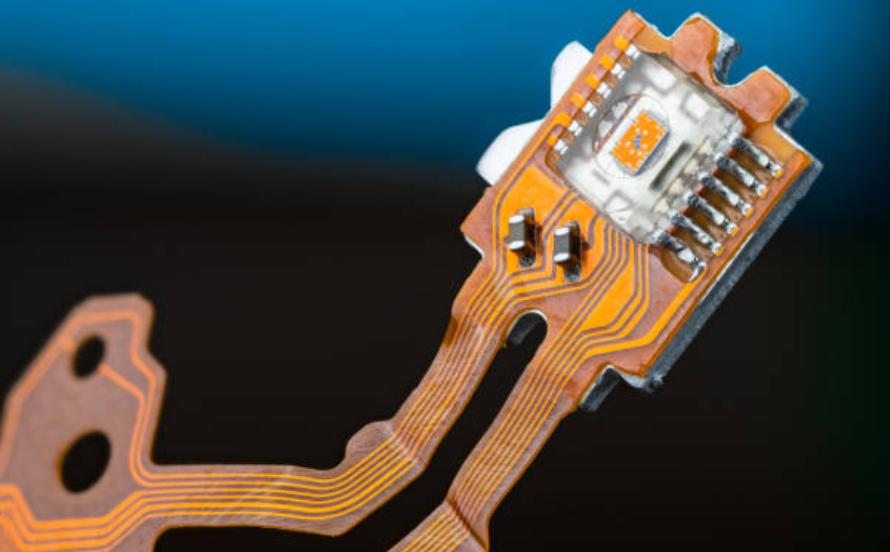
PCB Head in Pillow Defect: A Joint That Looks Joined Buyers and engineers often focus on the finished product and forget the production line behind it. In practice, most field failures can be traced back to process decisions made during assembly. Understanding PCB head in pillow defect gives you a…
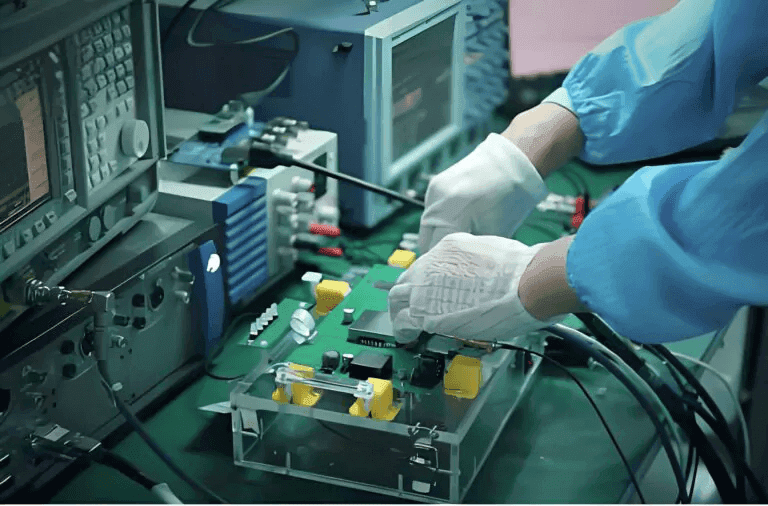
Imaging System PCB: Design for Sensors, Bandwidth and Noise The Board Behind Every Image An imaging product is judged by the picture it produces, and the picture is limited by the board that carries the sensor. Between the pixel array and the processed output sits a circuit that has to…
PCB Solder Beading Cause: Small Balls Beside the Joint Modern electronics depend on boards that are assembled correctly the first time. Every product – a phone, a charger, a medical instrument or an industrial controller – relies on thousands of solder joints that must conduct current for years. This article…
Military PCB Assembly: Standards, Materials and Testing Assembled for Conditions That Do Not Forgive A commercial board is designed around a use case. A military board is designed around a set of conditions: temperature extremes, sustained vibration, humidity, salt, shock and electromagnetic interference, often all present at once, in equipment…
PCB Microball Shadow Effect: Balls That Hide Behind Others Electronics manufacturing has become a discipline of small details. Solder paste volumes, placement accuracy, temperature profiles and inspection limits all add up to the final result. This guide looks at PCB microball shadow effect from the perspective of a PCBA factory…
Teflon PCB: PTFE Materials for RF and High Speed Designs Where FR-4 Stops Working Every material choice in electronics is a compromise, and FR-4 is the compromise that suits the most designs. It is cheap, easy to process, mechanically sound and electrically adequate below a few gigahertz. Push a design…
PCB Tombstone Defect Cause: When a Part Stands Up Buyers and engineers often focus on the finished product and forget the production line behind it. In practice, most field failures can be traced back to process decisions made during assembly. Understanding PCB tombstone defect cause gives you a practical advantage…
FR4 Material Properties: Tg, Dk, Df and Thermal Behaviour The Default That Is Rarely Understood FR-4 is the material most boards are made from. It is flame retardant, mechanically sound, electrically adequate for most designs and available everywhere at a predictable price. Because it is the default, it is also…
PCB Solder Fillet Acceptance: Reading the Shape of the Joint Modern electronics depend on boards that are assembled correctly the first time. Every product – a phone, a charger, a medical instrument or an industrial controller – relies on thousands of solder joints that must conduct current for years. This…
Heavy Copper PCB: 4 oz vs 10 oz vs 20 oz Compared When Standard Copper Is Not Enough Most boards are built with one or two ounces of copper. That is enough for signal routing and for the modest currents of consumer electronics, and it keeps the process comfortable for…