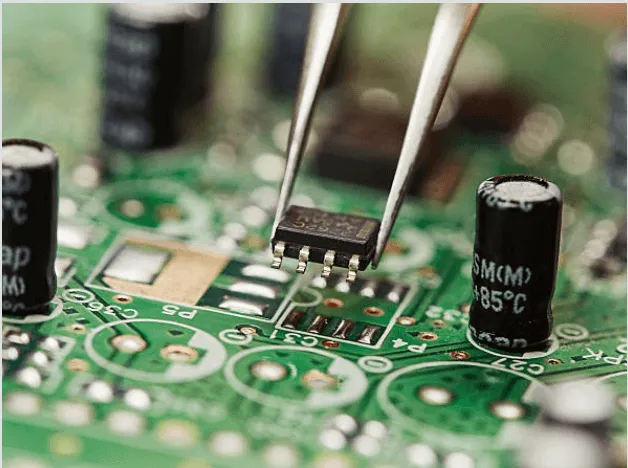
PCB Inspection Lighting Setup: Seeing the Joint Properly Electronics manufacturing has become a discipline of small details. Solder paste volumes, placement accuracy, temperature profiles and inspection limits all add up to the final result. This guide looks at PCB inspection lighting setup from the perspective of a PCBA factory floor,…
Flexible PCB Materials: PI, PET and LCP Compared The Material Decides What the Design Can Do A flexible circuit is only as good as the film it is built on. Two circuits can have identical copper patterns and behave completely differently because one uses a polyimide base and the other…
PCB IPC Class 2 Versus Class 3: How Much Better Must It Be Buyers and engineers often focus on the finished product and forget the production line behind it. In practice, most field failures can be traced back to process decisions made during assembly. Understanding PCB IPC class 2 versus…
PCB Print Definition Standard: Drawing the Limits Clearly Modern electronics depend on boards that are assembled correctly the first time. Every product – a phone, a charger, a medical instrument or an industrial controller – relies on thousands of solder joints that must conduct current for years. This article explains…
Custom PCB Price: What Actually Drives the Cost Why Two Quotes for the Same Board Rarely Match Ask three fabricators to quote the same design and the numbers will differ, sometimes by a factor of two. The reason is not usually the margin. It is that a printed circuit board…
PCB Acceptance Criteria for Holes: Judging the Drilled Holes Buyers and engineers often focus on the finished product and forget the production line behind it. In practice, most field failures can be traced back to process decisions made during assembly. Understanding PCB acceptance criteria for holes gives you a practical…
Stepped Rigid-Flex PCB: Variable Thickness in One Board A Board That Changes Thickness on Purpose A rigid-flex circuit already combines two very different constructions in one part: rigid sections that carry components, and flexible sections that bend and fold. A stepped rigid-flex board takes the idea a step further. Instead…
PCB Cosmetic Standards Bare Board: What Counts as Acceptable Buyers and engineers often focus on the finished product and forget the production line behind it. In practice, most field failures can be traced back to process decisions made during assembly. Understanding PCB cosmetic standards bare board gives you a practical…
PCB Selective Gold Plating: Gold Only Where It Is Needed Buyers and engineers often focus on the finished product and forget the production line behind it. In practice, most field failures can be traced back to process decisions made during assembly. Understanding PCB selective gold plating gives you a practical…
Flexible PCB Thickness: Choosing Between 0.05 mm and 0.5 mm Thickness Is the First Decision in a Flex Design On a rigid board, thickness is largely a mechanical detail. On a flexible circuit it is the parameter that determines almost everything else: how tightly the board can bend, how many…