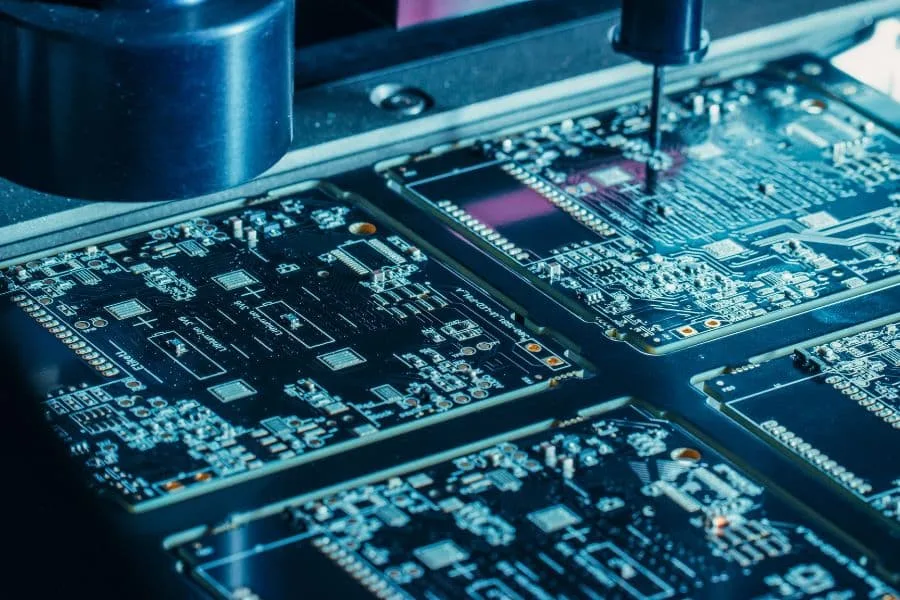
PCB Warp During Reflow: When Heat Bends the Board Modern electronics depend on boards that are assembled correctly the first time. Every product – a phone, a charger, a medical instrument or an industrial controller – relies on thousands of solder joints that must conduct current for years. This article…

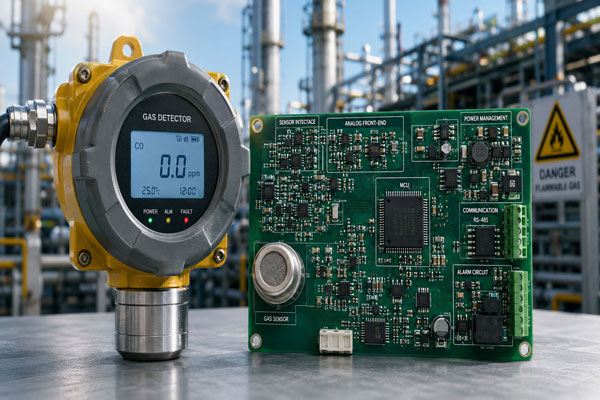
Connected Device PCB: Design for Wireless Products What Makes a Connected Board Different A connected device is one that talks to something else, whether over Wi-Fi, Bluetooth, Zigbee, Thread, LoRa or a cellular network. The circuit board inside it is not fundamentally different from any other board, but three requirements…
PCB Panel Bow and Twist Limits: How Flat the Panel Must Stay Buyers and engineers often focus on the finished product and forget the production line behind it. In practice, most field failures can be traced back to process decisions made during assembly. Understanding PCB panel bow and twist limits…
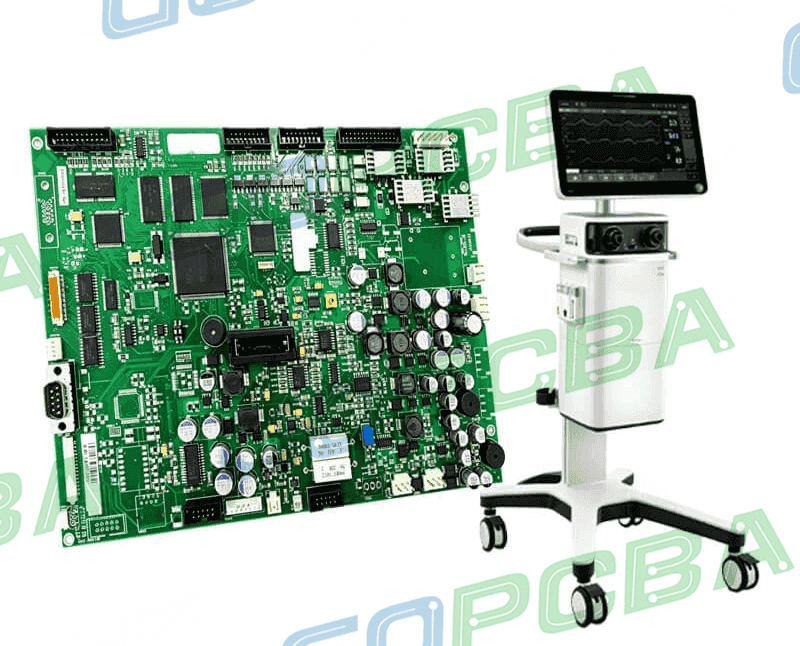
Medical Instrument PCB: Design and Manufacturing What Makes a Medical Board Different An instrument that is used on or inside a patient is regulated before it is manufactured. The board inside it has to be designed, built and documented in a way that can be audited, and every decision that…
PCB Copper Balance Across Panel: Spreading the Metal Evenly Modern electronics depend on boards that are assembled correctly the first time. Every product – a phone, a charger, a medical instrument or an industrial controller – relies on thousands of solder joints that must conduct current for years. This article…
Aluminium PCB Thickness: How to Choose The Three Thicknesses on an Aluminium Board Every metal core board has three layers, and each has its own thickness. The copper foil carries the circuit, typically one ounce, two ounces or heavier where current is high. The dielectric layer bonds the copper to…
PCB Laser Via Energy Density: The Right Dose of Light Electronics manufacturing has become a discipline of small details. Solder paste volumes, placement accuracy, temperature profiles and inspection limits all add up to the final result. This guide looks at PCB laser via energy density from the perspective of a…
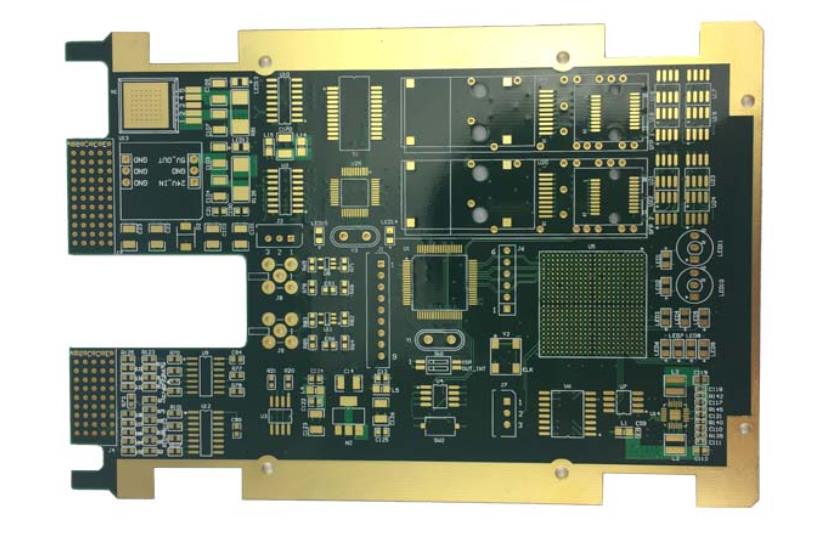
Double-Sided Rigid PCB: Structure, Design and Price What a Double-Sided Rigid PCB Is A double-sided rigid board carries copper on both faces of a stiff insulating core and connects the two faces with plated through holes. The laminate is usually FR-4, occasionally a high glass transition grade or a composite…
PCB Microvia Target Pad Concentricity: Landing in the Middle Buyers and engineers often focus on the finished product and forget the production line behind it. In practice, most field failures can be traced back to process decisions made during assembly. Understanding PCB microvia target pad concentricity gives you a practical…
Aluminium Nitride Substrate: Thermal Performance and Sourcing Why Aluminium Nitride Aluminium nitride is a ceramic that behaves like a metal in one respect and like an insulator in another. Its thermal conductivity is around 170 watts per metre kelvin, roughly seven times that of alumina and comparable to some aluminium…