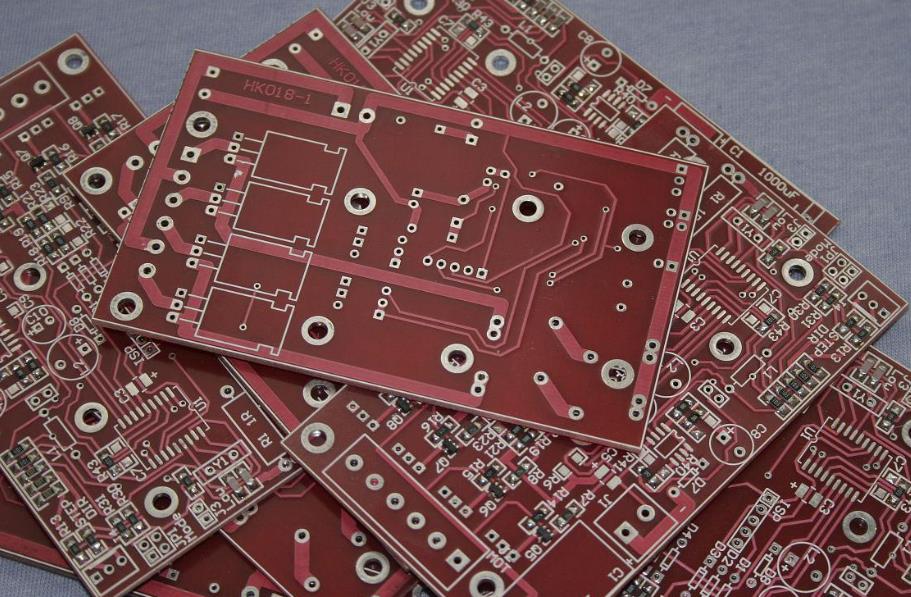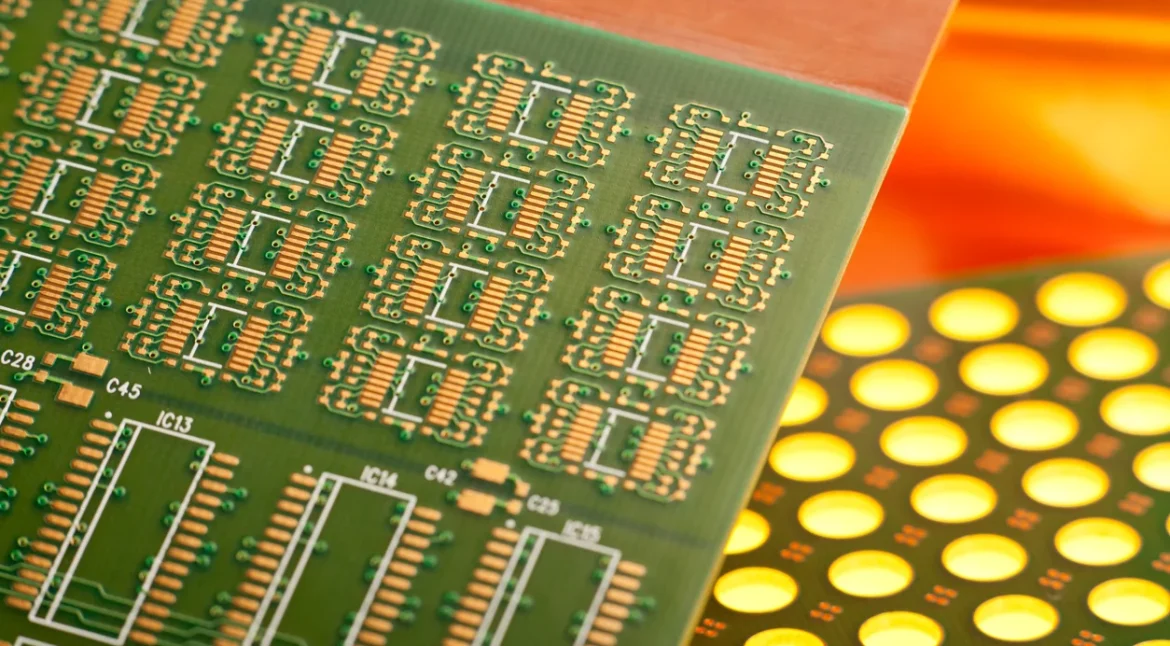
PCB Solder Mask Peel Strength: How Well the Mask Sticks Electronics manufacturing has become a discipline of small details. Solder paste volumes, placement accuracy, temperature profiles and inspection limits all add up to the final result. This guide looks at PCB solder mask peel strength from the perspective of a…
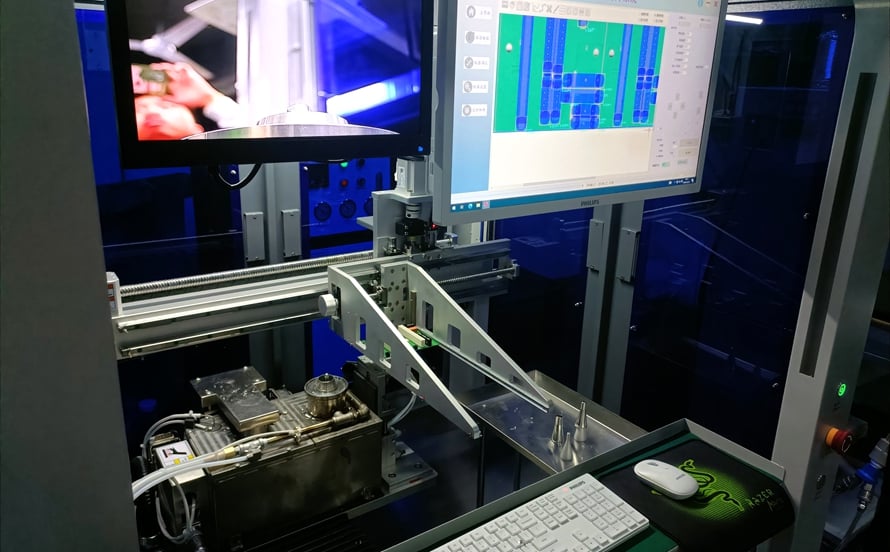
Back Drilling PCB: Why Via Stubs Matter at High Speed The Stub Is the Problem A plated through hole that connects the outer layers of a thick board also passes through every layer in between. If the signal only needs to travel between two of those layers, the unused portion…
Press-Fit PCB Design: Holes, Tolerances and Reliability What Press-Fit Actually Does A press-fit connector or pin is installed by pushing it into a plated hole without solder. The pin has a compliant section, usually a hollow eye or a shaped spring, that deforms elastically as it enters and then presses…
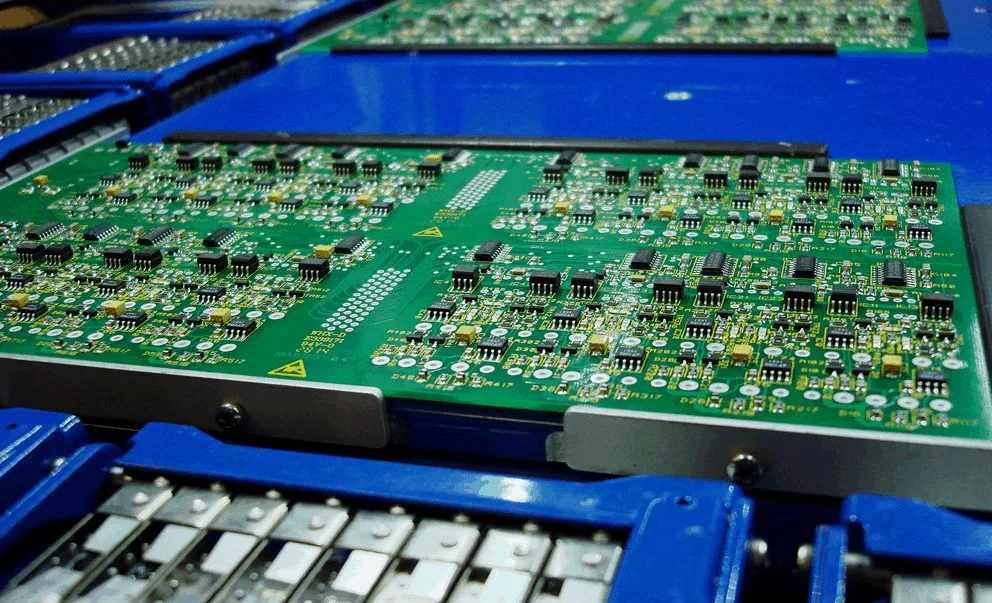
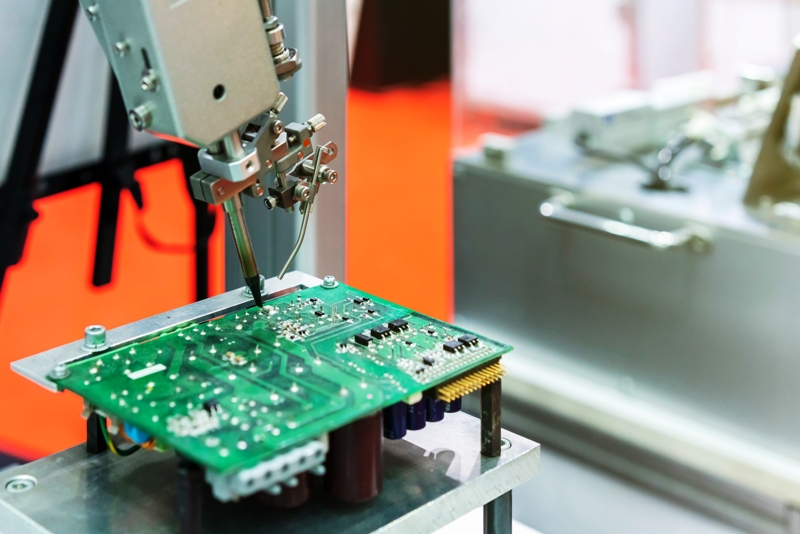
SMT Component Placement Head Type: The Tool That Places the Parts Modern electronics depend on boards that are assembled correctly the first time. Every product – a phone, a charger, a medical instrument or an industrial controller – relies on thousands of solder joints that must conduct current for years.…
PCB Copper Trace Antipad: The Clearance Around the Hole Modern electronics depend on boards that are assembled correctly the first time. Every product – a phone, a charger, a medical instrument or an industrial controller – relies on thousands of solder joints that must conduct current for years. This article…
Standard PCB vs HDI PCB: Comparing Process Capability Two Capability Sets, Not Two Quality Levels The difference between a conventional multilayer board and an HDI board is not quality, it is the set of process limits the design can use. A standard board is built with mechanical drilling, conventional imaging…
SMT Reflow Zone Length: The Size of Each Oven Zone Buyers and engineers often focus on the finished product and forget the production line behind it. In practice, most field failures can be traced back to process decisions made during assembly. Understanding SMT reflow zone length gives you a practical…
Blind Slot PCB vs Through Slot: Design and Manufacturing Two Slots, Two Processes A slot is a routed opening in a board that is longer than it is wide, and the word covers two very different features. A through slot is cut all the way through the panel, so the…
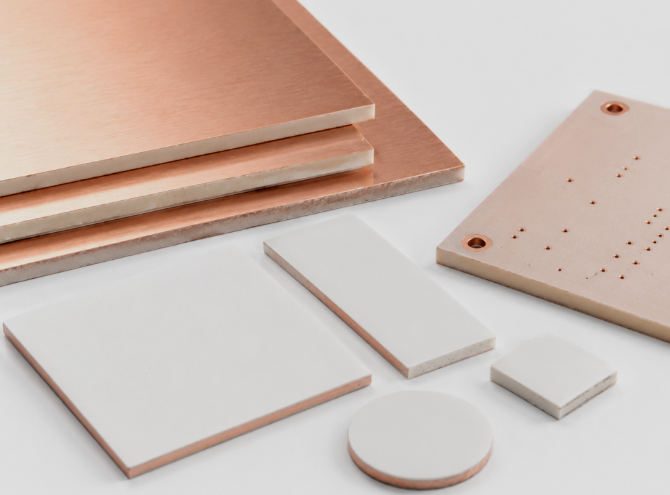
PCB Laminate Thermal Conductivity: How the Board Moves Heat Electronics manufacturing has become a discipline of small details. Solder paste volumes, placement accuracy, temperature profiles and inspection limits all add up to the final result. This guide looks at PCB laminate thermal conductivity from the perspective of a PCBA factory…
FPC Process Capability: What a Flex Circuit Manufacturer Can Build Why Capability Comes First on Flex A rigid board design can usually be adjusted after the first quotation, because the fabricator’s limits are wide enough that most circuits fit. A flexible circuit is less forgiving. The material is thinner, the…