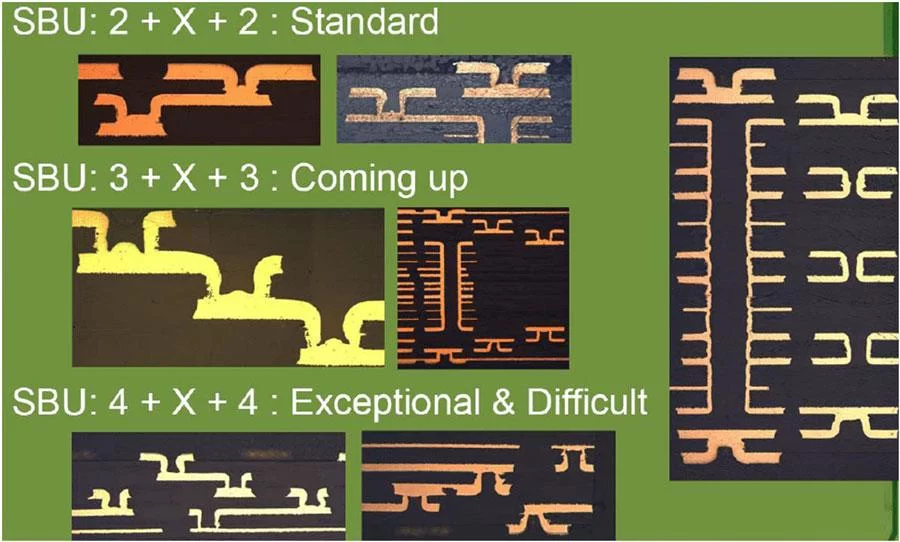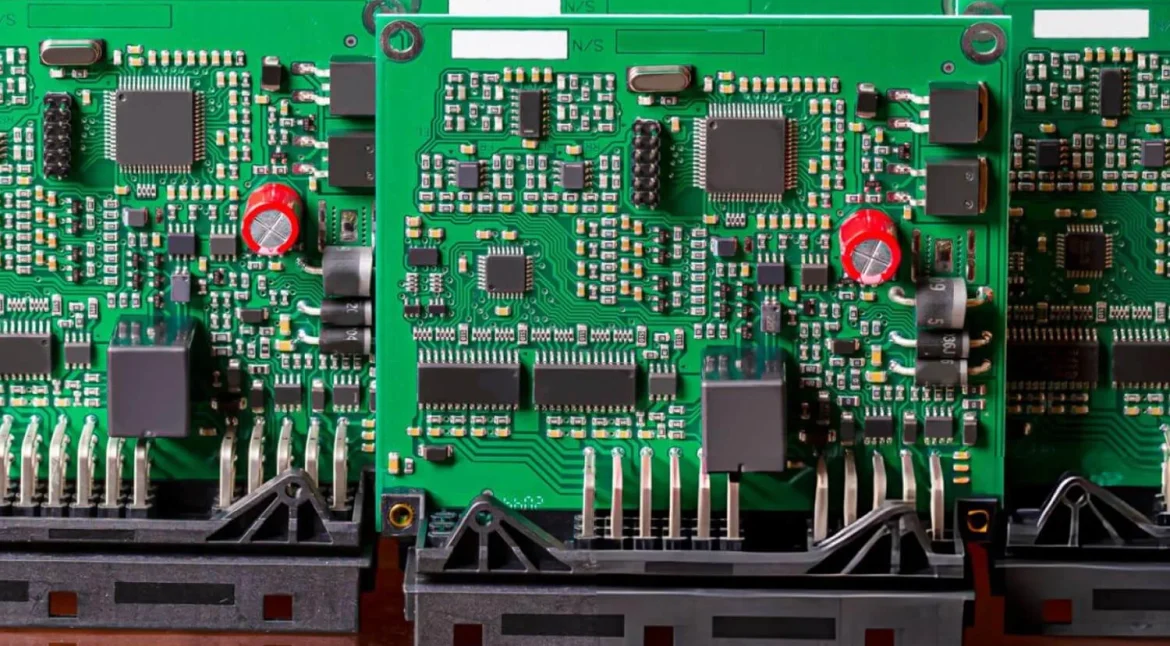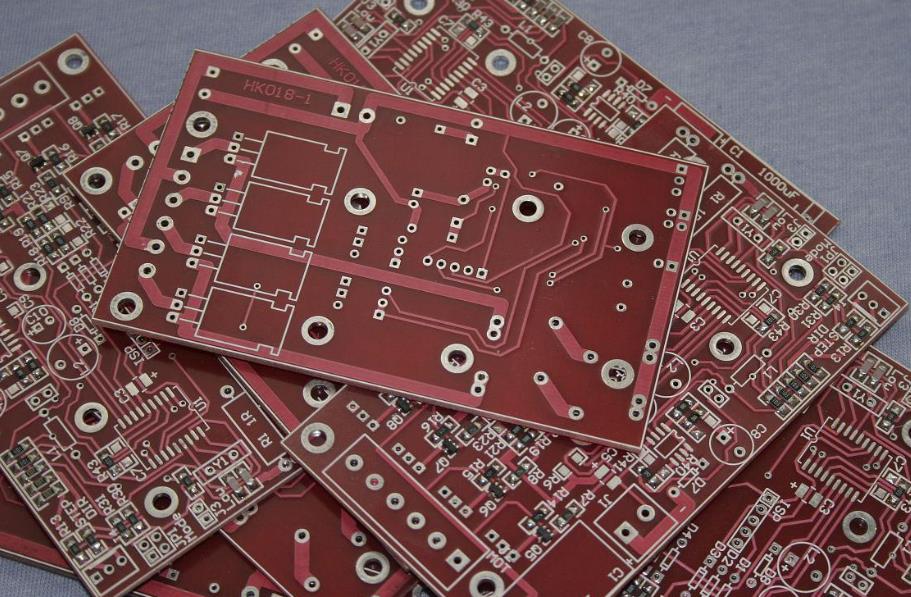
PCB Hole Wall Quality: How to Read a Cross Section Why the Hole Wall Is the Critical Surface Every plated through hole is a connection that depends on a thin layer of copper adhering to a wall of drilled resin and glass. The copper must be continuous from the top…
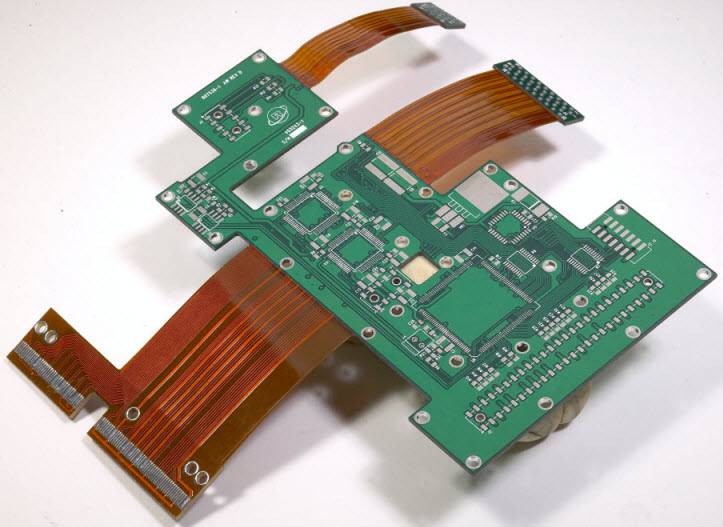
PCB Copper Trace Surface Finish Effect: How the Finish Shapes the Signal Electronics manufacturing has become a discipline of small details. Solder paste volumes, placement accuracy, temperature profiles and inspection limits all add up to the final result. This guide looks at PCB copper trace surface finish effect from the…
Rigid Flex Bend Area Design Rules The Bend Area Is a Designed Feature In a rigid flex assembly, the bend is not an accident of the shape; it is the reason the board exists. The flexible section lets a single circuit fold into a three dimensional product, eliminating connectors and…
PCB Panel Utilisation: How to Cut Material Waste Why Utilisation Decides the Price Most board shops buy laminate in fixed sheet sizes, cut those sheets into production panels, and process a panel through every step from inner layer imaging to final routing. The cost of those steps is largely per…
PCB Thermal Cycling: What the Test Proves What Thermal Cycling Actually Tests A thermal cycling qualification exposes a board or an assembly to repeated excursions between a cold and a hot extreme, with defined ramp rates and dwell times, and then inspects it for damage. What it is really measuring…
PCB Drill Bit Selection and Wear Management Why the Drill Bit Decides Hole Quality Every hole in a board is produced by a small carbide tool turning at high speed and entering a stack of copper, glass fibre and resin that is abrasive and thermally insulating. The bit is the…
PCB Dielectric Constant Measurement Method: The Way the Value Is Found Buyers and engineers often focus on the finished product and forget the production line behind it. In practice, most field failures can be traced back to process decisions made during assembly. Understanding PCB dielectric constant measurement method gives you…
SMT Reflow Solder Joint Wetting Force: The Pull of the Solder Buyers and engineers often focus on the finished product and forget the production line behind it. In practice, most field failures can be traced back to process decisions made during assembly. Understanding SMT reflow solder joint wetting force gives…
PCB Aspect Ratio: The Drilling Limit That Shapes Your Stackup What Aspect Ratio Measures Aspect ratio is the board thickness divided by the drilled hole diameter. A 1.6 mm board with a 0.3 mm hole has an aspect ratio of about 5.3 to 1; a 4 mm backplane with a…
Peelable Solder Mask: When to Use It and How to Specify It What Peelable Solder Mask Is For A peelable solder mask, sometimes called a temporary mask or peelable resist, is a compound that is printed or sprayed onto a board to cover an area that must stay clean through…