Conformal Coating Masking and Keep-Out Control Conformal coating protects a board only where it is allowed to stay, and the parts of the assembly that must remain clear of it are the ones that cause the most trouble. Masking defines the boundary, and a keep-out zone that is too small,…
Solder Preforms for Large Joints: Selection and Placement A solder preform exists for the joints that paste cannot fill: a heavy copper slug, a shield frame, a connector shell where the large joint volume is measured in cubic millimetres rather than in nanolitres. In those places the preform supplies the…
XRF: Preparation, Placement and Process Control XRF is the standard way to check coating thickness on a finished board, and it is also easy to use badly. The instrument reports a number to three decimal places whether or not the calibration, the spot size and the substrate behind the coating…
QFN Thermal Pad Voiding: Causes and Control A QFN thermal pad is a large, flat joint with no leads to carry heat away, and it is the part of the assembly most likely to trap gas. The void that results does not always show up as a defect, which is…
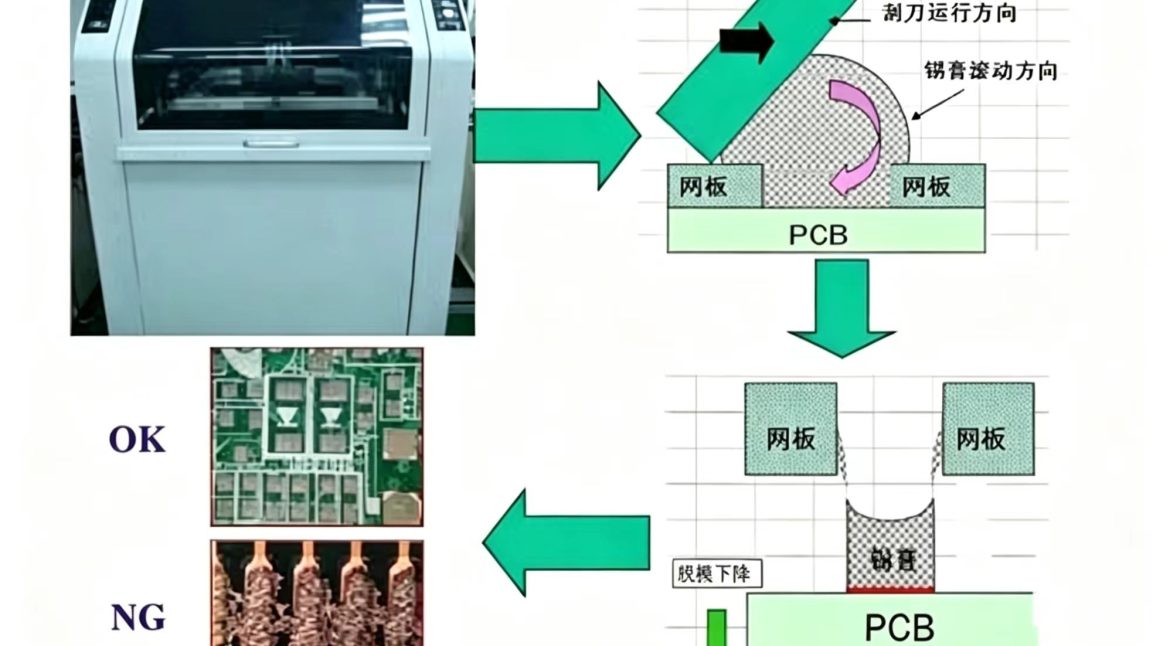
Print Offset Correction: Stencil Alignment and Paste Registration A print offset of a tenth of a millimetre is invisible on a coarse board and fatal on a 0.4 mm pitch device, because the same displacement that leaves a comfortable deposit on one pad spills onto the mask beside the next.…
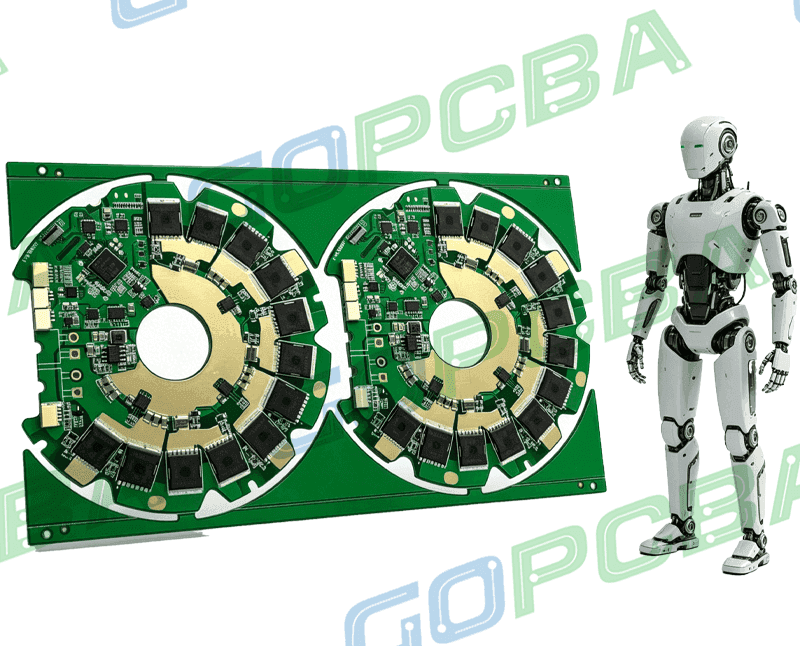
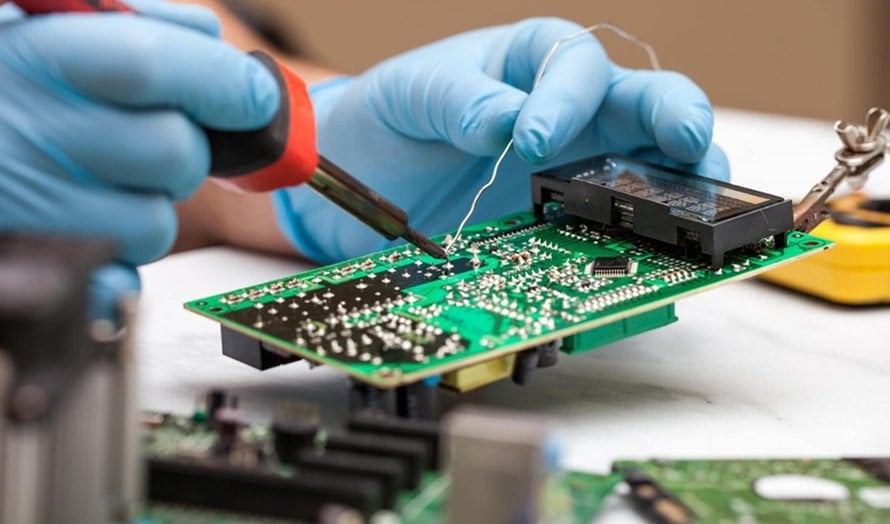
A PCB assembly line is where electronic designs are transformed into functional products. It is a critical part of modern electronics manufacturing, combining automation, precision equipment, engineering expertise, and quality control to turn bare printed circuit boards into reliable electronic assemblies. From solder paste printing and component placement to reflow…
ESD Damage Investigation: Finding Latent Failures ESD damage is difficult to investigate because the most damaging events are the ones that do not destroy a part. A discharge that passes through a gate oxide leaves a weakened device that passes test, ships, and fails months later. That outcome is called…
BGA Rework: Preheat, Nozzle Size and Thermal Profile BGA rework concentrates a reflow process into a few square centimetres, and everything that is gentle in an oven becomes aggressive at that scale. The board is heated from below, the package from above, and the nozzle decides where the heat lands,…
Low-Temperature Solder Paste: SnBi Selection and Process Limits Low-temperature solder enters a process for one reason: something on the board cannot survive 240 degrees Celsius. Choosing it means accepting a different set of limits, because an SnBi alloy with a melting point near 138 degrees behaves nothing like SAC305, and…
Annular Ring and Drill Tolerance: Specifying What the Barrel Needs The annular ring is the copper that remains around a drilled hole, and it is the only thing holding the barrel to the rest of the circuit. Its width is the difference between how large the pad was drawn and…