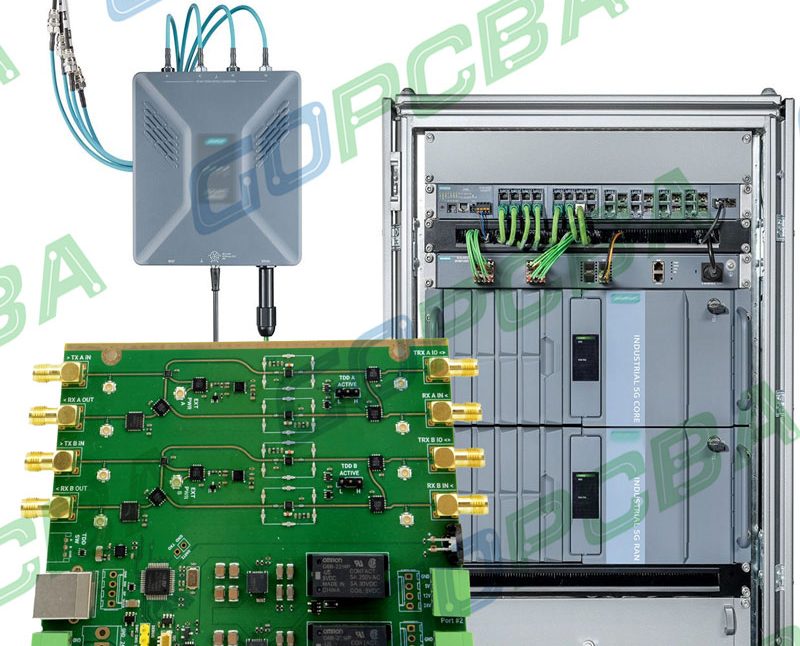
Solder Balling in Reflow: Causes, Detection and Process Fixes Small spheres of alloy sitting beside a joint, or in a scatter across the mask between pads, are one of the most common reflow findings and one of the least well explained. Solder balling has several distinct causes, and they are…
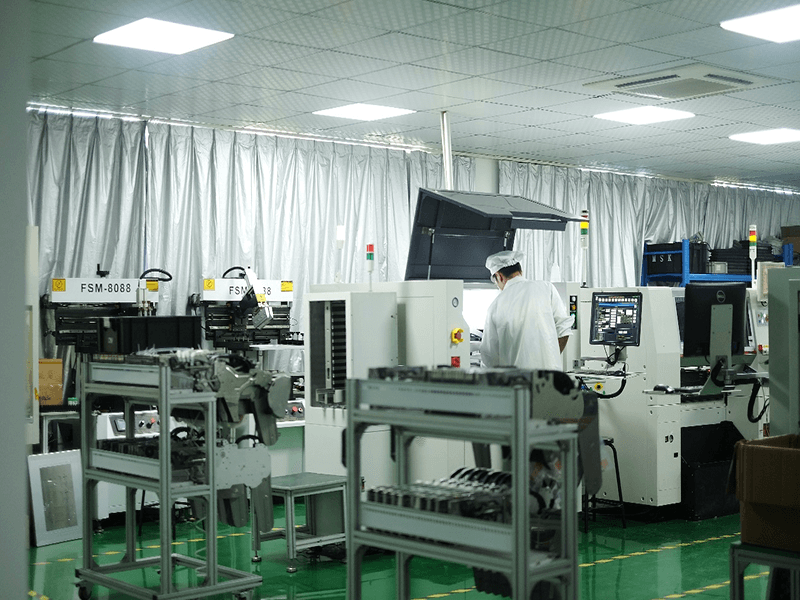
Feeder Setup: Peeling Force and Pickup Reliability A tape feeder is a mechanical device expected to present a component within a few hundredths of a millimetre, thousands of times a shift, from a carrier tape it did not manufacture. The settings that make that possible are the peel, the index…
Press-Fit Connectors: Hole Diameter, Insertion Force and Reliability A press-fit connection is made by deforming a compliant pin inside a plated hole until the two surfaces weld together under pressure. There is no alloy involved, so the reliability comes entirely from the hole, the plating and the force that drives…
Tin Whiskers: Formation, Risk and Mitigation for Lead-Free Finishes A tin whisker is a single crystal of tin that grows out of a plated surface over months or years, and it grows because the plating is under compressive stress. The mechanism is understood well enough to be managed, even though…
Placement Force on Thin Boards: Z Axis Control and Board Support A placement head that presses a component into paste is applying a force through the board, and a thin board that is not supported underneath will bend. The bend is small, but it is enough to move a fine…
AOI Programming: Key Checks Before Release An AOI programming exercise has two failure modes that pull in opposite directions: calls that stop the line for a joint that is fine, and calls that never happen for a joint that is not. Every threshold moved to reduce the first increases the…
Nitrogen Reflow: Oxygen Concentration, Dew Point and Wetting Nitrogen in a reflow oven does one thing: it keeps oxygen away from the alloy while the flux is trying to clean it. Whether that is worth the gas, the plumbing and the analyser depends on the joint that has to be…
Second Side Reflow: Holding Heavy Components Through the Oven In a second side reflow pass the components already soldered are underneath the board, held only by their own joints, while the new components are placed on top. Anything that is too heavy to be held by surface tension has to…
OSP Coating: Oxide Layer Control, Storage Life and Wetting An organic solderability preservative protects a copper surface by forming a thin organic film that dissolves in flux at soldering temperature. It adds almost no thickness to the board and it survives almost nothing, so the oxide layer underneath it, the…
Copper Foil Roughness: Skin Effect, Insertion Loss and HVLP Options At low frequencies the surface of a copper trace is a detail, but as the skin depth shrinks towards the profile of the foil, the current is forced to follow every peak and valley. The path becomes longer than the…