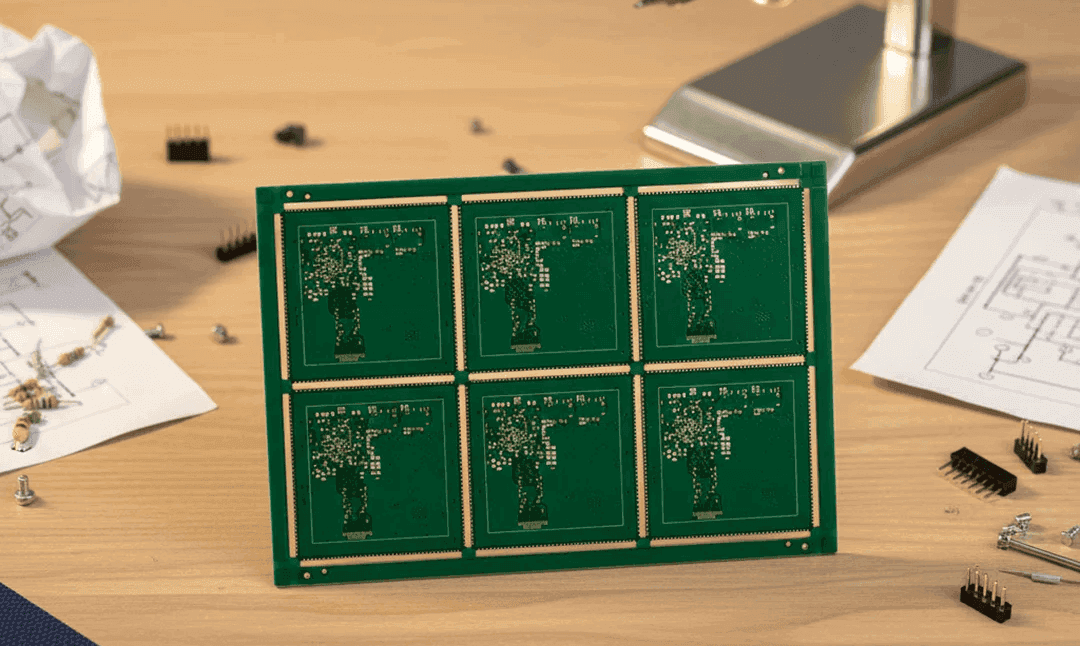
Panel Design for Maximum Material Utilization and Yield Panel design is where a board’s unit cost is largely decided, long before the first laminate is cut. How many boards fit, how much material is wasted at the edges, how easily the array can be assembled and how cleanly it can…

Cleanliness Verification Methods Cleanliness is a requirement that is easy to state and hard to verify, because there is no single test that covers every contamination risk. Flux residue, ionic material, particles, oils and moisture each behave differently and each cause different failures, so the verification method has to be…
PCB Oven Zone Training: Teaching the Team Modern electronics depend on boards that are assembled correctly the first time. Every product – a phone, a charger, a medical instrument or an industrial controller – relies on thousands of solder joints that must conduct current for years. This article explains PCB…
PCB Oven Zone Cost: What It Adds Up To Modern electronics depend on boards that are assembled correctly the first time. Every product – a phone, a charger, a medical instrument or an industrial controller – relies on thousands of solder joints that must conduct current for years. This article…
PCB Oven Zone Control: Holding It Steady Modern electronics depend on boards that are assembled correctly the first time. Every product – a phone, a charger, a medical instrument or an industrial controller – relies on thousands of solder joints that must conduct current for years. This article explains PCB…
PCB Oven Zone Standards: Agreeing the Rules Buyers and engineers often focus on the finished product and forget the production line behind it. In practice, most field failures can be traced back to process decisions made during assembly. Understanding PCB oven zone standards gives you a practical advantage when you…
Ionic Contamination Verification Ionic contamination is the residue that remains conductive when it dissolves in moisture, and it is the mechanism behind a whole family of failures: dendritic growth between conductors, leakage across a connector, corrosion of a joint and, in the worst case, a short that appears only in…
Fabrication Capability Matrix and Its Use A fabrication capability matrix is a short table of the limits a shop can hold, and it exists so that a design can be checked against them before it is quoted. Without it, the check is made by whoever answers the enquiry on that…
OSP Versus Immersion Tin: Shelf Life and Solderability OSP and immersion tin both present a solderable copper surface without the thermal excursion of hot air levelling, and both are popular on fine pitch boards where a flat finish matters. They differ in what they protect, how long they last and…
Solder Paste Open Time and Work Life on the Line Solder paste changes from the moment the jar is opened. The solvent evaporates, the flux chemistry reacts with the air and the viscosity rises, so a paste that printed correctly in the morning behaves differently in the afternoon. Open time…