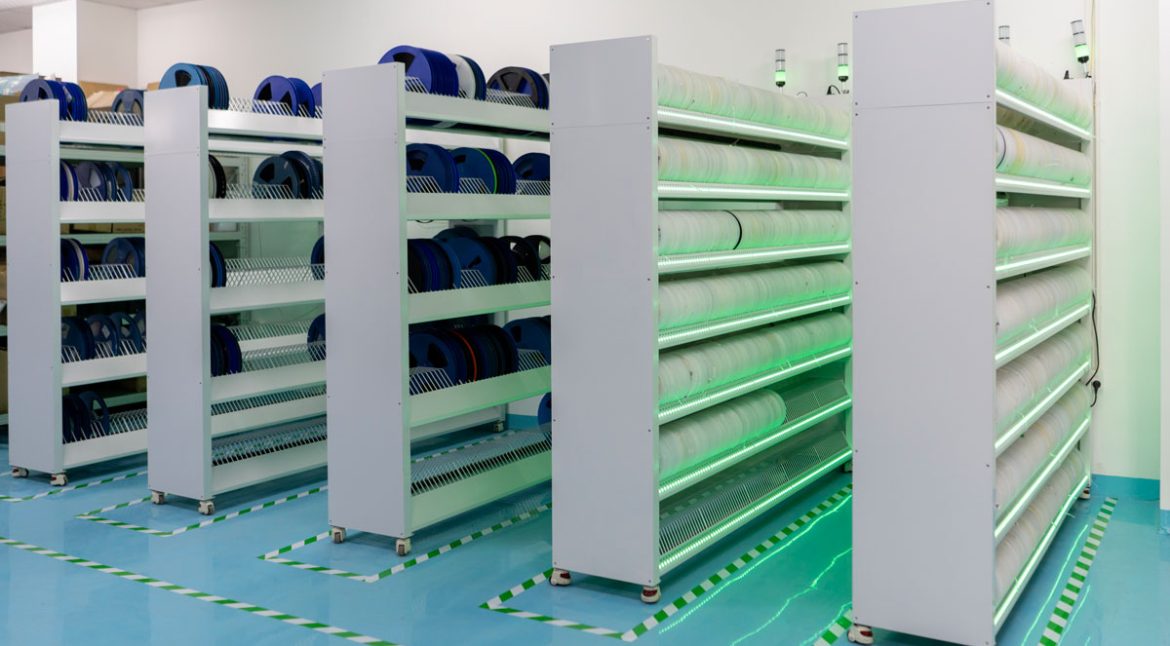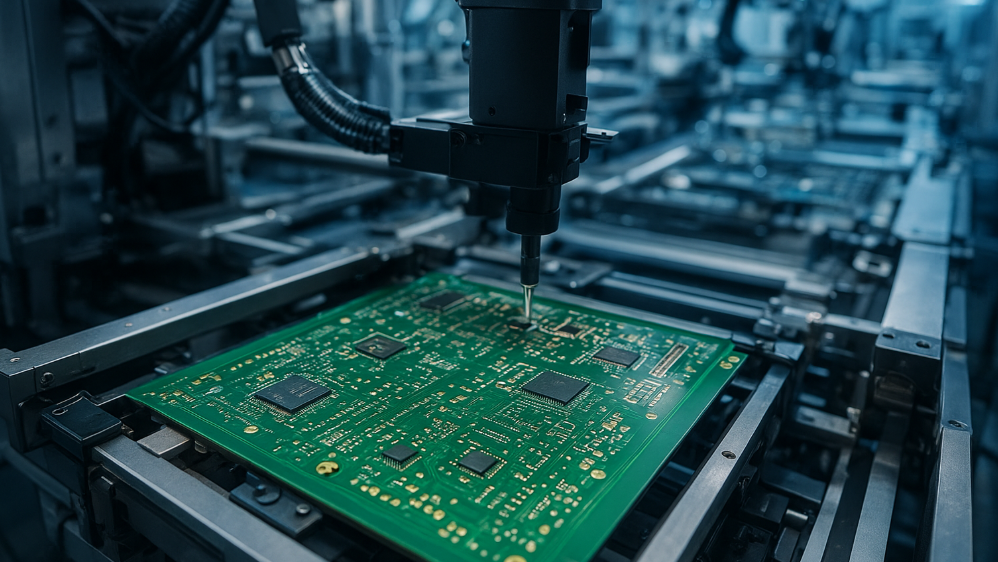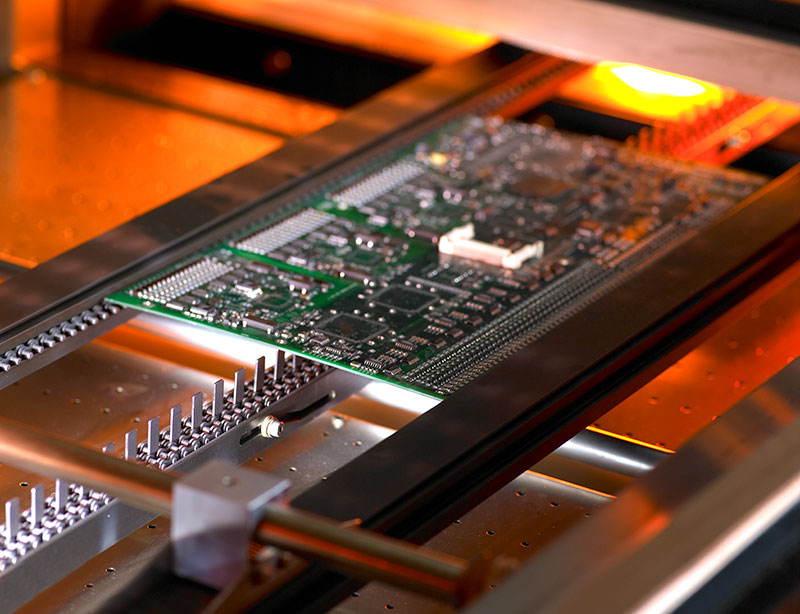
SMT Feeder Setup And Verification Most wrong-part defects are not caused by a machine placing the wrong reel. They are caused by a reel of the right part being loaded onto the wrong feeder position, or by a feeder that was loaded correctly but picked up the first part from…
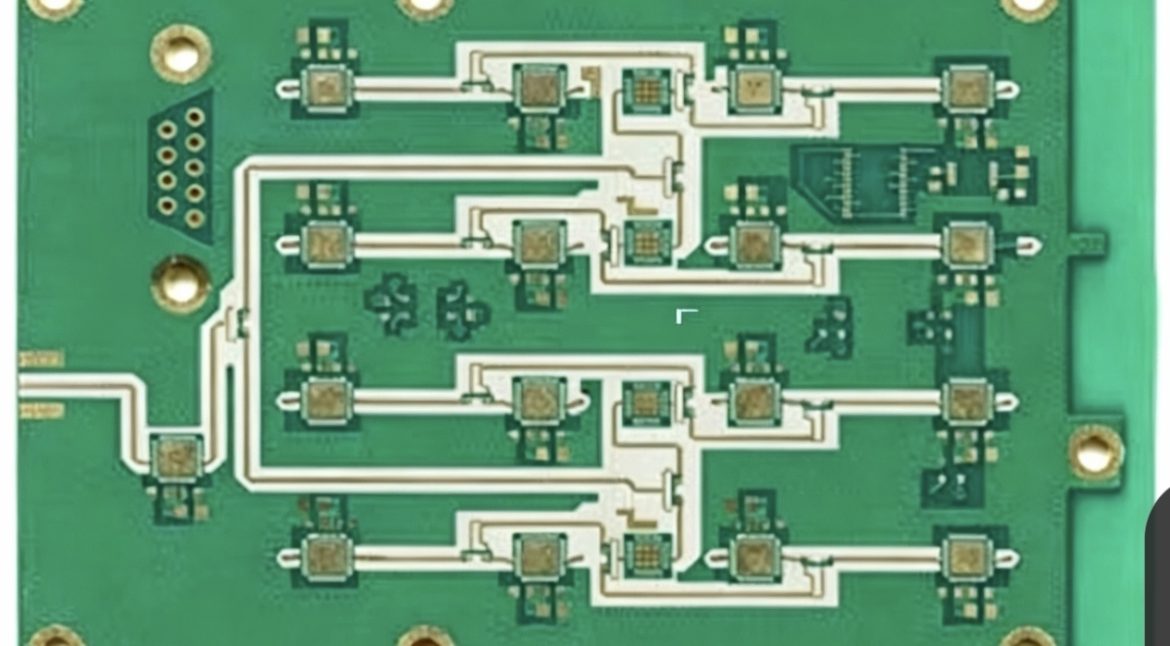
Cleanliness Requirements: Design Rules and Process Limits PCB cleanliness requirements define how much contamination may remain on a board after assembly. The contamination comes from the flux, the handling marks, the plating chemistry and the dust in the air, and it forms a conductive path when it dissolves in a…
Wave Height and Contact Control for Reliable Wave Soldering Wave soldering is still the fastest way to attach through-hole parts at volume, and the quality of every joint depends on two variables that are easy to watch and easy to neglect: the height of the solder wave and the time…
Reel Splicing and Feeder Splice Control on SMT Lines Every SMT line eventually runs out of parts in the middle of a reel, and what happens next decides whether the line stops or keeps running. Reel splicing is the practice of joining the tail of an exhausted reel to the…
Edge Clearance: Key Checks Before Release PCB edge clearance is the distance between the board profile and the nearest copper, component or hole. The profile is a machined surface, so it has a tolerance that is much wider than the artwork tolerance, and the features near it have to be…
Board Thickness Tolerance And Its Control The thickness of a printed circuit board is a dimension that everyone assumes and few people check. It determines whether a connector fits, whether a card enters its guide, whether an edge connector mates with the right pressure and whether a press fit pin…
Wave Solder Pallet: Practical Checks for Production A wave solder pallet is a carrier that holds the board through the wave soldering machine. It locates the board, masks the areas that must not be soldered and shields the side that has already been reflowed. It is a tool rather than…
Flux Spatter and Solder Ball Generation in Reflow Soldering Flux spatter is the scattering of tiny solder balls and flux residue around a joint after reflow, and it is one of the defects that survives electrical test because the individual balls are usually too small to bridge on their own.…
Via Plugging And Mask Filling On PCB A via that is left open collects flux, solder and contamination during assembly, and the accumulated material can leach out later and cause a defect. The industry has three answers: tent the via with mask, plug it with a resin, or fill it…
Second Source Component Strategy Guide A second source is an alternate part that can be substituted for the primary one without changing the board. It protects a product from a supply interruption, from an allocation and from a quality problem at one vendor. The work is done at the design…