Second Source Qualification for Electronic Components Supply problems, lead times and end of life notices all push manufacturers to qualify a second source for a component. The temptation is to treat it as a paperwork exercise and approve an equivalent part number. The reality is that two parts with the…
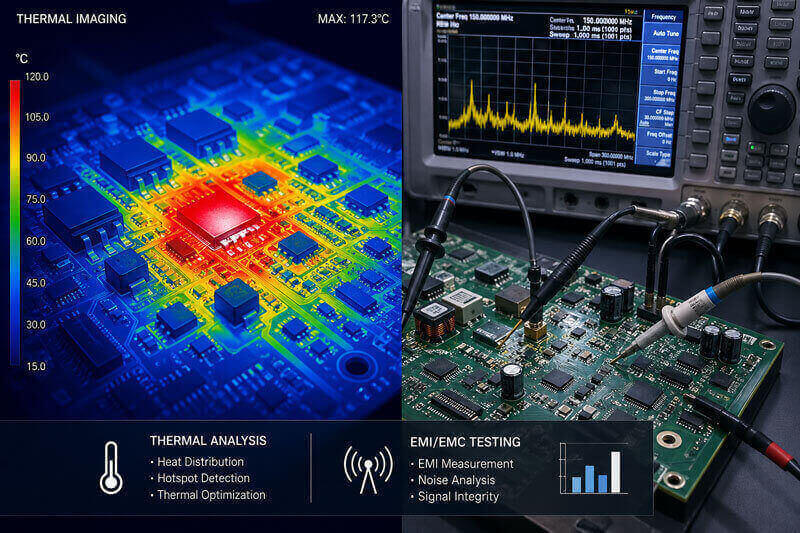
Insertion Loss Budget Guide An insertion loss budget is a list of every loss in a high speed channel, added up before the layout begins. The driver, the package, the board, the vias, the connectors and the cable all contribute, and the total has to leave enough signal at the…
Copper Foil Roughness: Design Rules and Process Limits Copper foil roughness is easy to ignore because the foil itself does not look rough. The side that faces the laminate is treated to give the resin something to grip, and the treatment is a surface profile measured in microns. At low…
Glass Weave Effect Design Guide The glass weave effect is a small variation in the dielectric constant of a laminate that comes from the fabric inside it. The weave is a periodic structure of glass bundles and resin rich gaps, and a trace runs over both. The dielectric constant under…
Four Wire Kelvin Measurement of PCB Trace Resistance Measuring the resistance of a copper trace looks straightforward until the number matters. A trace a few centimetres long may have a resistance of a few milliohms, and the probe contact resistance in a two wire measurement can be larger than the…
Prepreg and Core Selection Guide Every multilayer board is built from two materials: a core, which is a sheet of laminate with copper on both faces, and prepreg, which is partially cured resin and glass that bonds the cores together. The choice between them sets the dielectric thickness of each…
Defect Rate DPPM and Yield Improvement in PCB Assembly Quality in electronics assembly is measured in parts per million, because the processes are good enough that percentages are too coarse to be useful. A line running at one percent defect rate is producing ten thousand defective joints per million opportunities,…
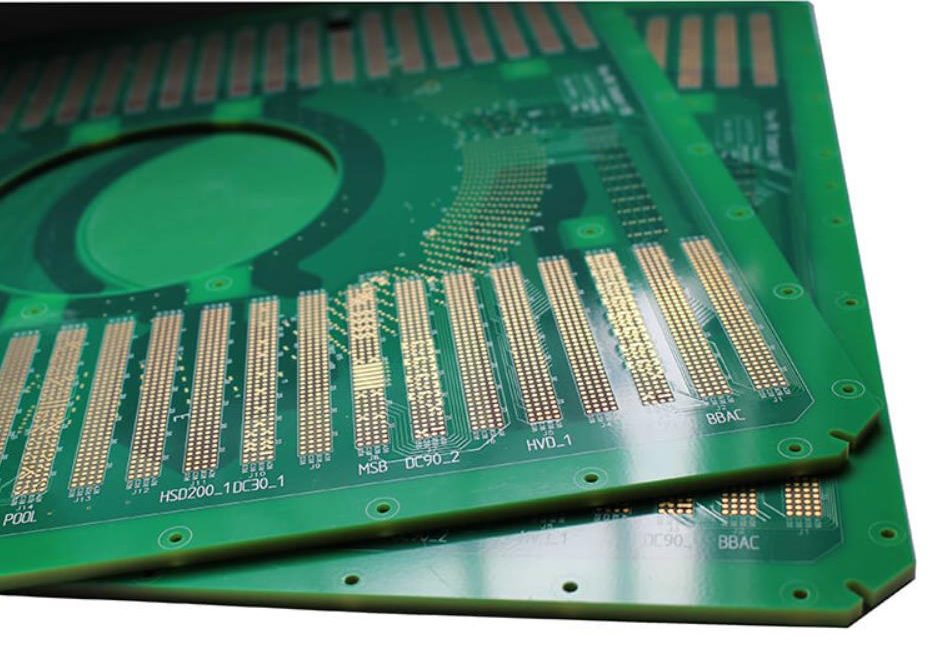
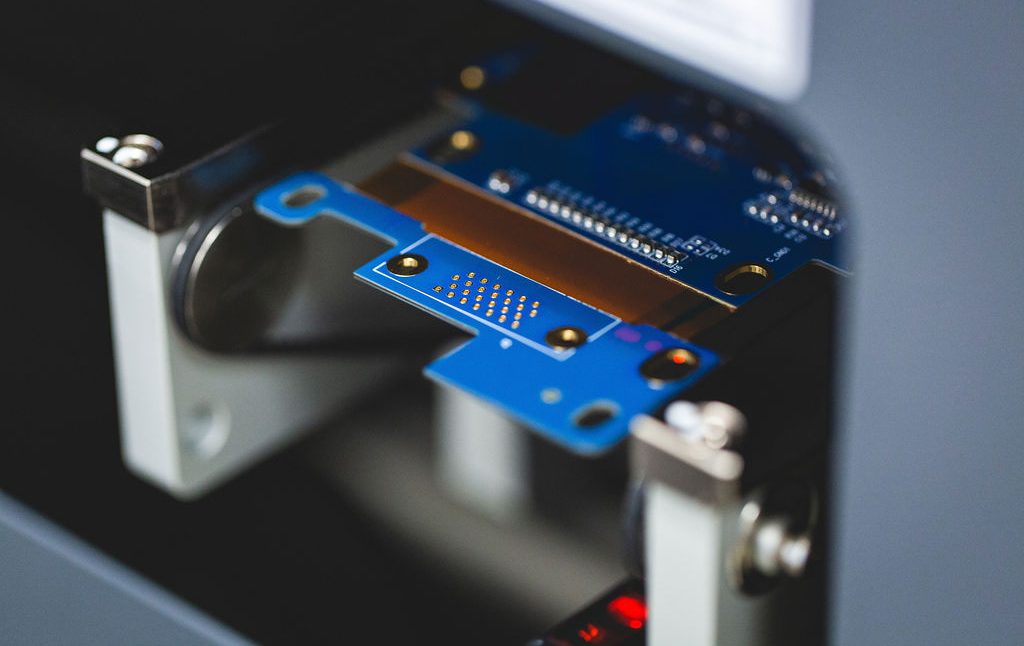
Card Edge Connector Design Guide A card edge connector removes the plug from the design by using the board itself as the contact. The socket springs press directly on pads along the card edge, and the board thickness, the pad position and the plating all become part of the connector…
Hole Wall Pullaway and Plating Adhesion Failure Modes Hole wall pullaway is the separation of the plated copper from the wall of a drilled hole, and it appears after the board has been heated. The hole may look perfect in a microsection taken before assembly and show a clear gap…
Gold Finger: Key Checks Before Release A gold finger is a row of plated contacts along the edge of a board, and the board plugs into a socket the way a card plugs into a computer. The fingers are the whole electrical interface of the product, so their plating, geometry…