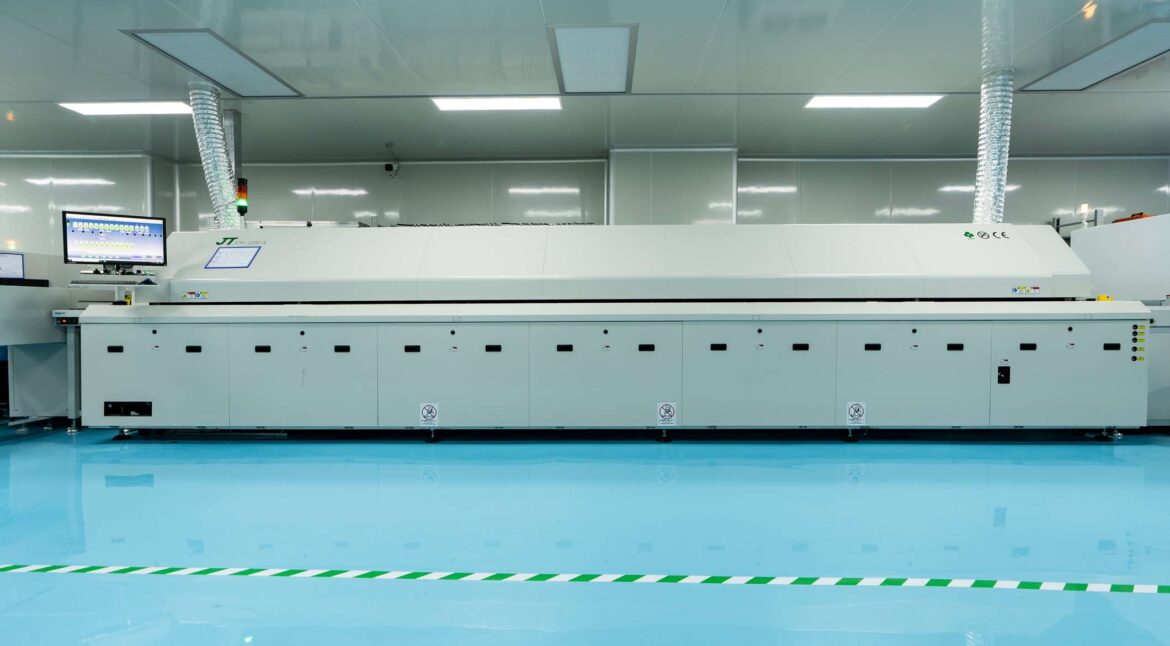
Solder Grain Structure And Cooling Rate A solder joint does not freeze at a single temperature. The alloy solidifies over a range, during which crystals grow from the cooling surface into the liquid, and the size and shape of the resulting grains depend on how quickly the joint was cooled.…

Rigid Flex Stackup Design Guide A rigid flex board carries the electronics on rigid sections and connects them with a flexible region that folds in three dimensions. It removes connectors and cables from a product, and it brings a set of mechanical rules that a conventional board does not have.…
Stencil Step Regions for Paste Volume Control A stencil is a metering device, and a step is what lets one foil meter two different volumes across the same board. Where a panel carries both a 0.5 mm pitch device and a power pad that needs a heavy deposit, a single…
Bare Board Test: Electrical Methods Compared A bare board is tested electrically before any component is mounted, and the test looks for two conditions: a net that should be continuous but is broken, and an isolation failure between two nets that should not touch. The test is performed on every…
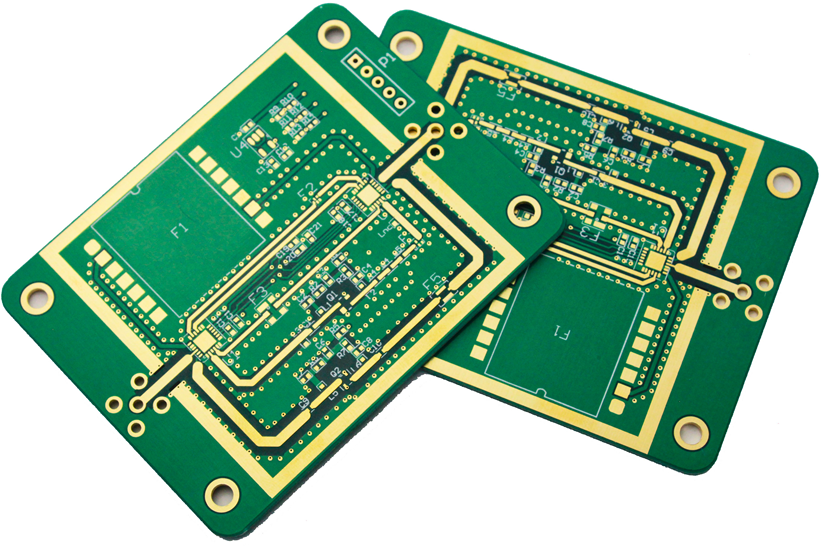
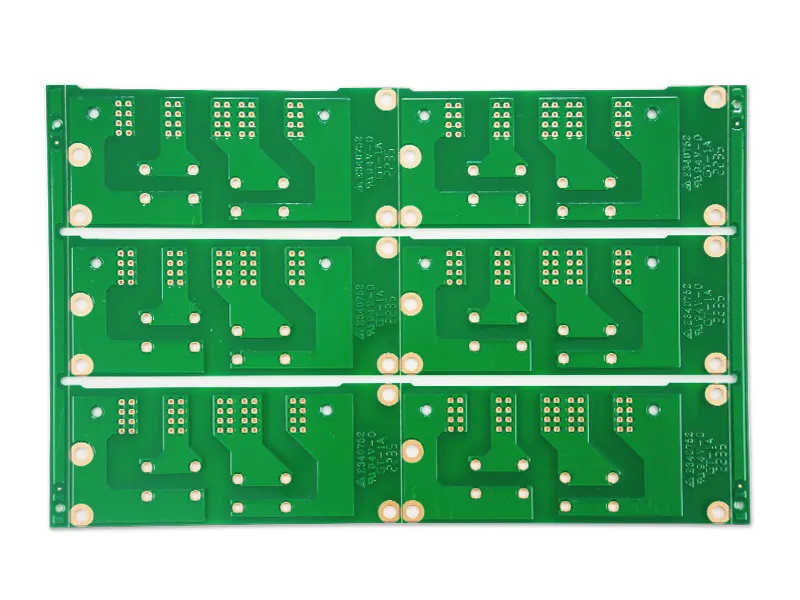
PCB Substrate Color Selection and Its Engineering Effects Board color is one of the first things a customer notices and one of the last things engineers think about, yet the choice touches solder mask chemistry, inspection contrast, curing behavior and occasionally thermal performance. PCB substrate color is really two decisions…
Component Tape and Reel Standards for SMT Feeders Every component that arrives on a reel is presented to the placement machine by the packaging rather than by its own body. The tape positions the part, the pocket protects it and the sprocket holes let the feeder index it, so a…
Common PCB Design Mistakes That Delay Projects Most boards that miss their schedule are not defeated by difficult technology. They are delayed by a handful of avoidable errors that were present in the data when it was released. Cataloguing common PCB design mistakes is therefore not an academic exercise: each…
Embedded Processor Selection Guide for New Products Choosing the processor is the decision that constrains everything else in an embedded product: the board stackup, the power tree, the software effort and the production cost for years to come. Embedded processor selection is often driven by a single impressive number, such…
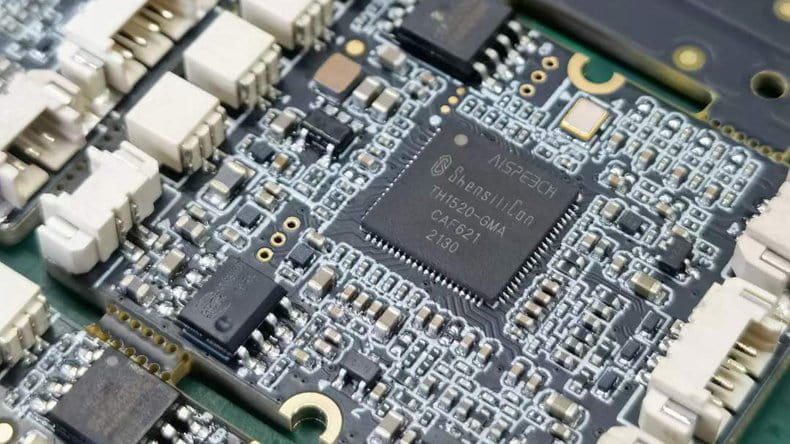
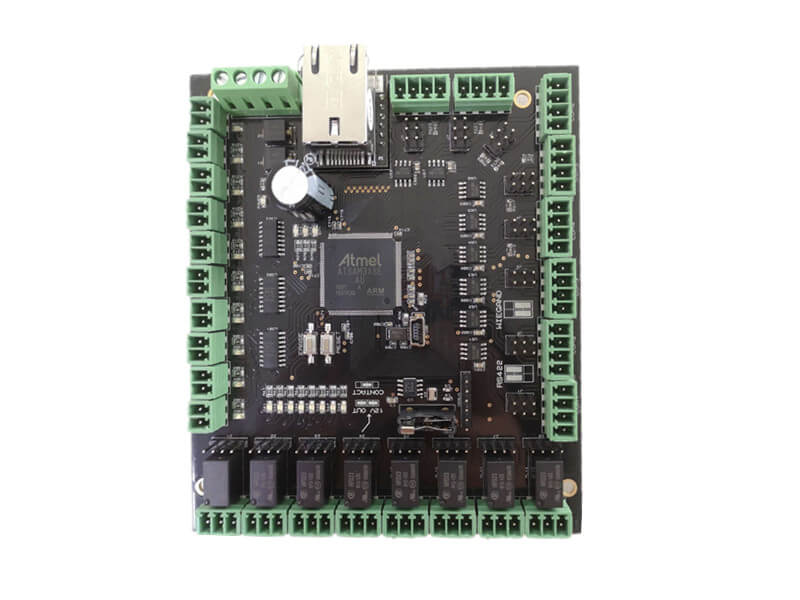
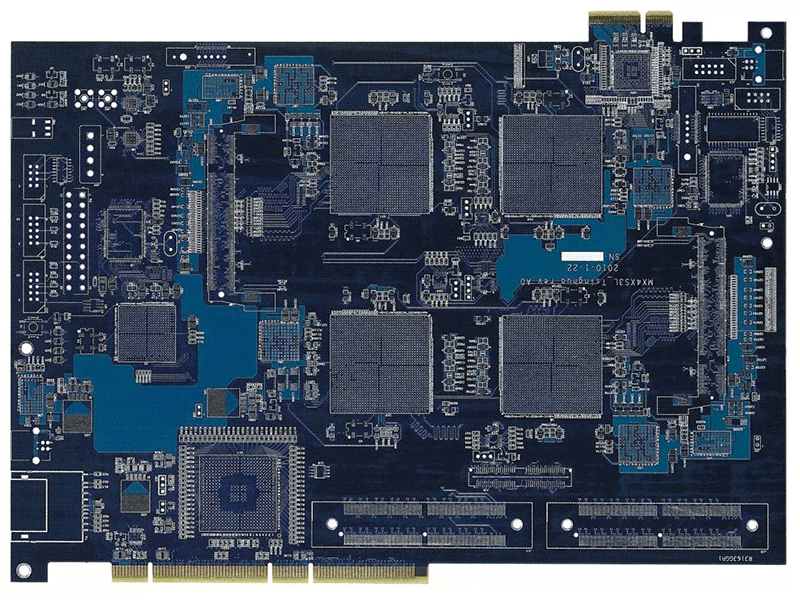
Embedded Processor Board Design for Peripheral Rich Products Once a processor has been selected, the board around it becomes the real engineering problem. A peripheral rich device presents dozens of interfaces, several supply rails, a memory bus and an escape pattern that dictates the stackup. Embedded processor board design for…
Flexible vs Rigid PCB Production Solutions Compared Rigid boards and flexible circuits solve the same electrical problem with different mechanical assumptions, and the production consequences of that difference are larger than most designs allow for. Choosing between a flexible vs rigid PCB is not a matter of preference: it depends…