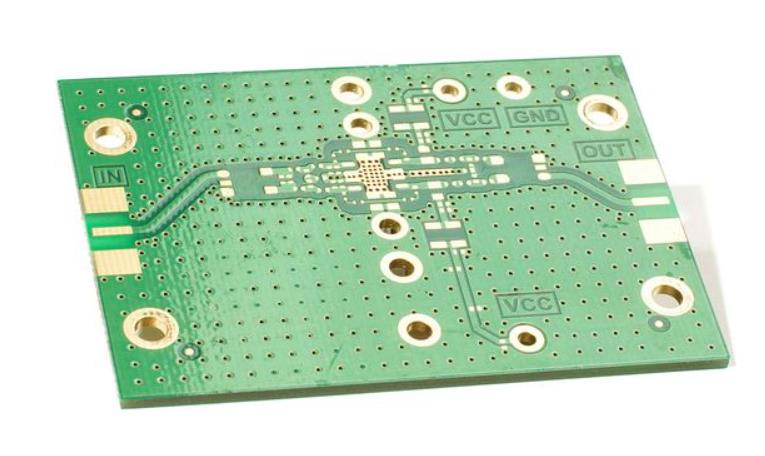
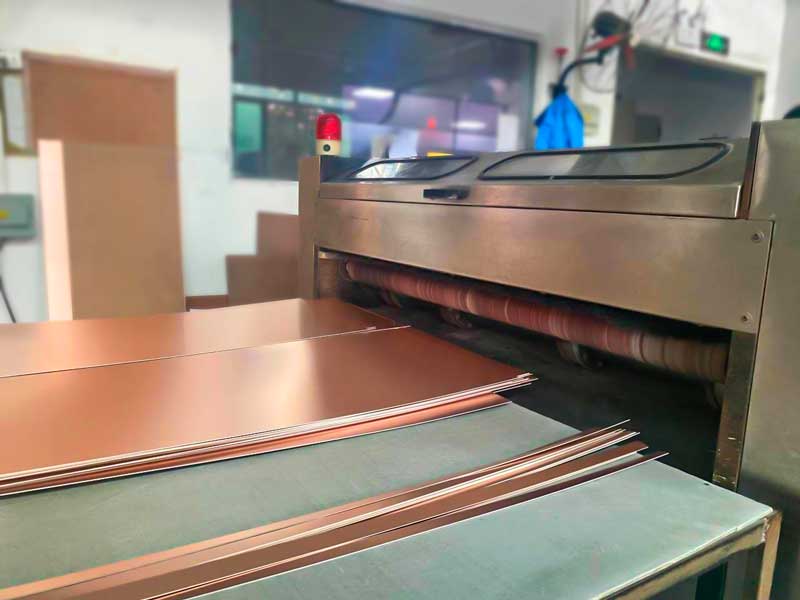
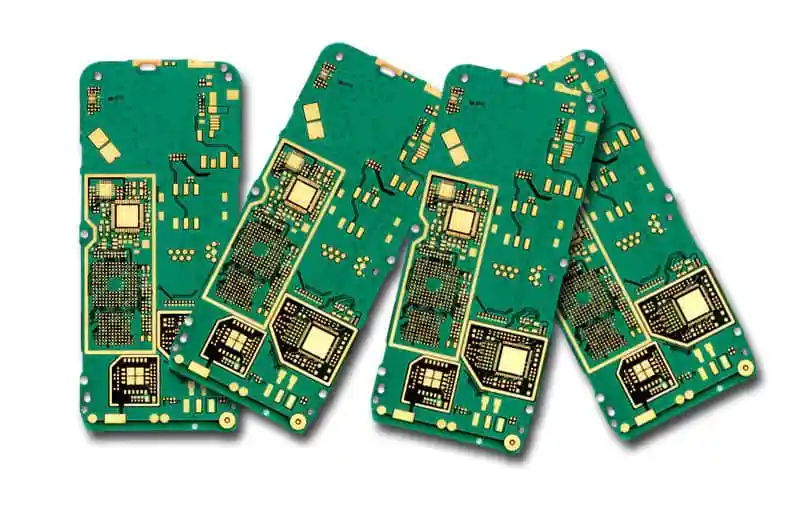
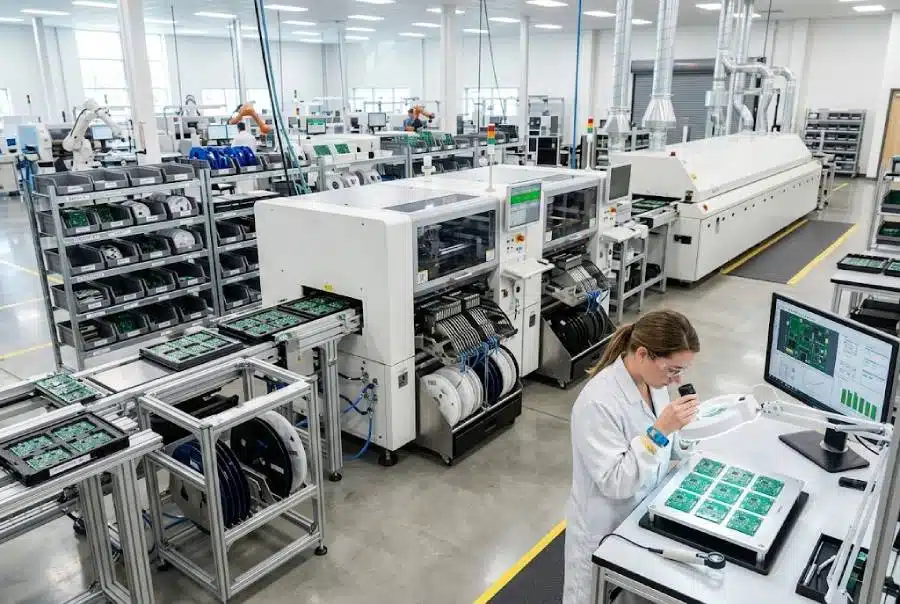
High Tg and High CTI Laminate Selection and CAF Prevention in Power PCB Design In industrial power applications with high temperature, high humidity, high voltage, and strong pollution, the reliability of PCB Design directly determines the service life of the entire machine. Typical scenarios include photovoltaic inverter main control boards,…
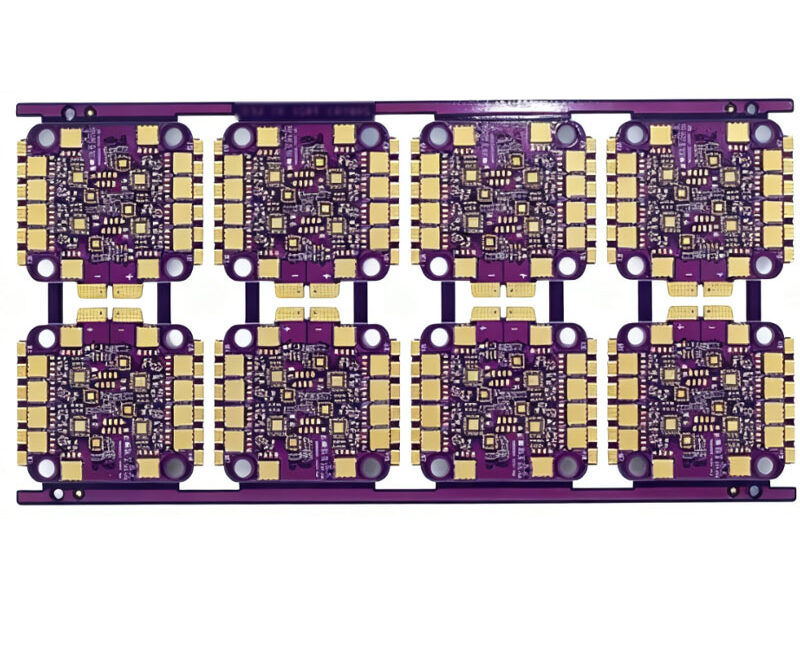
Low Skew Clock Buffer Fanout And Output Termination A backplane that carries several cards, each with its own processor and its own reference clock, needs a distribution device that can drive many differential pairs with almost no difference in delay between them. The buffer is chosen on three figures: how…
LVPECL Differential Oscillator Design Notes A differential oscillator drives a clock as a pair of complementary signals rather than as a single ended logic level. The receiver looks at the difference, so any noise that couples equally into both conductors cancels instead of appearing as timing error. That property is…
BGA Reballing Practice, Stencil Choice and Inspection Reballing a ball grid array package is one of the more demanding rework tasks in electronics assembly, because every ball is a joint and there may be several hundred of them on a package only a few millimetres square. It is done to…
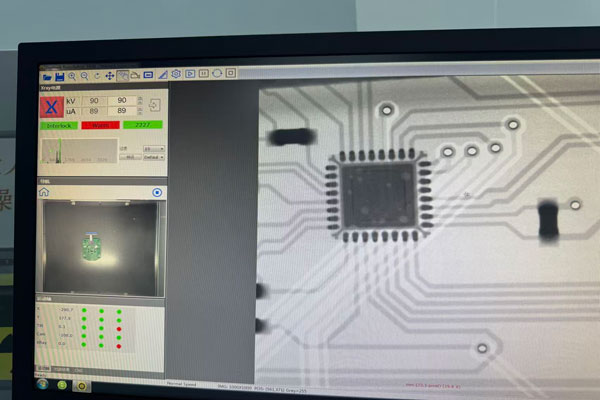
PCB X Ray Inspection Angle: Looking From the Side Electronics manufacturing has become a discipline of small details. Solder paste volumes, placement accuracy, temperature profiles and inspection limits all add up to the final result. This guide looks at PCB X ray inspection angle from the perspective of a PCBA…
PCB Cross Section Lab Setup: Cutting Boards Properly Electronics manufacturing has become a discipline of small details. Solder paste volumes, placement accuracy, temperature profiles and inspection limits all add up to the final result. This guide looks at PCB cross section lab setup from the perspective of a PCBA factory…
PCB Tombstone Prevention: Keeping the Part Flat Electronics manufacturing has become a discipline of small details. Solder paste volumes, placement accuracy, temperature profiles and inspection limits all add up to the final result. This guide looks at PCB tombstone prevention from the perspective of a PCBA factory floor, covering preventing…
PCB Silkscreen Ink Adhesion: Printing That Stays Put Modern electronics depend on boards that are assembled correctly the first time. Every product – a phone, a charger, a medical instrument or an industrial controller – relies on thousands of solder joints that must conduct current for years. This article explains…
Threaded Fasteners: Torque, Inserts and Clamp Load A threaded fastener looks like a trivial component and is one of the most common causes of a field failure. The joint either loosens, strips, or crushes what it is holding, and the cause is almost always that the torque was chosen by…
PCB SPI Program Setup: Teaching the Printer Buyers and engineers often focus on the finished product and forget the production line behind it. In practice, most field failures can be traced back to process decisions made during assembly. Understanding PCB SPI program setup gives you a practical advantage when you…