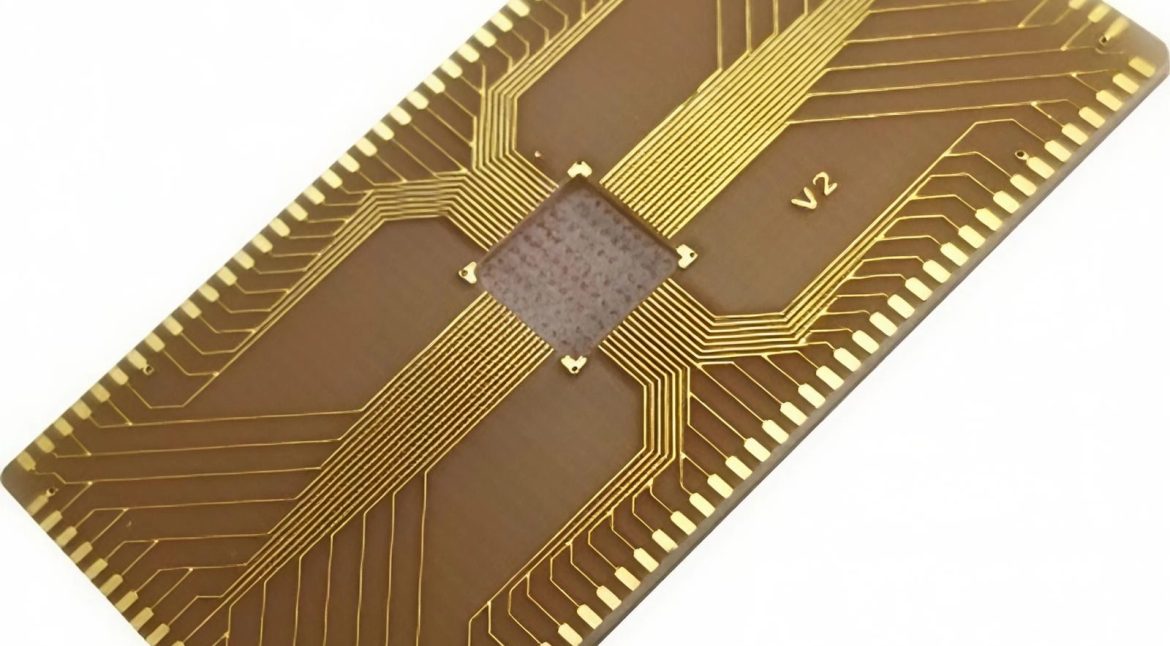
Printed Electronics: Conductive Inks on PCB Substrates Printed electronics builds circuits by depositing functional materials rather than by etching copper away. A conductive ink is laid down in the required pattern, cured, and the result conducts. The approach removes the etching, plating and lamination steps of conventional fabrication, which makes…
Triac AC Load Switching Circuit Design A triac switches an alternating load the way a relay does, but with no contacts to arc and no coil to drive. It also behaves quite differently from a relay: it latches on until the current falls to zero, it needs a gate pulse…
Fuse and Protection Selection on a Board A fuse is a simple part that is frequently chosen badly. It has to pass the normal current without nuisance operation, interrupt the fault current without exploding, and coordinate with the rest of the protection. The Two Ratings The current rating is the…
PCB Quote Preparation: Turning a Drawing into a Price Buyers and engineers often focus on the finished product and forget the production line behind it. In practice, most field failures can be traced back to process decisions made during assembly. Understanding PCB quote preparation gives you a practical advantage when…
PCB Net Class Setup: Grouping the Rules Electronics manufacturing has become a discipline of small details. Solder paste volumes, placement accuracy, temperature profiles and inspection limits all add up to the final result. This guide looks at PCB net class setup from the perspective of a PCBA factory floor, covering…
Copper Migration In FPC Flex Circuits A flex circuit that passes its first test can still fail in the field months later because of a process that leaves no mark at assembly. Copper from the conductors dissolves, moves under the influence of an electric field and moisture, and deposits as…
Power Sequencing and Ramp Control on a Board A board with several supply rails must bring them up in an order that the devices can tolerate. Where the order is wrong, a device can be damaged before the firmware has a chance to run, and the damage may not appear…
Computed Tomography for PCB and Solder Joint Analysis Conventional X-ray inspection produces a shadow image, and everything in the beam path is superimposed. A BGA solder ball on the top side hides the joint on the bottom side, and a plated barrel is flattened into a dark line. Computed tomography…
Alumina Ceramic Substrate Fabrication Step By Step An alumina ceramic substrate is made in a sequence that has more in common with a chemical process than with printed circuit fabrication. The conductor is not etched from a copper foil; it is printed from a metal paste onto a green ceramic…
Connector Ratings and Derating: Current, Temperature and Mating A connector that is rated for five amps per contact does not deliver five amps in every application. The rating assumes a set of conditions, and where the conditions differ the rating must be derated. What the Rating Assumes A current rating…