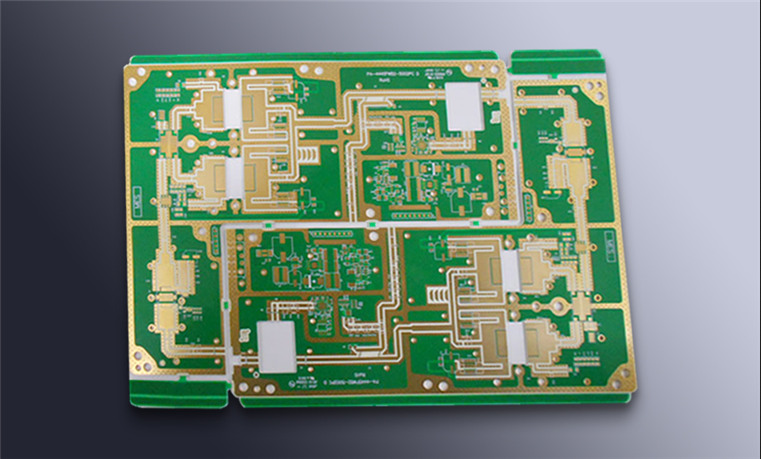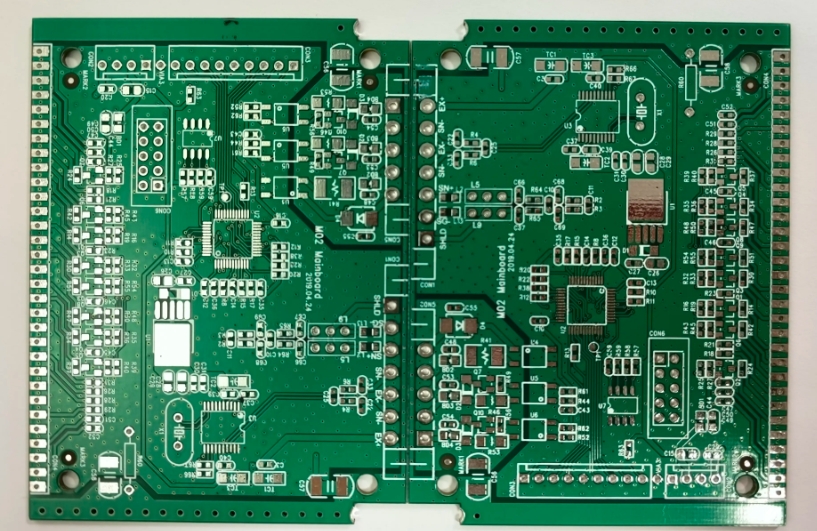
PCB 5 Why Analysis: Asking Again and Again Electronics manufacturing has become a discipline of small details. Solder paste volumes, placement accuracy, temperature profiles and inspection limits all add up to the final result. This guide looks at PCB 5 why analysis from the perspective of a PCBA factory floor,…

PCB Microvia Design Rules: Small Holes, Short Reach Electronics manufacturing has become a discipline of small details. Solder paste volumes, placement accuracy, temperature profiles and inspection limits all add up to the final result. This guide looks at PCB microvia design rules from the perspective of a PCBA factory floor,…

Assembly Cost Drivers: What Actually Moves the Price Quotations for an assembly are often compared line by line, which is the least informative way to compare them. The number that moves the price is usually the one that is not broken out: the yield, the test time and the panel…
Hot Swap Controller and Inrush Limiting Plugging a board into a live backplane is an electrical event, not just a mechanical one. The bulk capacitance on the new board charges from the backplane in a few microseconds, and the current that flows is limited only by the impedance of the…
Drop Test for Board Level Assemblies: Setup and Failure Modes A drop test reproduces the mechanical shock a product sees when it is dropped, and at board level it is used to compare designs, materials and processes rather than to certify a finished product. The test is short, the equipment…
From Prototype to Production: What Changes and What Breaks A design that passes its prototype build has demonstrated that it can work. Getting it to work the same way a thousand times is a different problem, and the differences are usually not in the circuit. What Changes With Volume The…
PCB Back Drilling Depth: Removing the Stub Buyers and engineers often focus on the finished product and forget the production line behind it. In practice, most field failures can be traced back to process decisions made during assembly. Understanding PCB back drilling depth gives you a practical advantage when you…
Line Changeover: Design Rules and Process Limits A line changeover is the interval between the last good board of one product and the first good board of the next, and in a high mix environment it is often the largest single component of lost capacity. The changeover is also where…
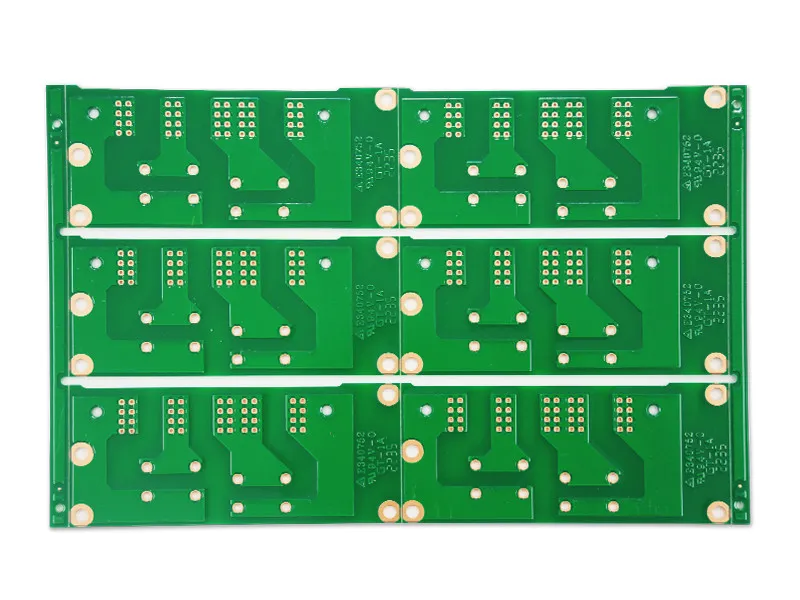
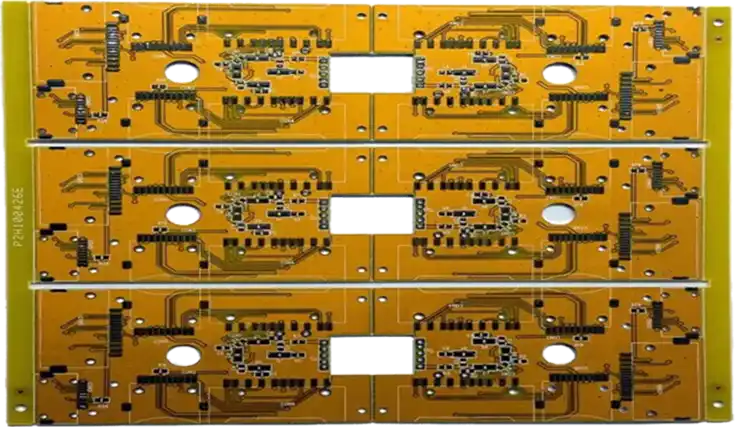
PCB Panelization Method: Many Boards in One Modern electronics depend on boards that are assembled correctly the first time. Every product – a phone, a charger, a medical instrument or an industrial controller – relies on thousands of solder joints that must conduct current for years. This article explains PCB…
PCB Preventive Action: Stopping the Repeat Modern electronics depend on boards that are assembled correctly the first time. Every product – a phone, a charger, a medical instrument or an industrial controller – relies on thousands of solder joints that must conduct current for years. This article explains PCB preventive…