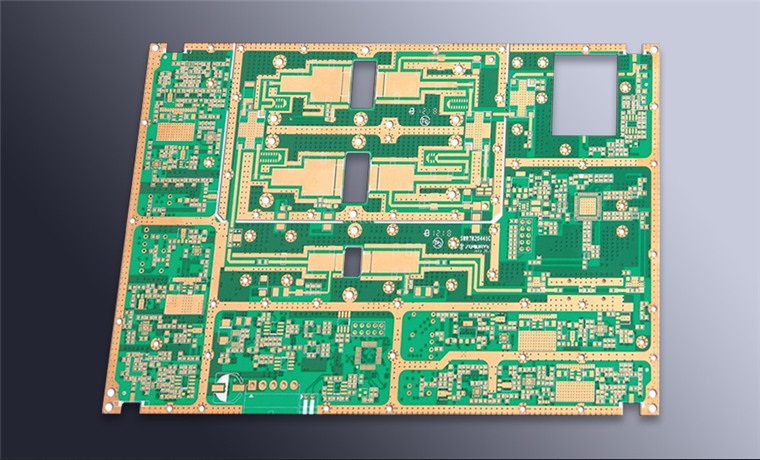
Gerber Files and Prototype Data: What to Send a Fabricator Most delays on a prototype order are not caused by the fabrication itself. They are caused by a file package that needs clarification, and every question from the fabricator costs a day. Sending a complete, self-consistent set of Gerber files…
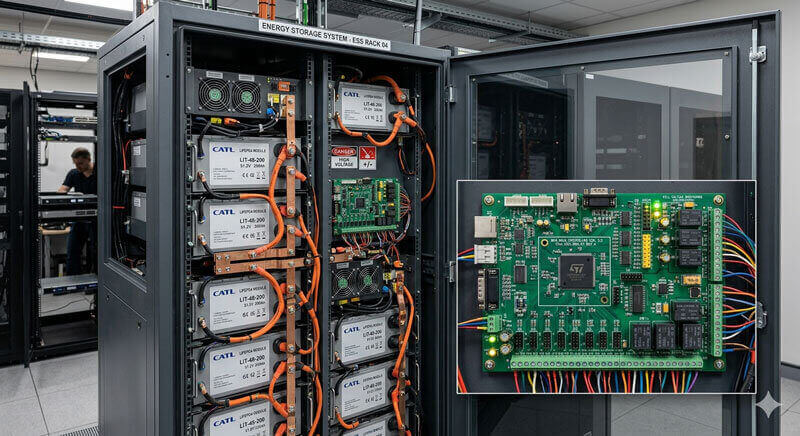
PCB Watchdog Circuit: A Timer That Resets Buyers and engineers often focus on the finished product and forget the production line behind it. In practice, most field failures can be traced back to process decisions made during assembly. Understanding PCB watchdog circuit gives you a practical advantage when you choose…
PCB Clock Distribution: Getting the Clock Everywhere Buyers and engineers often focus on the finished product and forget the production line behind it. In practice, most field failures can be traced back to process decisions made during assembly. Understanding PCB clock distribution gives you a practical advantage when you choose…
Utilisation: Reading a PCB Quotation: Where the Cost Comes From An invoice for a printed circuit board is a statement of a process, and a designer who can read it can tell where the cost has been incurred and what to change. The breakdown is not usually itemised, and the…
Copper Pours: Stitching, Islands and Thermal Relief Copper pours are used on almost every board and understood on almost none. A pour that is connected at one point behaves as an antenna, one that is connected everywhere behaves as a plane, and the difference between the two is decided by…
PCB Material Selection: Choosing PCB Materials: FR4, Ceramic or Metal Core Most boards are made from FR4 because the material is cheap, well understood and available in a wide range of thicknesses, copper weights and glass transition temperatures. The exceptions arise when one property becomes the binding constraint: heat that…
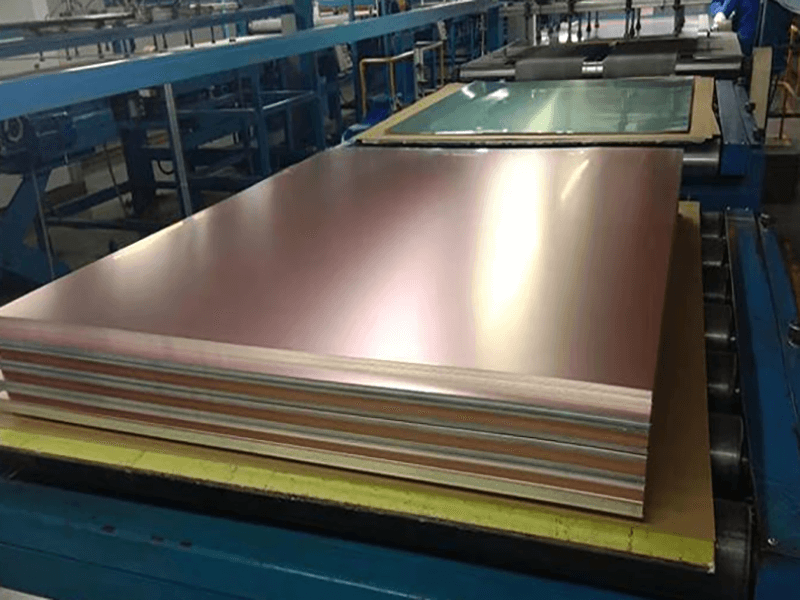
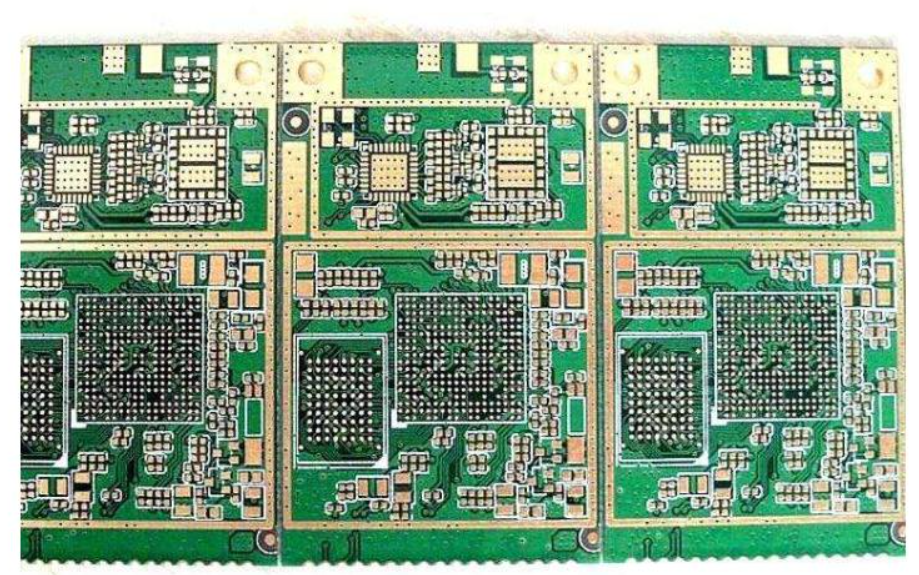
PCB Material Utilisation and Panel Yield Improvement Laminate is one of the few costs in PCB fabrication that scales directly with the area you order. A panel that wastes twenty percent of its sheet pays for that waste on every unit, and the penalty repeats for the life of the…
Wearable PCB Design for Medical Devices: Flex and Power A wearable medical device has to be small, comfortable, electrically safe against the skin and able to run for days on a battery the size of a fingernail. Those requirements pull in different directions, and the board is where the compromise…
PCB Y Capacitor Placement: Line to Earth Modern electronics depend on boards that are assembled correctly the first time. Every product – a phone, a charger, a medical instrument or an industrial controller – relies on thousands of solder joints that must conduct current for years. This article explains PCB…
PCB Soft Start Circuit: Coming Up Slowly Buyers and engineers often focus on the finished product and forget the production line behind it. In practice, most field failures can be traced back to process decisions made during assembly. Understanding PCB soft start circuit gives you a practical advantage when you…