Aluminium Nitride Substrate: Key Checks Before Release When a power stage has to move a large amount of heat through a thin, electrically insulating layer, the material that does the job is usually a ceramic. Aluminium oxide has served that role for decades, but as switching devices based on silicon…
PCB X Capacitor Selection: Across the Line Buyers and engineers often focus on the finished product and forget the production line behind it. In practice, most field failures can be traced back to process decisions made during assembly. Understanding PCB X capacitor selection gives you a practical advantage when you…
PCB Mains Input Protection: The First Part of the Board Electronics manufacturing has become a discipline of small details. Solder paste volumes, placement accuracy, temperature profiles and inspection limits all add up to the final result. This guide looks at PCB mains input protection from the perspective of a PCBA…
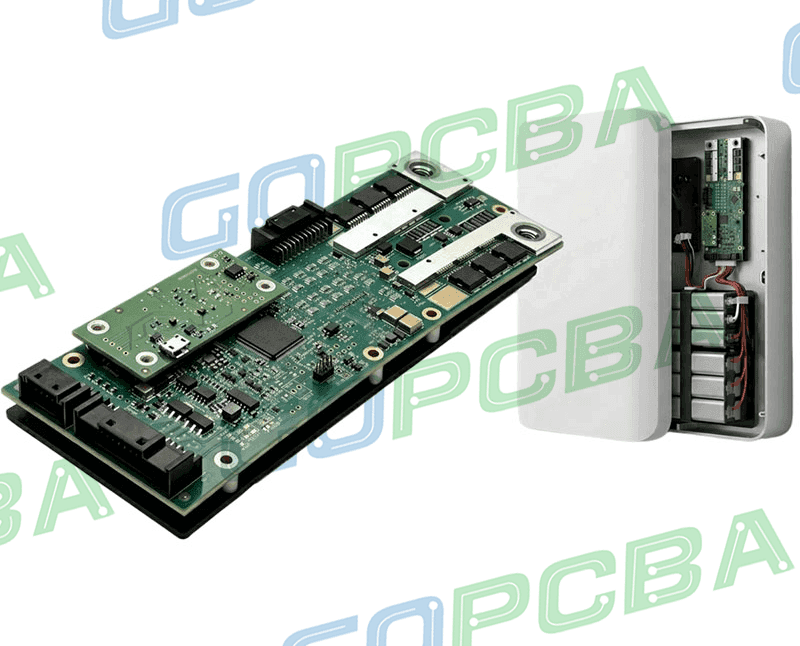
HDI Boards For Energy Storage Systems: A Selection Guide Energy storage systems are unusual in that they combine three demands that normally pull a design in different directions: high frequency communication, large currents, and a service life measured in decades outdoors. A battery management controller has to sample cells continuously,…
Pulse Plating Through Holes in Ceramic Substrates Plating a hole through a ceramic substrate is a different problem from plating a hole through a glass reinforced epoxy board. There is no resin to absorb the chemistry, no drilled barrel with a rough surface to key into, and no way to…
Return Via: Via Design for High Speed Channels Vias are the cheapest way to connect layers and the most expensive way to ruin a high speed channel, because the same feature that provides the connection also introduces a discontinuity. Designing them deliberately rather than by default is what separates a…
Revision Control: Documentation Discipline for PCB Projects A printed circuit board is a document as much as it is a product, and the quality of the documentation determines whether the board can be built again in three years. The disciplines that make that possible are simple and they are usually…
Solder Paste Jet Printing for High Mix SMT Production Solder paste jet printing applies paste directly to the pads from a dispensing head, with no stencil, no squeegee, and no printing stroke. It was once a niche tool for prototypes, but as high-mix production has become normal, the ability to…
Immersion Silver Finish: Defects and How to Prevent Them Immersion silver is the surface finish that offers the solderability of gold at a fraction of the cost, and it does so with a layer measured in fractions of a micron. That thinness is the source of both its advantages and…
PCB Class 2 Insulation: A Second Layer of Protection Buyers and engineers often focus on the finished product and forget the production line behind it. In practice, most field failures can be traced back to process decisions made during assembly. Understanding PCB class 2 insulation gives you a practical advantage…