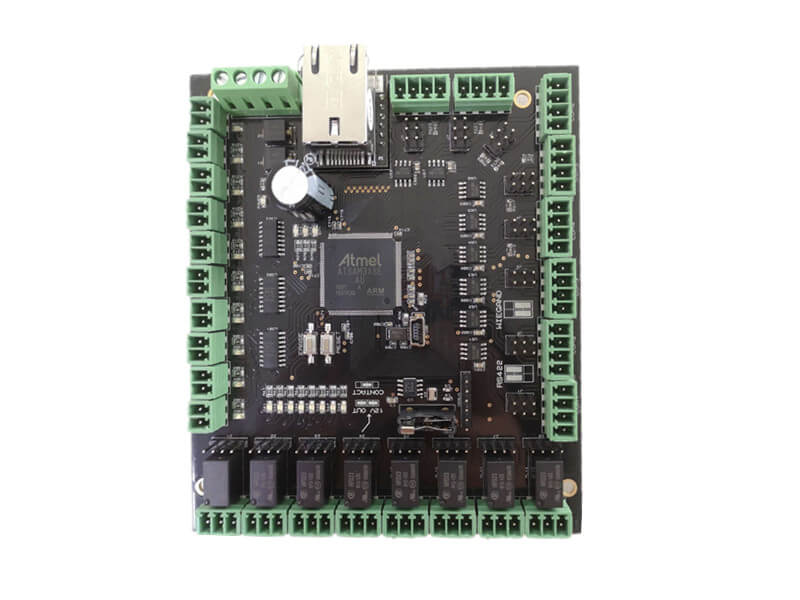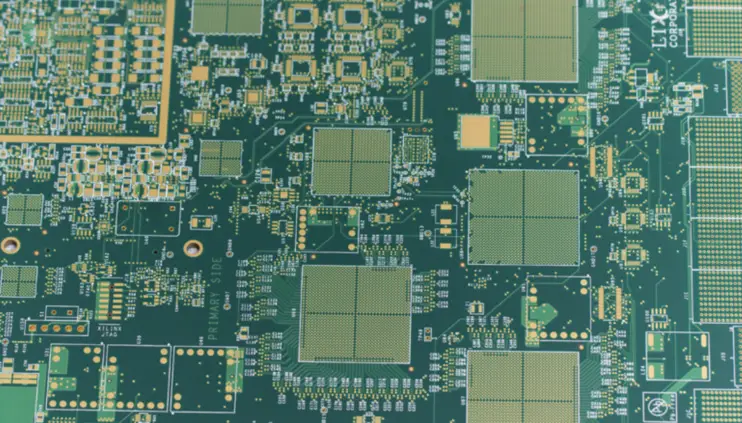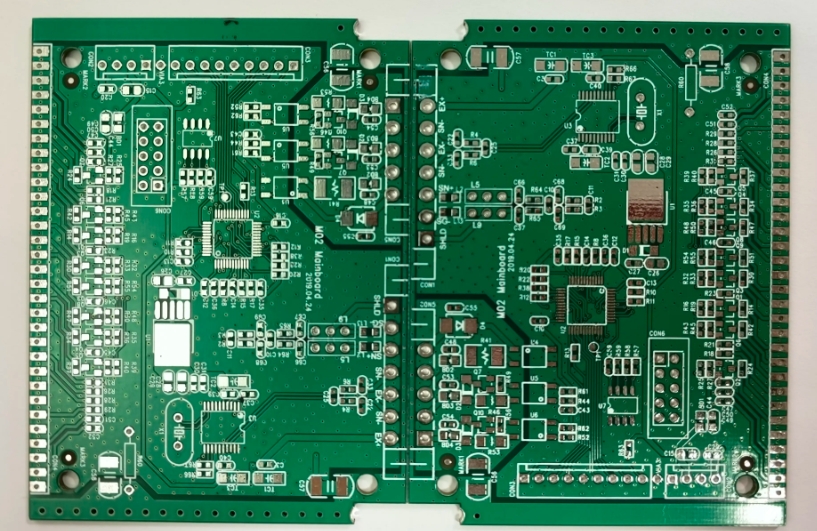
PCB Safety Isolation Distance: Two Sides That Must Not Touch Modern electronics depend on boards that are assembled correctly the first time. Every product – a phone, a charger, a medical instrument or an industrial controller – relies on thousands of solder joints that must conduct current for years. This…

Reflow Oven Maintenance and Zone Calibration Guide A reflow oven is treated as a fixed asset: the profile was qualified years ago and the machine has run ever since. In reality, heaters age, thermocouples drift, blowers lose efficiency, and flux accumulates on the internals until the thermal environment no longer…
Board To Board Connector: Board to Board Interfaces: Connectors and Return Paths Where a board has to be connected to another board, the interface between them is where most of the problems appear. The mechanical connection, the impedance of the link and the return path all have to be designed…
Dead Copper in PCB Layout: Remove It or Keep It? Dead copper is the copper left on a layer that no longer connects to any net. It appears wherever a pour is cut into isolated fragments by clearance, keepouts or traces, and it is usually removed automatically. The question worth…
Ceramic Substrates in Humanoid Robot Compute and Drive A humanoid robot concentrates an unusual combination of requirements into a small volume. It carries server grade compute for perception and motion planning, dozens of motor drives that draw high current in bursts, and a set of precision sensors whose signals are…
PCB Switching Regulator Layout: Where the Loop Goes Buyers and engineers often focus on the finished product and forget the production line behind it. In practice, most field failures can be traced back to process decisions made during assembly. Understanding PCB switching regulator layout gives you a practical advantage when…
Footprint: Pre-Prototype Review: The Checks That Save a Week The first prototype is the most expensive board a project will ever build, not because of its price but because of what a delay at that stage costs. Reviewing the design before the prototype removes most of the reasons a first…
Ingress Protection: Industrial PCB Design Requirements Beyond the Circuit A board that is designed for a factory floor is different from one designed for a laboratory, and the differences are not in the electronics. They are in the mechanical protection, the temperature range, the serviceability and the documentation that allows…
PCB Flyback Transformer Selection: The Heart of the Supply Electronics manufacturing has become a discipline of small details. Solder paste volumes, placement accuracy, temperature profiles and inspection limits all add up to the final result. This guide looks at PCB flyback transformer selection from the perspective of a PCBA factory…
Thermal Stress Screening and Burn-In for Assembled Boards Some failures appear in the first few hours of operation rather than after years in the field. Thermal stress screening exists to force those early failures to happen in the factory, where they can be analysed and corrected, instead of at a…