



Derating: Component Selection Beyond the Datasheet Selecting a component is a design decision that continues past the datasheet, because the part has to be placed, soldered, inspected and purchased. Each of those adds a constraint that the electrical specification does not capture. Package and Footprint The package determines the footprint,…
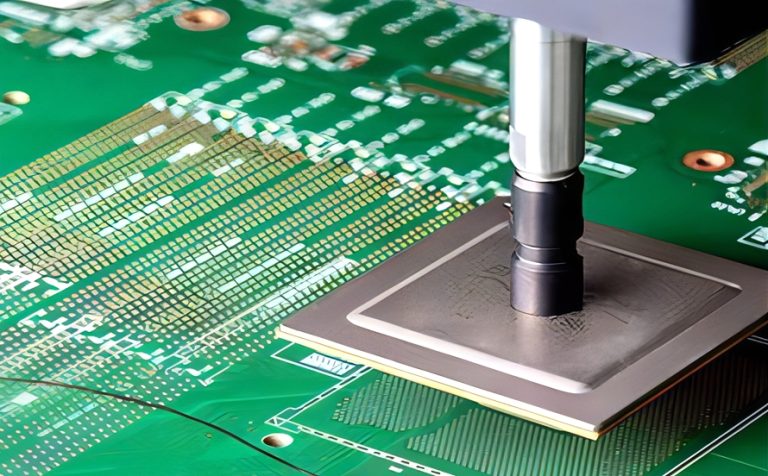
Rigid-Flex PCB Design: Stack-Up, Materials and Transition Zones When a product needs a board-to-board connection that survives repeated movement, the choice is usually between a cable assembly, a flex circuit with connectors at both ends, and a rigid-flex board where the flexible layers are part of the same laminated stack…
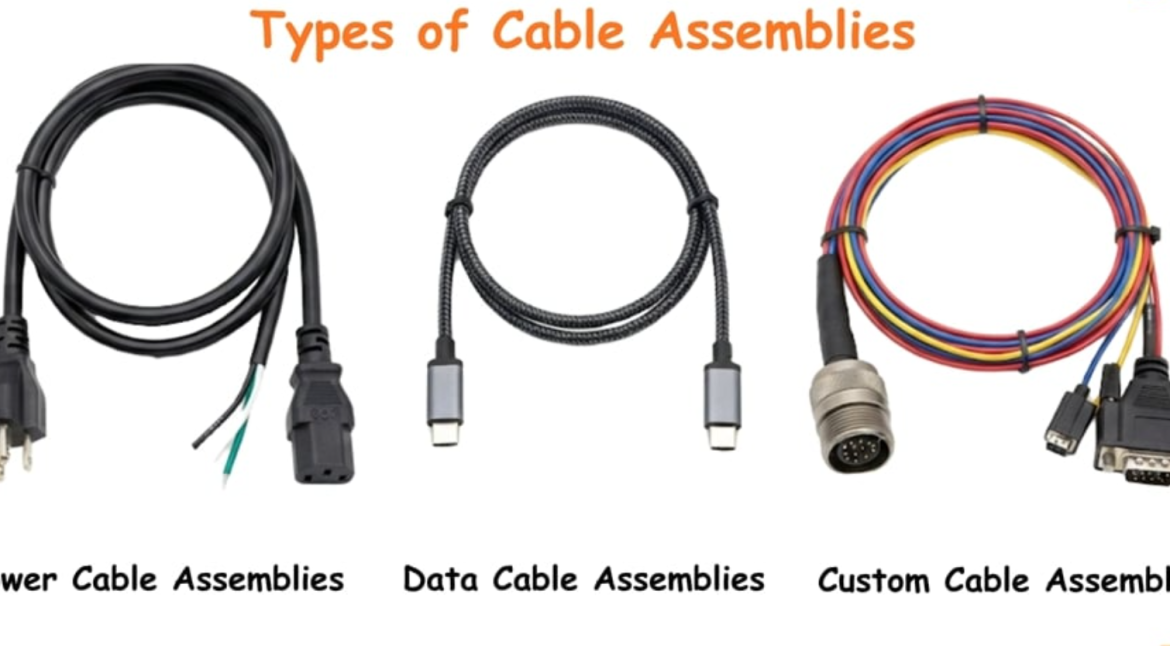
Depanelisation Methods and Breakaway Tab Design A board that has to be depaneled is at its most vulnerable during the separation, because the force applied to break a tab is transmitted into the material around it. Designing the depanelisation step is therefore part of designing the board. Routing, Scoring and…
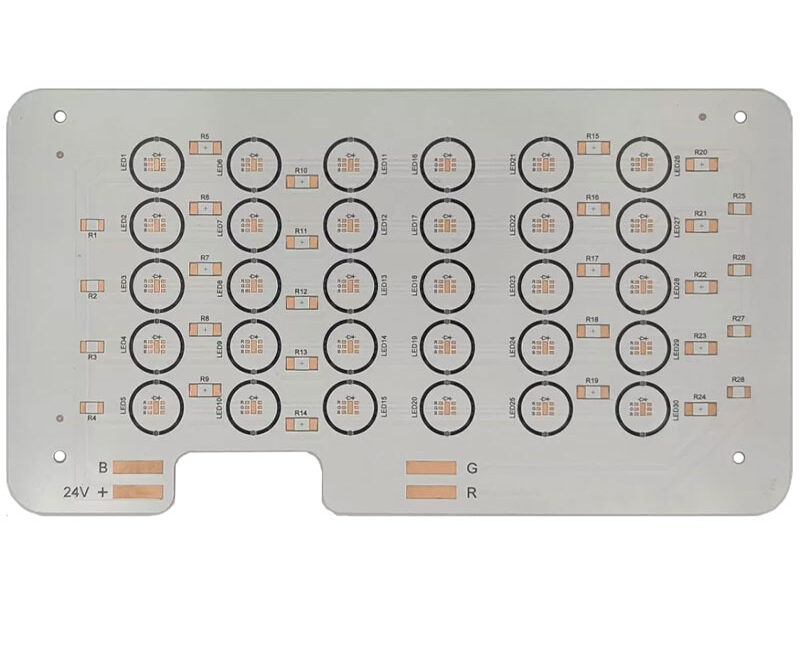
AQL Sampling Plans for PCB and PCBA Acceptance Checks No fabrication shop inspects every feature of every board, and no customer expects it. Instead, both sides agree on how many units to examine, what to look for, and how many defects are too many. That agreement is a sampling plan,…
Why Metal Core Thermal Conductivity Measurements Differ Two suppliers quote the same dielectric thermal conductivity for their metal core laminates and the finished boards perform differently. The discrepancy is not necessarily dishonesty; it is usually a difference in what was measured and how. Thermal conductivity of a thin bonded layer…
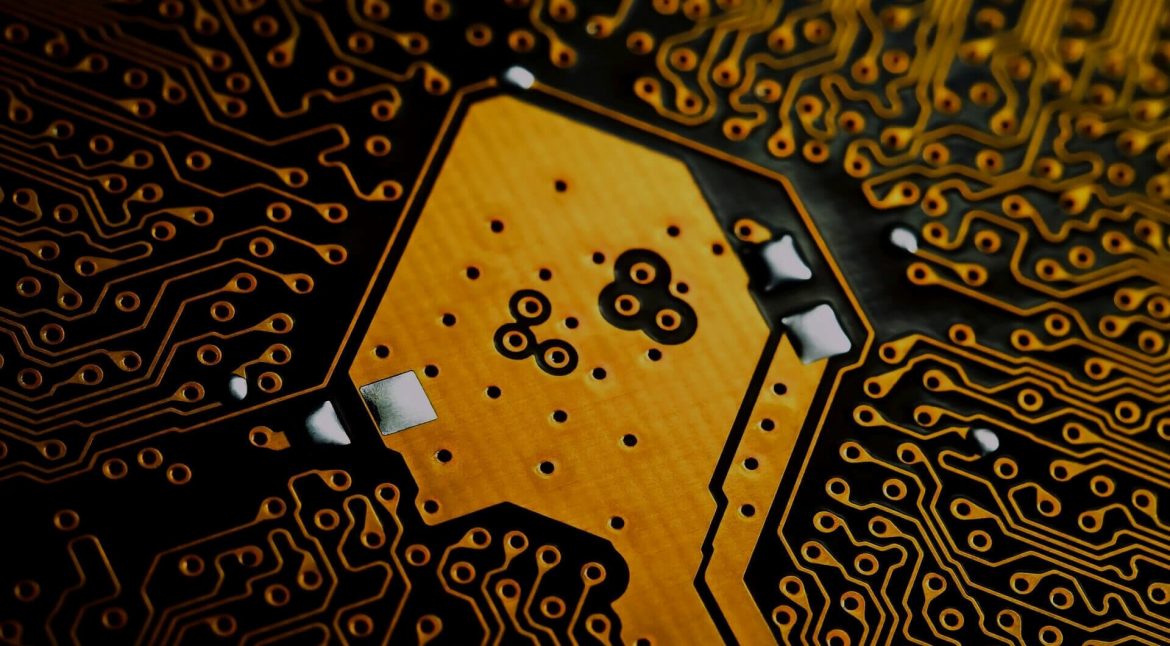
PCB Failure Analysis: Working From the Mechanism Boards fail in the field for a small number of reasons, and most of them are present in the design long before the failure occurs. A failure analysis that begins with the mechanism rather than with the component reaches the cause faster. Start…
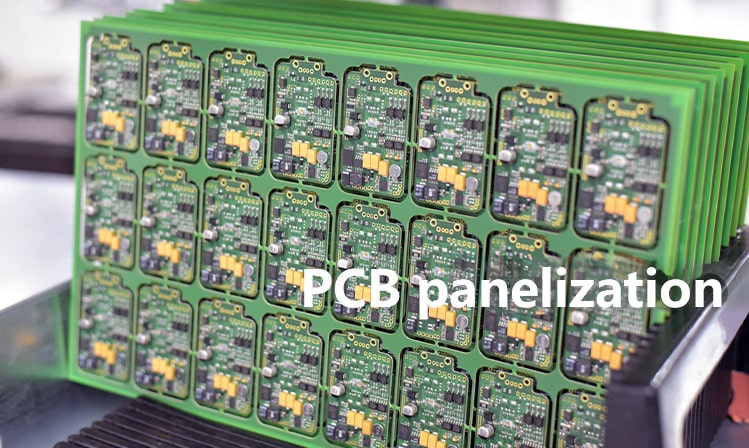
Plated Through Hole Soldering: Wave, Selective and Reflow Through hole parts never disappeared. Connectors, transformers, relays and power devices are still mounted through the board, because a plated through hole gives mechanical strength and a solder joint that can be inspected from both sides. The challenge is that wave soldering,…
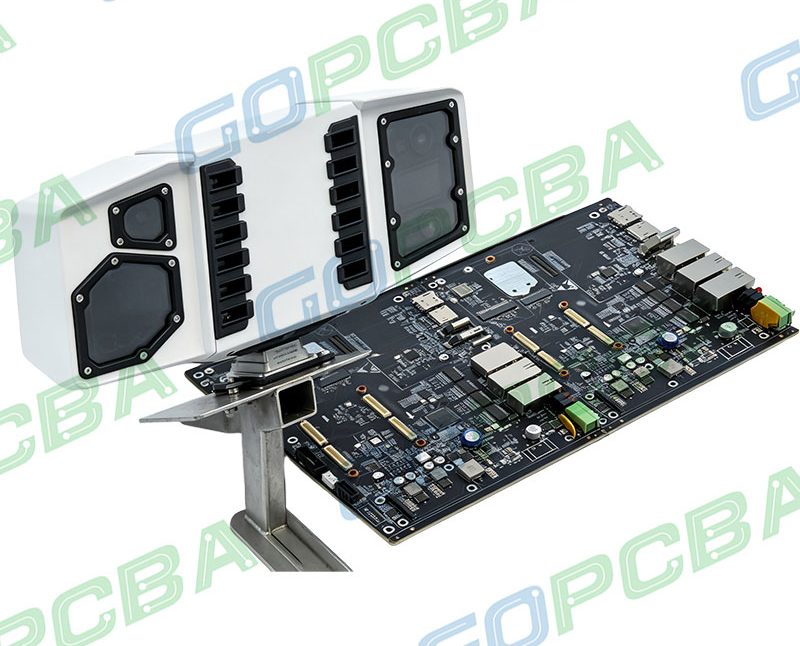
PCB Repair Techniques: Pads, Traces and Components PCB repair is the discipline of returning a board to service without making it worse. That sounds modest, and it is the whole difficulty: the operation that replaces a failed component can lift a pad, damage a neighbouring part or leave a joint…
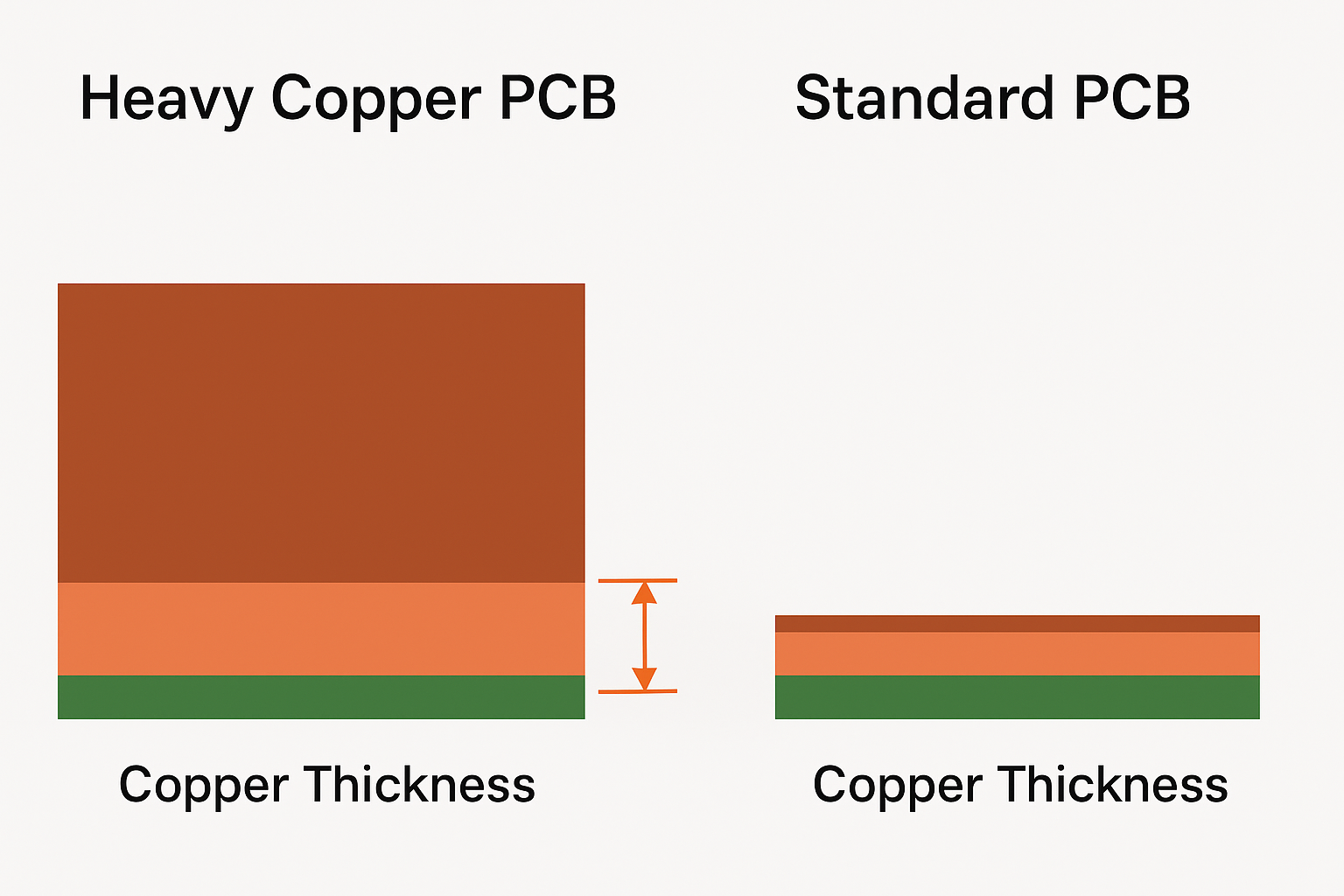
Metal Core PCB: Structure, Types And Where Each Fits A metal core board replaces the usual glass reinforced laminate with a metal plate, usually aluminium, covered by a thin dielectric layer and a copper circuit. It exists for one reason: to move heat away from a component that would otherwise…
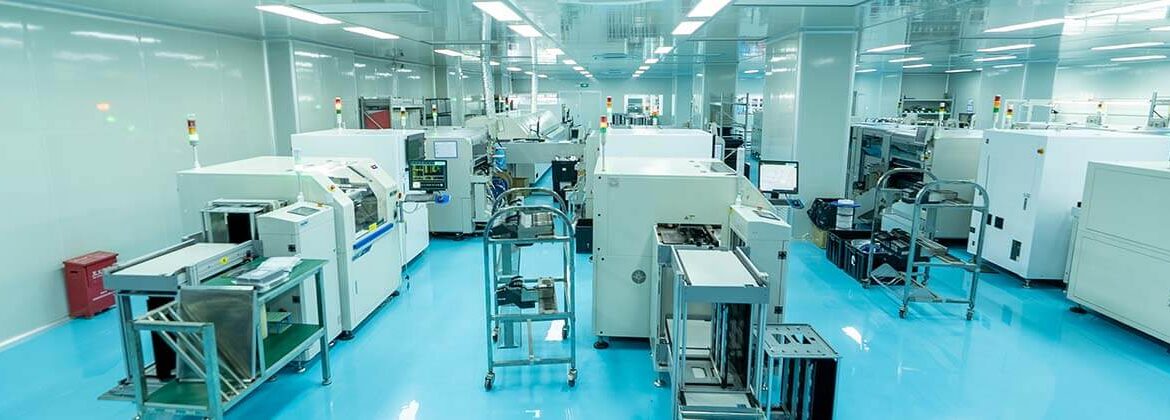
Component Polarity Verification in SMT Assembly Lines A reversed diode or an inverted electrolytic capacitor can turn a working design into a returned product, and the error is easy to make because many components look symmetric from above. Polarity control is a chain: the library defines it, the silkscreen explains…
