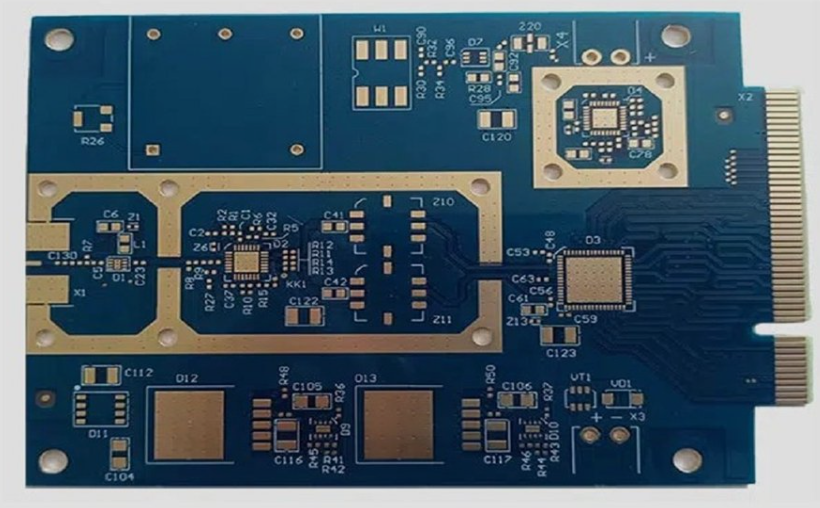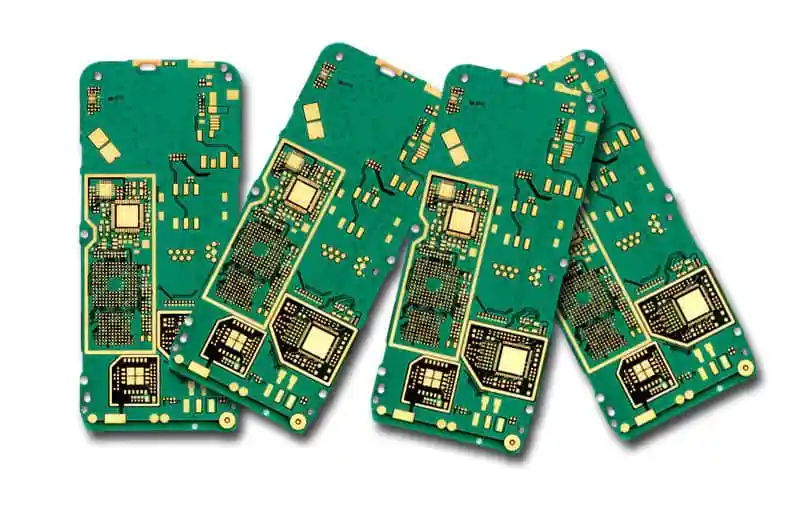
First Article Inspection: Design Rules and Process Limits First article inspection is the point at which the first production board is measured against the drawing rather than against expectations, and it is the cheapest opportunity in the whole program to find a discrepancy. Skipping it moves the discovery to a…
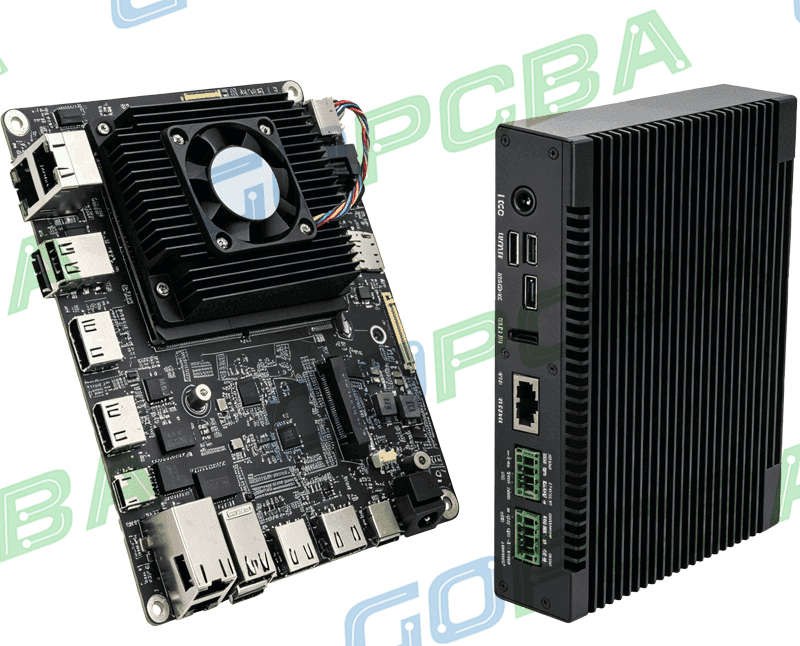
PCB Heavy Copper Board: Thick Metal on a Thin Base Modern electronics depend on boards that are assembled correctly the first time. Every product – a phone, a charger, a medical instrument or an industrial controller – relies on thousands of solder joints that must conduct current for years. This…
PCB Tolerance Stack Analysis: Adding Up the Errors Buyers and engineers often focus on the finished product and forget the production line behind it. In practice, most field failures can be traced back to process decisions made during assembly. Understanding PCB tolerance stack analysis gives you a practical advantage when…
PCB Ground Plane Stitching: Joining the Copper Together Modern electronics depend on boards that are assembled correctly the first time. Every product – a phone, a charger, a medical instrument or an industrial controller – relies on thousands of solder joints that must conduct current for years. This article explains…
Gate Driver Layout for Silicon Carbide and GaN Stages Silicon carbide and gallium nitride devices switch in a few nanoseconds, and that speed is the point of using them. It also means that every nanohenry of inductance in the gate driver path produces a voltage spike that can exceed the…
Via Stub: Via Design Rules and Their Hidden Cost Vias are the least examined feature on most boards and the one that carries the most hidden cost. Each one is a hole, a plating operation and a discontinuity, and the design rules around them determine both the density that can…
Glass Transition Temperature: PCB Laminate Properties That Affect Manufacture A printed circuit board starts as a stack of materials that have to keep their dimensions through heat, pressure and chemical processing, and the properties that make that possible are not the ones a designer normally thinks about. Understanding them explains…
Loop Area: High Speed Signal Integrity: What the Layout Decides The signals that cause the most trouble on a board are rarely the fastest ones. They are the ones with the worst return path, the largest loop area or the least margin, and those properties are decided by the layout…
Fabrication Data Review Before Release Most problems found during fabrication originate in the front end, in the data and the instructions rather than in the process, and the cost of correcting them is paid in schedule. A short review before the data is released removes most of them. Data Completeness…
Ground Split: Splitting Analogue and Digital Ground on a PCB Where a design carries more than one ground, the question of how the two are joined becomes the most consequential decision on the board. Joining them in the wrong place produces a noise problem that no amount of filtering will…