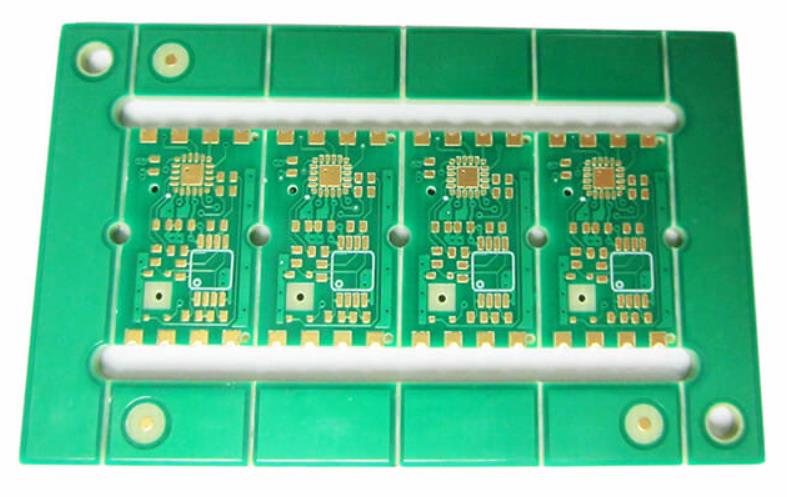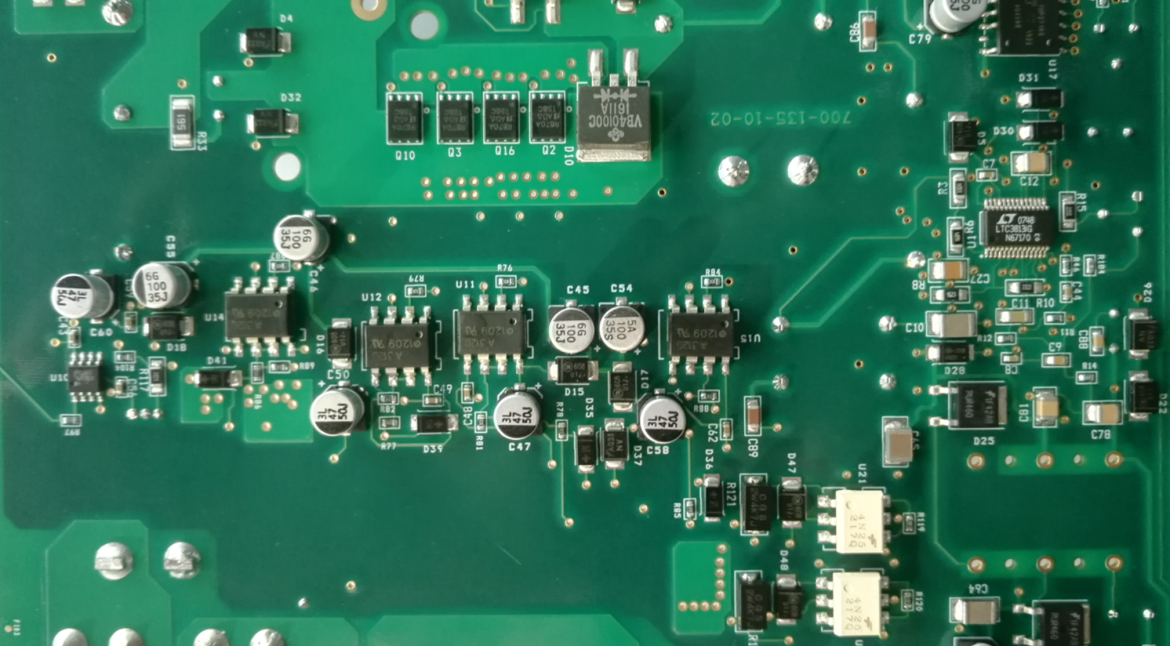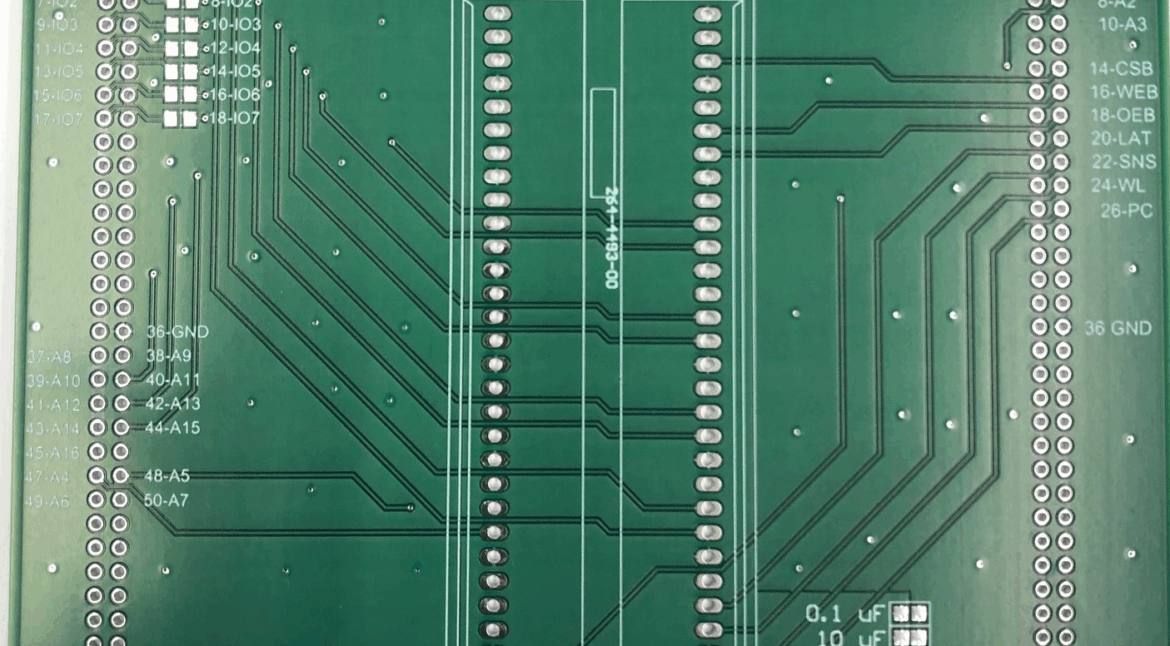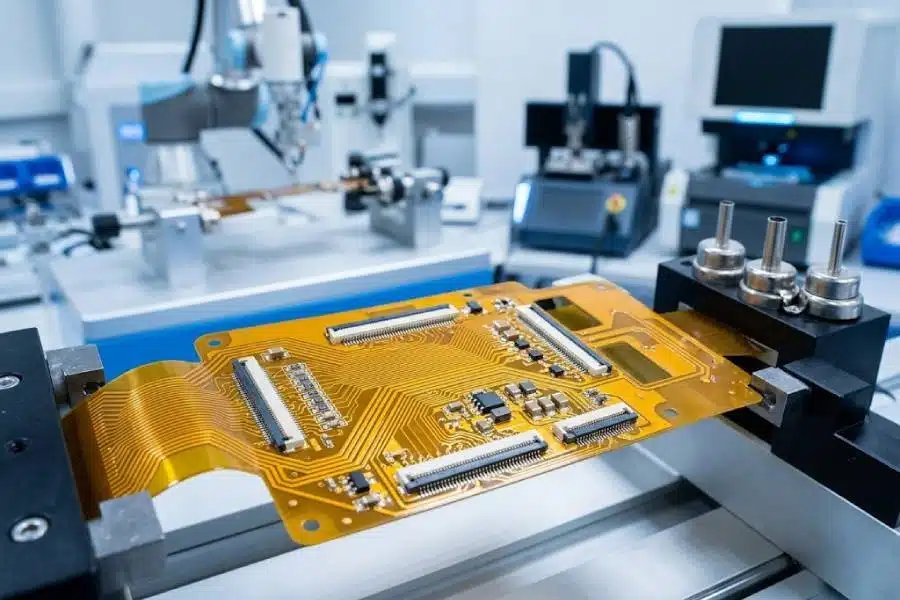
PCB Manufacturing Tolerances: What a Fabricator Can Hold Every feature on a printed circuit board is produced by a process that has a natural spread, and the tolerance on the drawing is a statement about how much of that spread the design can absorb. Manufacturing tolerances are therefore not a…

Metal Core PCB: Aluminium Substrates and Thermal Design When a component has to lose several watts through the board beneath it, a glass reinforced epoxy substrate becomes the bottleneck. A metal core board replaces the structural laminate with aluminium or another metal and separates it from the copper circuit by…
Measurement Equipment PCB: References, Guarding and Noise A measurement instrument is judged by numbers, and the board is what makes those numbers mean something. A digital multimeter, a bench power supply or a data logger all rest on a reference and on an analogue front end whose errors have to…
Immersion Tin PCB: Flat Finish Cost and Selection Guide Surface finish is one of those decisions that looks minor on a drawing and becomes a production problem six months later. Immersion tin sits between HASL and ENIG in both price and performance, offering a very flat pad for fine-pitch assembly…
Implantable Medical Device PCB: Manufacturing and Design Guide An implantable device is the most demanding application for a printed circuit board, because it cannot be repaired, it cannot be replaced without surgery, and it operates in an environment that is warm, wet and chemically aggressive. An implantable medical device PCB…
Heater PCB Price Guide: FR-4, Aluminum, Ceramic A heater board is a power product with a sensor attached, and that combination drives its cost more than any layout decision. The same circuit that would be trivial on a logic board has to carry several amps, survive a hot enclosure and…
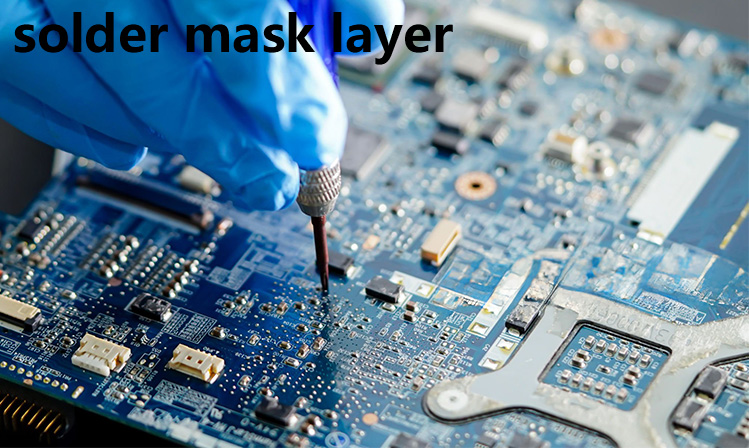
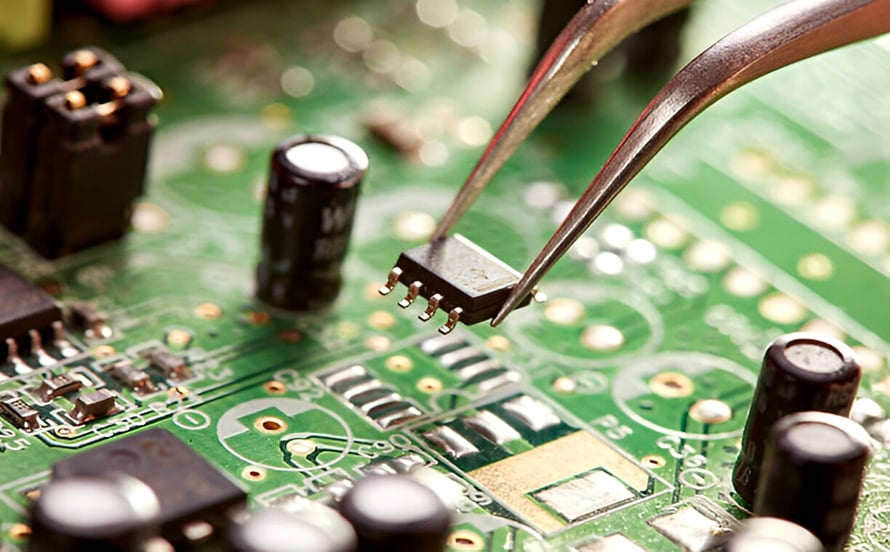
PCB Enclosure Ventilation: Letting the Air Out Modern electronics depend on boards that are assembled correctly the first time. Every product – a phone, a charger, a medical instrument or an industrial controller – relies on thousands of solder joints that must conduct current for years. This article explains PCB…
Practical Notes on CVD Driver Board Chemical vapour deposition is a process in which a solid material is formed on a substrate from a gas phase reaction inside a vacuum chamber. The equipment that performs it is a collection of demanding subsystems: a vacuum pump, a pressure control valve, a…
Practical Notes on Haptic Feedback PCB Haptic feedback has moved from a simple vibration motor to multi-actuator systems that reproduce texture and direction. In a gaming controller or handheld device, that means several actuators driven independently, in a package that must remain light and comfortable to hold. The board design…
Ordering a PCB Prototype: Checks Before You Send A prototype order is a small transaction with an outsized influence on the project. The files that are sent, the questions that are asked and the checks that are performed before the panel is built decide whether the first boards arrive usable…