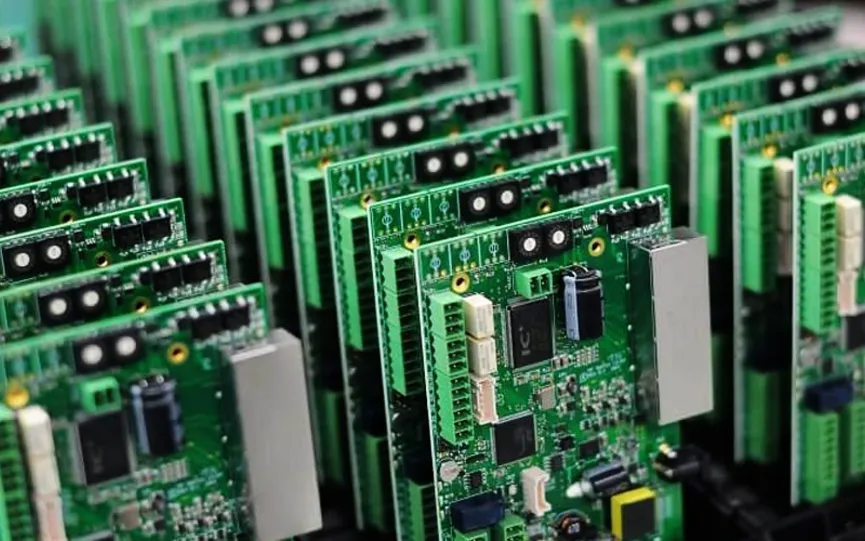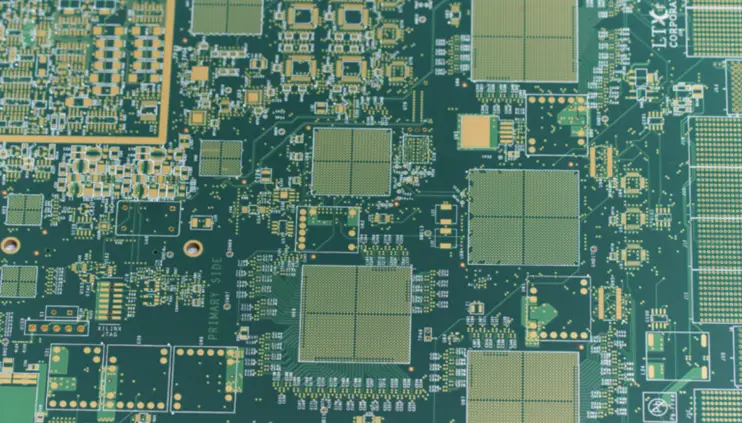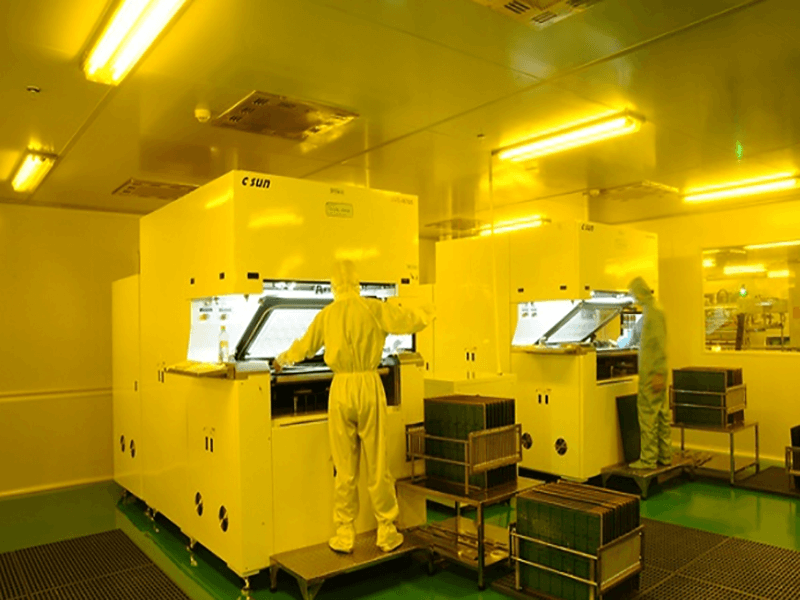
Dry Film Problems in PCB Production and How to Solve Them Dry film is one of the least glamorous materials in a PCB shop and one of the most frequent sources of scrap. It has to laminate without trapping air, survive developing without lifting, and hold fine features through an…
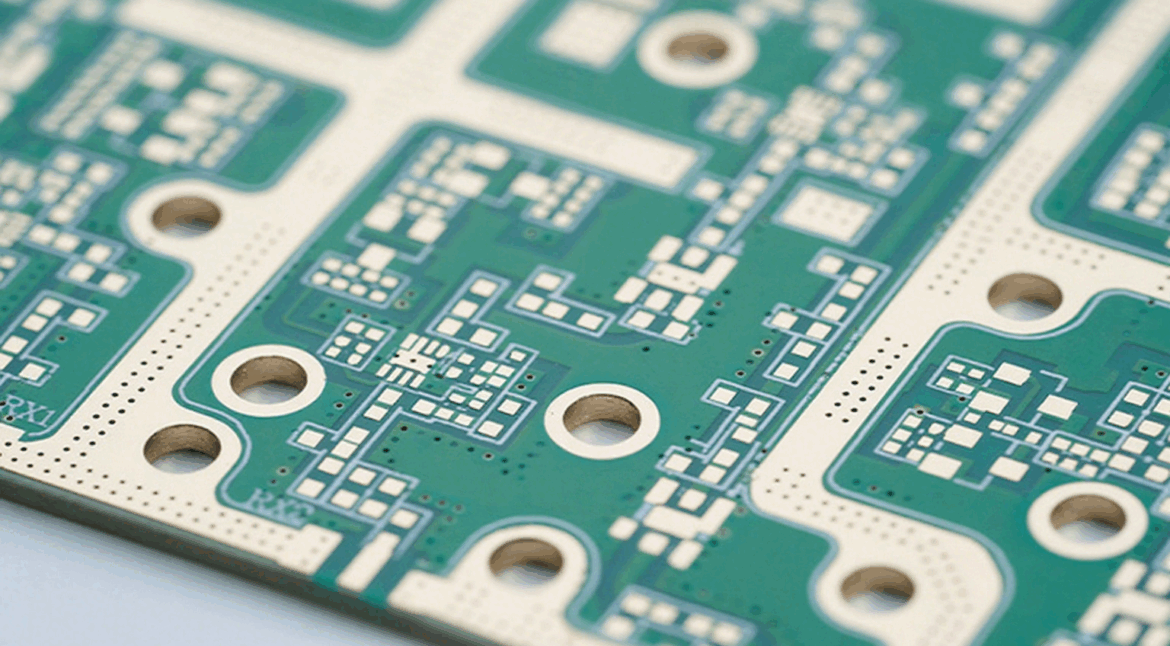
Signal Integrity Problems on PCBs and How to Fix Them A board that works perfectly at low speed can fail intermittently at high speed without any component being faulty. The reason is signal integrity: the behaviour of the copper itself once the edges of a signal become fast enough to…
PCB V Cut Scoring: Cutting a Groove Across a Panel Modern electronics depend on boards that are assembled correctly the first time. Every product – a phone, a charger, a medical instrument or an industrial controller – relies on thousands of solder joints that must conduct current for years. This…
EMC Problems in PCB Design: A Diagnosis and Fix Workflow Electromagnetic compatibility problems are rarely solved by adding components at the end of a project. They are solved by identifying which of a small number of physical mechanisms is responsible, and then changing the geometry that produces it. The diagnosis…
Ferrite Beads vs Inductors in PCB Design Ferrite beads and small inductors look similar on a schematic and behave very differently on a board. Choosing between them is a question of what the component is meant to do: an inductor stores energy and is part of a tuned or switching…
PCB Etch Compensation: Making the Trace the Right Width Buyers and engineers often focus on the finished product and forget the production line behind it. In practice, most field failures can be traced back to process decisions made during assembly. Understanding PCB etch compensation gives you a practical advantage when…
PTFE Laminate PCB Fabrication: Design Rules for RF Boards Radio frequency boards are built on a different family of materials, and the fabrication that suits them is different too. A PTFE laminate has a dielectric constant close to that of air, an extremely low loss and a tendency to move…
Ground Noise: Loop, Common Impedance and Return Path Problems A ground conductor is treated as a reference, and in a schematic it is. On a board it is a piece of copper with resistance and inductance, and at the frequencies a digital circuit uses, the inductance is what matters. Current…
PCB Routing Tolerance: How Close Is Close Enough Electronics manufacturing has become a discipline of small details. Solder paste volumes, placement accuracy, temperature profiles and inspection limits all add up to the final result. This guide looks at PCB routing tolerance from the perspective of a PCBA factory floor, covering…
Aluminum Clad PCB Price: Thermal, Copper and Volume An aluminum clad PCB is one of the few board constructions where the substrate is chosen for a property other than electricity. The aluminum plate carries heat away from the components and adds mechanical stiffness at the same time, while a thin…