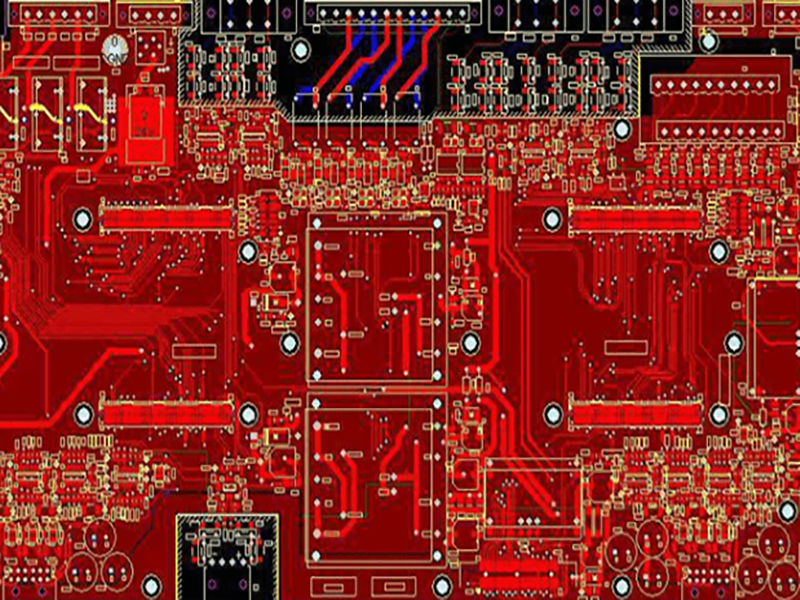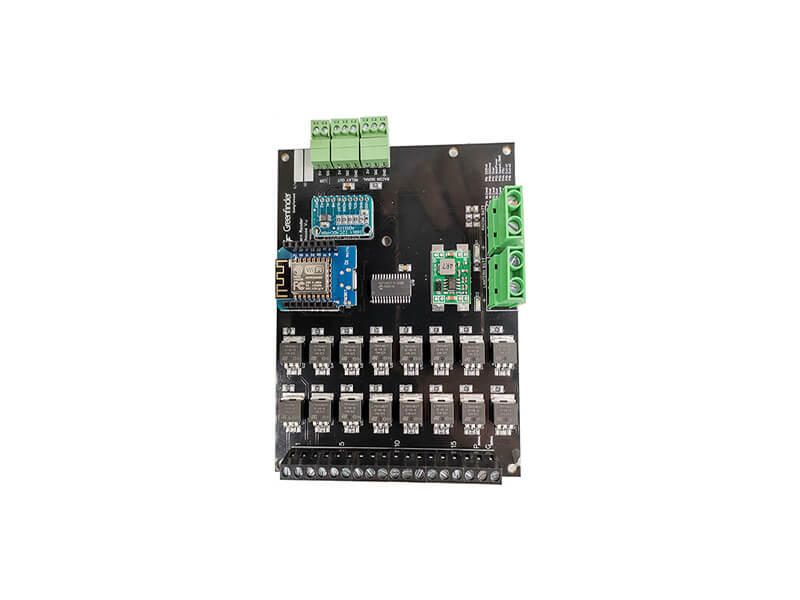
High-Performance PCB Design: Team, Skills and Engineering Challenges Once a product is fast enough, the bottleneck in a high-performance PCB design stops being layout skill and becomes organization. A board that has to hold a signal integrity budget, meet an emissions limit, fit a shrinking enclosure, and still be manufacturable…

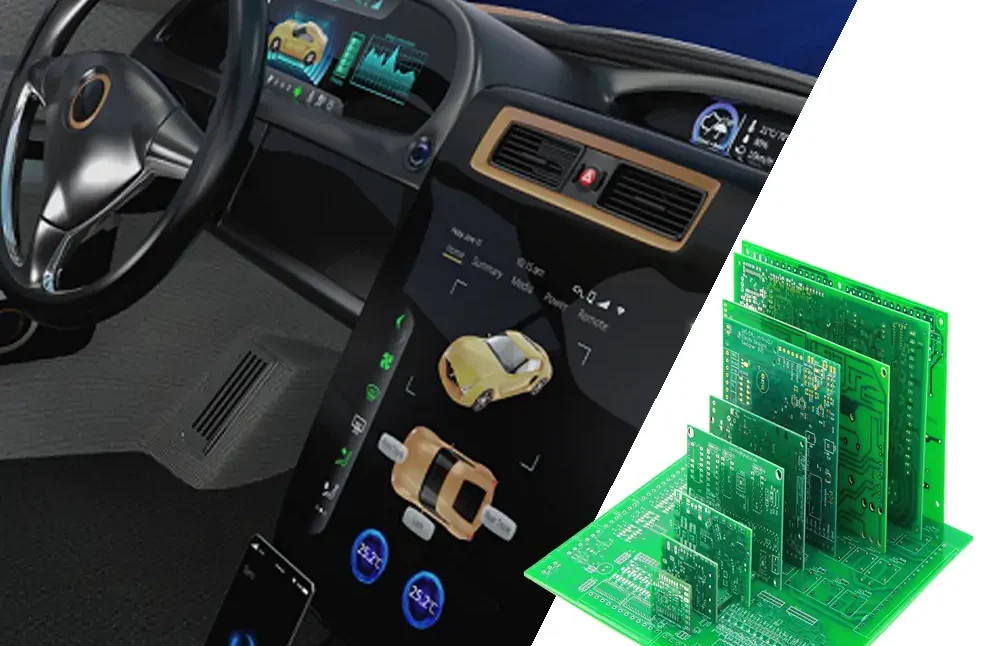
Automotive PCB Requirements: Heat, Vibration and Validation An automotive PCB looks like an industrial board with a longer specification, and that impression is misleading. The difference is not the number of tests but the environment the board has to survive between them: a car climbs mountains, fords water, sits in…
PCB LED Dimming Circuits: Controlling the Brightness Buyers and engineers often focus on the finished product and forget the production line behind it. In practice, most field failures can be traced back to process decisions made during assembly. Understanding PCB LED dimming circuits gives you a practical advantage when you…
Navigation PCB: GNSS Receiver Layout and Design A navigation receiver listens for signals that arrive from satellites twenty thousand kilometres away, after passing through the atmosphere and through the product’s own enclosure. The signal at the antenna is well below the thermal noise floor of the receiver, and the position…
DXF Files in PCB Design and Manufacturing Gerber data describes the electrical side of a board: copper, mask, legend and drill. It says very little about mechanical intent, and on a board with an unusual outline, an internal cut-out or a connector that has to sit in a precise recess,…
Rail Transit PCB: Vibration, Temperature and Long Life Rolling stock electronics are specified for a service life measured in decades, in an environment that combines continuous vibration, wide temperature swings, humidity and an electrical supply that is anything but clean. A rail transit PCB therefore resembles an industrial board in…
More Layers Is Not Always Better: Choosing a PCB Layer Count More layers is better is one of the oldest assumptions in board design, and it survives because a thicker stack-up does make some problems easier. The assumption breaks down as soon as cost, manufacturability and thermal behaviour are considered,…
Solder Wetting Problems: Why Solder Fails to Spread Solder that refuses to spread is one of the most disruptive faults on a production line, because the board is finished, the components are placed and the defect only becomes visible at the point where it is most expensive to correct. Poor…
PCB LED Light Output Measurement: Measuring What Comes Out Electronics manufacturing has become a discipline of small details. Solder paste volumes, placement accuracy, temperature profiles and inspection limits all add up to the final result. This guide looks at PCB LED light output measurement from the perspective of a PCBA…
PCB LED Thermal Pad Design: Getting the Heat Out of the Die Buyers and engineers often focus on the finished product and forget the production line behind it. In practice, most field failures can be traced back to process decisions made during assembly. Understanding PCB LED thermal pad design gives…