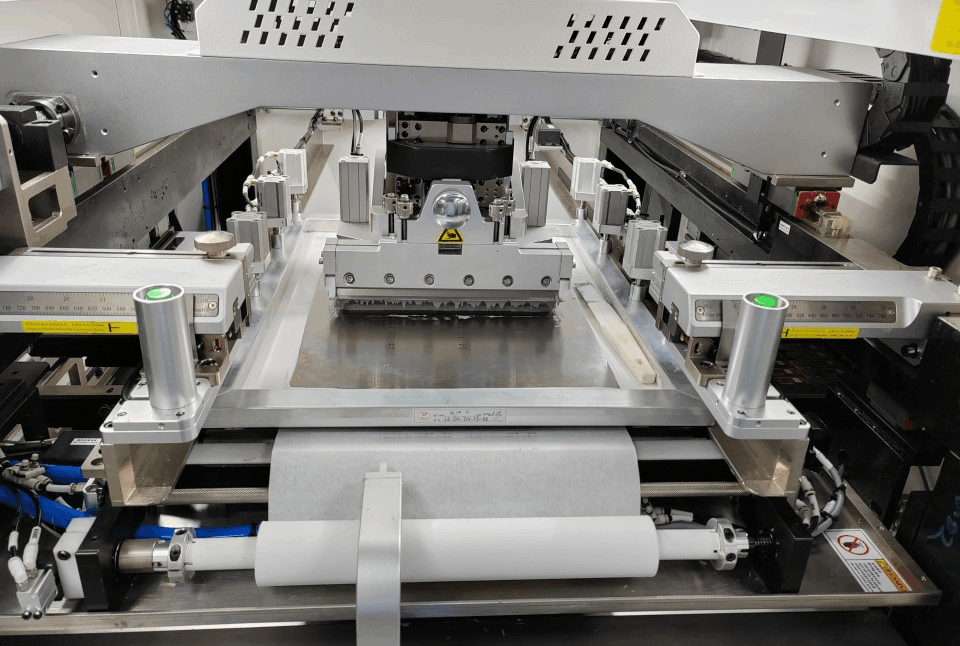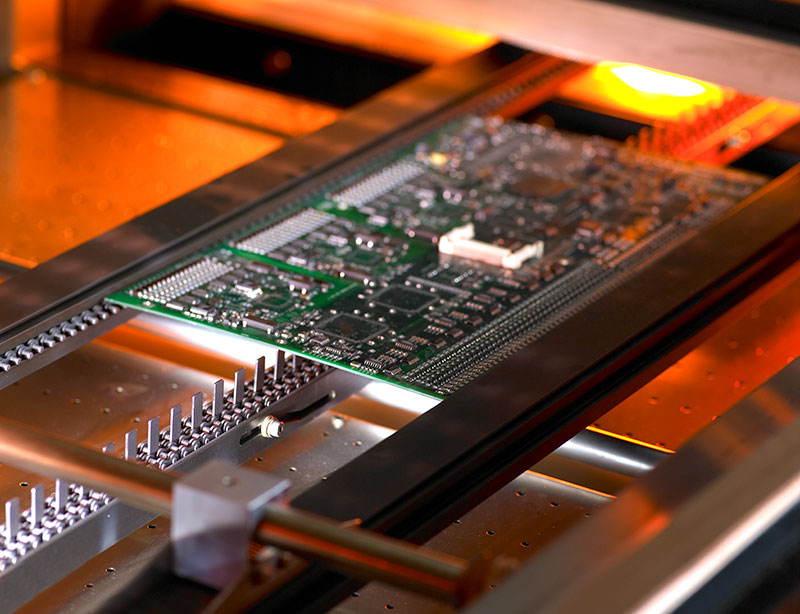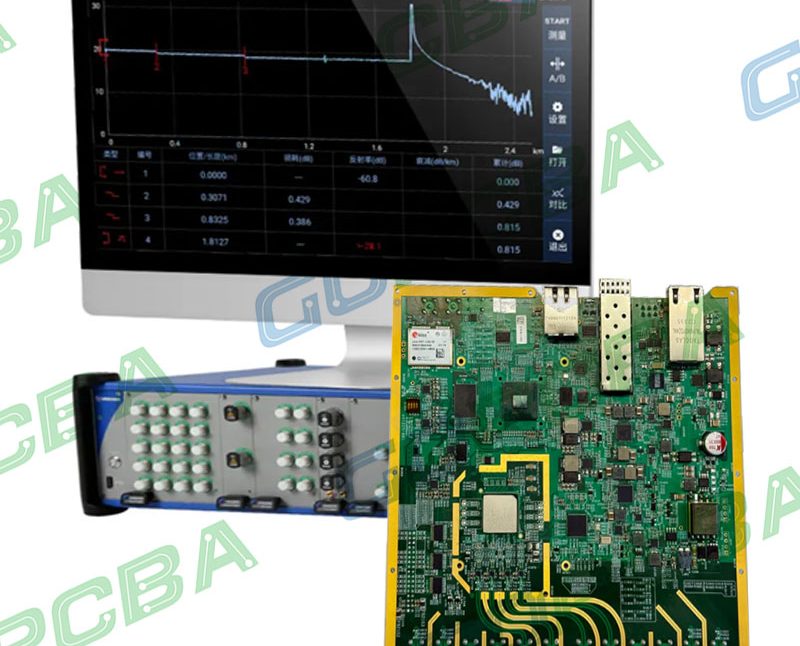
PCB Flex to Rigid Soldering: Joining Two Kinds of Board Electronics manufacturing has become a discipline of small details. Solder paste volumes, placement accuracy, temperature profiles and inspection limits all add up to the final result. This guide looks at PCB flex to rigid soldering from the perspective of a…
PCB Adhesive Selection for Stiffeners: The Right Glue for the Job Modern electronics depend on boards that are assembled correctly the first time. Every product – a phone, a charger, a medical instrument or an industrial controller – relies on thousands of solder joints that must conduct current for years.…
Copper Plating and Nickel Plating in PCB Fabrication Two metals do most of the work in PCB plating. Copper forms the conductors and lines every hole, while nickel appears as a thin barrier layer under gold on pads and edge contacts. They are deposited for different reasons, by different processes,…
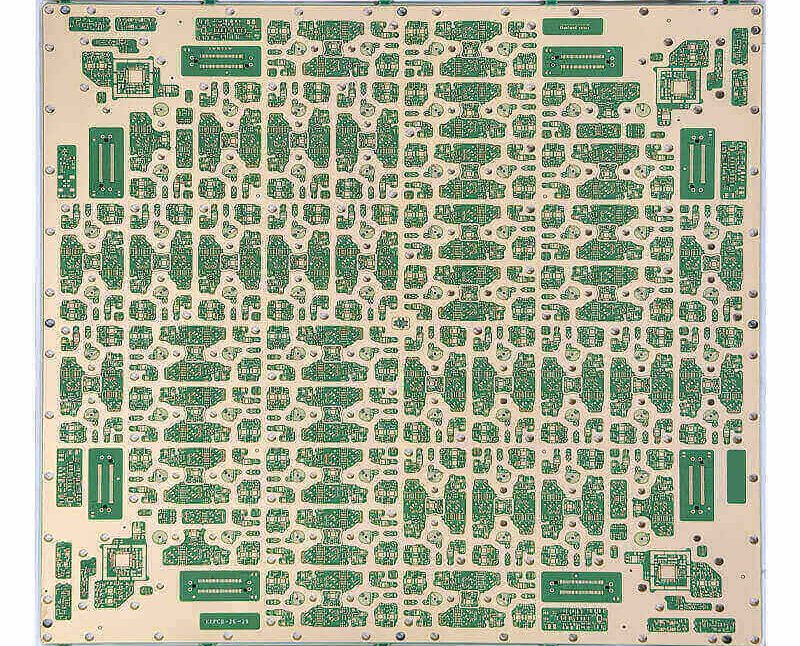
Long PCB Design: Handling, Warpage and Signal Integrity A long PCB is a board whose dimensions exceed the working envelope of the equipment that has to make and assemble it. Communications antenna panels, satellite arrays, lighting rails and instrument backplanes all fall into this category. The circuits themselves are often…
Dielectric Constant of PCB Materials: Measurement and Use Dielectric constant is the property that links a laminate datasheet to the width of a trace. It describes how much the material slows an electric field and how much capacitance a given geometry produces, and it is the input that most impedance…
Prepreg vs Core: The Two Materials Behind Every Multilayer PCB A multilayer board is not one material but a stack of two. The cores carry the circuits; the prepreg glues them together and forms the dielectric between them. Designers often treat the two as interchangeable because both are made of…
PCB Flex Impedance Control: Keeping the Impedance While It Bends Buyers and engineers often focus on the finished product and forget the production line behind it. In practice, most field failures can be traced back to process decisions made during assembly. Understanding PCB flex impedance control gives you a practical…
Automotive Radar PCB: Materials for 77 GHz Designs An automotive radar module works at 24, 77 or 79 GHz, and at those frequencies the circuit board stops being a passive carrier and becomes part of the radio. Trace geometry, dielectric behaviour and copper surface finish all change the insertion loss…
Glucometer PCB Design: Precision Analog in a Handheld Device A glucometer PCB measures an electrochemical reaction in a single-use test strip and converts it into a reading that a patient will act on. The current it measures is in the nanoampere to microampere range, the device runs for months on…
Radar PCB Design: Materials, Phase Matching and Thermal Path A radar board is a mixed-signal assembly at the extreme end of the spectrum. It carries microwave transmit and receive paths, high-speed digital processing, and a power stage, often on a single multilayer stack inside a sealed module. The design problem…