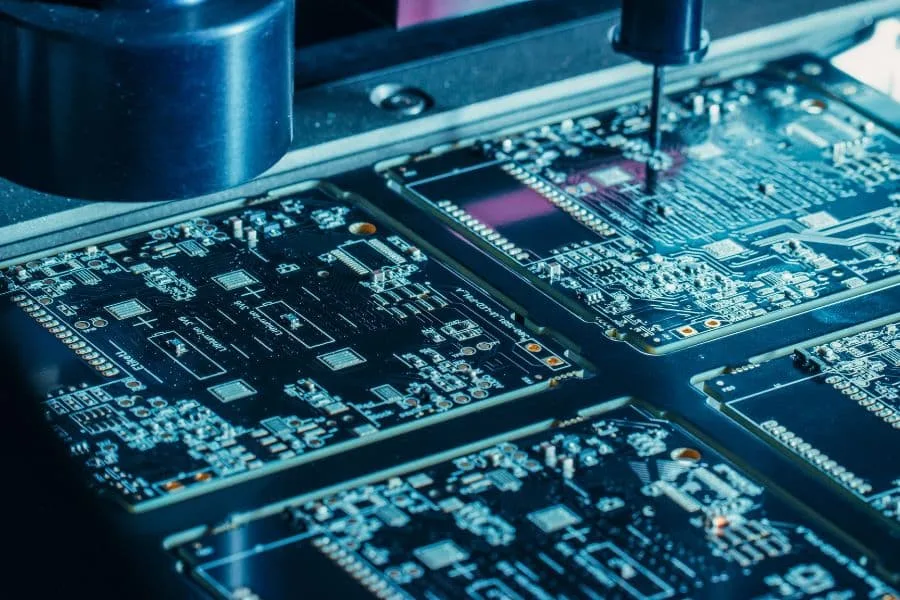
Box Build Assembly Services for Complete Electronic Product Integration
Modern electronic products increasingly require more than a populated circuit board. From industrial control equipment and IoT devices to medical electronics, telecommunications equipment, and consumer products, manufacturers need a complete solution that combines electronics, mechanical components, wiring, testing, and final packaging.
Box Build Assembly provides this complete product integration capability. Instead of managing multiple suppliers for PCB production, component sourcing, wiring, mechanical assembly, testing, and packaging, customers can work with one manufacturing partner to transform individual components and subassemblies into a finished electronic product.
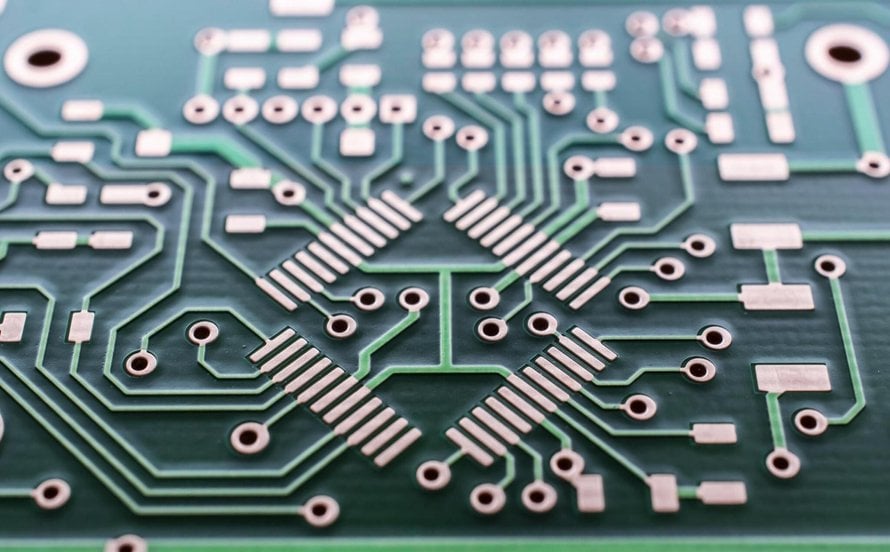
GOPCBA provides integrated manufacturing support covering PCB fabrication, assembly, component procurement, testing, wiring, box build integration, and related electronic manufacturing services.
For customers looking for a complete manufacturing partner, our PCB Assembly capability can be integrated with downstream box build and final product assembly.
What Is Box Build Assembly?
Box Build Assembly is a complete system-level manufacturing process in which an assembled PCB or PCBA is integrated with mechanical parts, cables, wire harnesses, connectors, displays, switches, motors, power supplies, and other components inside a customized enclosure.
Unlike conventional PCB assembly, which focuses primarily on mounting electronic components onto a circuit board, box build manufacturing focuses on the finished product.
A typical project may include:
- PCB fabrication and assembly
- Electronic component sourcing
- SMT and through-hole assembly
- Wire and cable harness assembly
- Mechanical component installation
- Plastic or metal enclosure assembly
- Connector and interface installation
- IC programming
- Conformal coating
- Electrical and functional testing
- Product labeling
- Final packaging and shipment
This integrated approach reduces the number of manufacturing interfaces and helps simplify production management.
What Are the Key Steps in Box Build Assembly?
A reliable Box Build Assembly Services process should connect engineering, sourcing, assembly, testing, and final delivery into one controlled workflow.
Design Review and DFM/DFA
Manufacturing should begin with an engineering review of the product design.
The manufacturer evaluates the PCB, mechanical structure, enclosure, connectors, cable routing, component placement, assembly sequence, tolerances, and testing requirements. Design for Manufacturability (DFM) and Design for Assembly (DFA) reviews can identify potential production problems before manufacturing begins.
Typical documentation may include:
- Gerber files
- Bill of Materials (BOM)
- Pick-and-place files
- Assembly drawings
- Mechanical drawings
- 2D drawings
- 3D CAD models
- Wiring diagrams
- Work instructions
- Functional test specifications
Early engineering review can reduce assembly problems, rework, production delays, and unnecessary manufacturing costs.
Component and Material Procurement
A complete box build project may require electronic components, PCBs, mechanical parts, cables, connectors, fasteners, labels, packaging materials, and custom enclosures.
A centralized procurement process helps coordinate these materials according to the BOM, approved manufacturer part numbers, production requirements, and delivery schedule.
Component sourcing should also consider availability, lifecycle status, quality, lead time, and approved alternatives.
For projects requiring complete PCB manufacturing and sourcing, Turnkey PCB Assembly can be integrated into the overall production process.
PCB Assembly
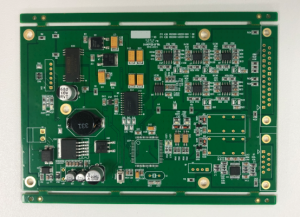
The PCBA is the electronic core of many box build products.
Depending on the product design, the PCB may require SMT, through-hole, BGA, mixed-technology assembly, programming, inspection, and electrical testing.
The completed PCBA is then prepared for mechanical and system-level integration.
A properly controlled PCB Assembly process provides the foundation for reliable box build manufacturing.
Wire and Cable Harness Assembly
Electrical connections between PCBs, power supplies, displays, sensors, motors, switches, and external interfaces often require customized cables or wire harnesses.
Cable assemblies may involve:
- Wire cutting and stripping
- Terminal crimping
- Connector installation
- Cable routing
- Labeling
- Continuity testing
- Electrical testing
Integrating wire harness manufacturing with box build assembly helps reduce supplier coordination and simplifies final product integration.
For dedicated wiring requirements, customers can also use Wire & Cable Harness Assembly as part of the overall manufacturing solution.
Mechanical Assembly
Mechanical assembly brings the electronic and structural components together.
Depending on the product, this stage may include:
- Enclosure installation
- PCB mounting
- Bracket installation
- Heat sink installation
- Fan installation
- Display mounting
- Connector installation
- Switch and button installation
- Motor installation
- Fastener installation
- Cable routing and securing
Mechanical tolerances and assembly sequence must be carefully controlled to prevent interference, damage, loose connections, or insufficient clearance.
Programming and System Integration
Many electronic products require firmware or software to be installed before final testing.
IC programming and configuration may be performed after PCB assembly or during final product integration. The appropriate firmware version, programming procedure, and configuration parameters should be clearly defined and controlled.
The final assembly process should also verify communication interfaces, displays, sensors, actuators, power functions, and other product-specific features.
Inspection and Testing for Box Build Products
Testing is one of the most important stages of Electronic Manufacturing Services because a completed product must operate as an integrated system rather than simply contain correctly assembled components.
Testing requirements should be defined before production begins.
PCBA Inspection and Testing
PCB assemblies may undergo visual inspection, AOI, X-ray inspection, ICT, functional testing, and other appropriate verification methods depending on the product design.
For projects requiring dedicated verification procedures, PCBA Testing can help validate electrical performance and functional behavior before final system integration.
Final Functional Testing
After the enclosure and mechanical components are installed, the complete product can undergo system-level testing.
Typical checks may include:
- Power-on verification
- Voltage and current measurements
- Communication testing
- Display testing
- Button and switch testing
- Sensor verification
- Motor operation
- Input/output testing
- Firmware verification
- Functional simulation
- Burn-in or reliability testing when required
The exact test procedure should be developed according to the customer’s product specifications and acceptance criteria.
Traceability and Quality Control
Effective traceability allows manufacturers to connect finished products with production records, material information, component lots, test results, and manufacturing dates.
A controlled quality system should include inspection points throughout the manufacturing process rather than relying only on final inspection.
GOPCBA’s published quality-management information describes controls covering PCB design, DFM review, NPI, PCBA manufacturing, supply chain management, testing, and personnel training.
Benefits of Box Build Assembly
Reduced Supplier Management
A complete box build supplier can coordinate PCB assembly, component sourcing, cables, mechanical assembly, testing, and packaging under one manufacturing workflow.
This reduces the number of separate suppliers that an OEM needs to manage.
Faster Product Integration
When electronic and mechanical assembly are coordinated within the same manufacturing process, production handoffs can be reduced.
This can help simplify scheduling and shorten the path from PCBA completion to finished product delivery.
Better Manufacturing Control
A centralized manufacturing process provides greater visibility across materials, assembly, inspection, testing, and final packaging.
Potential manufacturing problems can also be identified earlier through engineering and quality-control checkpoints.
Improved Cost Efficiency
Combining multiple manufacturing processes under one supplier can reduce logistics, handling, administrative work, duplicate inspections, and supplier-management costs.
The final cost depends on product complexity, material requirements, production quantity, testing requirements, enclosure design, and other project specifications.
Flexible Production
Box build manufacturing can support different production requirements, from prototypes and low-volume builds to larger production programs.
A flexible manufacturing partner can also support engineering changes, customized packaging, labeling, and product-specific testing.
What Information Is Required for Box Build Assembly?
To prepare an accurate quotation and manufacturing plan, customers should normally provide as much technical information as possible.
Bill of Materials
The BOM should contain manufacturer part numbers, descriptions, quantities, package information, and approved alternatives where applicable.
A complete BOM allows the manufacturer to evaluate material availability, sourcing requirements, and production cost.
PCB Manufacturing Files
Typical PCB documentation includes Gerber files, drill files, stack-up information, fabrication specifications, and assembly files.
Customers can also use PCB Manufacturing as part of an integrated PCB-to-finished-product manufacturing workflow.
Mechanical Documentation
Mechanical drawings, enclosure specifications, 3D CAD models, assembly drawings, dimensions, tolerances, and material specifications are useful for evaluating the complete box build structure.
If the mechanical design is still being developed, an engineering review can help identify potential assembly and manufacturability issues.
Testing Documentation
Customers should provide functional test specifications, acceptance criteria, programming requirements, test fixtures, operating parameters, and any special reliability requirements.
Clear testing documentation helps ensure that both the manufacturer and customer have the same definition of a finished and acceptable product.
Applications of Box Build Assembly
Box Build Assembly Services are used across a wide range of electronic and industrial applications.
Industrial Control Equipment
Industrial control products may combine PCBAs, displays, power supplies, connectors, cooling systems, cables, and mechanical enclosures into a single control unit.
Typical applications include:
- Industrial controllers
- Control panels
- Motor control units
- Automation equipment
- Machine control systems
- Instrumentation systems
- Robotics equipment
GOPCBA also provides electronic manufacturing support for industrial control applications, including PCB assembly, wire harnesses, box build, and related system integration.
IoT and Smart Electronics
IoT products often require compact electronics, sensors, communication modules, power systems, mechanical housings, and customized wiring.
Box build integration allows these individual components to be assembled and tested as a complete product.
Medical Electronics
Medical electronic products may require strict process control, traceability, testing, and documentation.
Box build manufacturing can integrate PCBAs, displays, sensors, cables, mechanical assemblies, and other components into a complete medical device subsystem.
Telecommunications and Networking Equipment
Telecommunications products frequently contain multiple electronic assemblies, power supplies, connectors, cooling systems, and communication interfaces.
System-level assembly helps ensure that these components are correctly integrated and tested before shipment.
Consumer Electronics
Consumer products may require attractive enclosures, compact wiring, displays, buttons, PCBs, batteries, and other components to be assembled into a finished product.
Box build manufacturing can combine these operations into a single controlled production process.
How to Choose a Box Build Assembly Manufacturer
Choosing the right manufacturing partner is important because box build projects involve more processes than conventional PCB assembly.
Engineering Capability
Look for a supplier capable of reviewing electrical, mechanical, manufacturing, and testing requirements.
DFM/DFA support can be particularly valuable when developing a new product or optimizing an existing design.
PCB and Assembly Capability
A supplier that can manage both PCB fabrication and assembly can reduce manufacturing interfaces and simplify project coordination.
GOPCBA provides PCB manufacturing, PCB assembly, component sourcing, testing, and box build capabilities within its broader electronic manufacturing offering.
Testing Capability
A qualified supplier should have appropriate inspection and testing capabilities for both PCBA-level and finished-product requirements.
The testing strategy should be defined according to the actual risks and functional requirements of the product.
Supply Chain Management
Stable component sourcing is critical for box build production because a shortage of one small component can delay completion of the entire product.
Supplier qualification, approved alternatives, material traceability, and production planning should therefore be considered during supplier selection.
Quality Management
Quality management should cover incoming materials, PCB assembly, mechanical assembly, wiring, programming, testing, final inspection, packaging, and shipment.
A controlled process helps maintain consistent quality throughout the complete manufacturing cycle.
Why Use a One-Stop Box Build Manufacturing Solution?
The main advantage of a one-stop Electronic Manufacturing Services provider is integration.
Instead of coordinating separate PCB manufacturers, component suppliers, cable assembly companies, mechanical assembly suppliers, testing providers, and packaging vendors, customers can consolidate these processes with one manufacturing partner.
A typical integrated workflow can include:
PCB Manufacturing → Component Procurement → PCB Assembly → Inspection → Programming → Wire & Cable Assembly → Mechanical Assembly → Box Build → Functional Testing → Labeling → Packaging → Shipment
This approach can simplify communication, reduce logistics complexity, improve production visibility, and make it easier to manage engineering changes throughout the product lifecycle.
Start Your Box Build Assembly Project
Whether you are developing a new electronic product, transitioning an existing product to contract manufacturing, or looking for a more integrated production solution, box build assembly can provide a practical path from individual components to a finished product.
GOPCBA provides integrated PCB manufacturing and electronic manufacturing services covering PCB fabrication, PCB assembly, component sourcing, testing, wire and cable harness assembly, box build integration, and related manufacturing support.
For a project quotation, customers can submit their BOM, Gerber files, assembly drawings, mechanical drawings, CAD files, testing requirements, and expected production quantity for engineering evaluation.
For project inquiries and quotation requests, contact GOPCBA to discuss your box build assembly requirements.
Frequently Asked Questions
What is Box Build Assembly?
Box build assembly is the process of integrating PCB assemblies, mechanical components, cables, connectors, enclosures, and other components into a complete finished electronic product.
What is the difference between PCB assembly and box build assembly?
PCB assembly focuses on mounting electronic components onto a printed circuit board. Box build assembly goes beyond the PCBA and integrates the circuit board with mechanical components, wiring, enclosure parts, programming, testing, and final packaging.
What information is needed for a box build quotation?
Typical information includes the BOM, Gerber files, PCB assembly files, mechanical drawings, 3D CAD models, wiring diagrams, product specifications, testing requirements, and expected production quantity.
Can box build assembly include cable and wire harnesses?
Yes. Cable and wire harness assembly can be integrated into the box build manufacturing process to provide electrical connections between PCBs, power supplies, connectors, motors, sensors, displays, and other components.
Can box build assembly include product testing?
Yes. Depending on the product, testing can include electrical testing, functional testing, programming verification, communication testing, burn-in, and other customer-defined acceptance tests.
Is box build assembly suitable for prototypes and low-volume production?
Yes. Box build manufacturing can be used for prototypes, engineering builds, low-volume production, and larger production programs, depending on the supplier’s capabilities and project requirements.
How do I start a box build assembly project?
Prepare your BOM, PCB files, mechanical documentation, assembly drawings, wiring information, testing requirements, and estimated production quantity. Submit these materials to the manufacturer for engineering review and quotation.