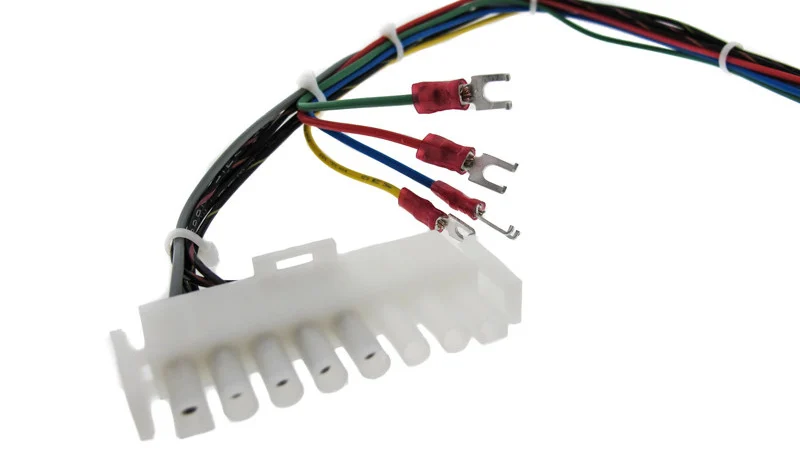
Cable Assembly: Types, Manufacturing Process, Materials, Applications, and Selection Guide
Connectivity is essential for the reliable operation of almost every modern electronic and electrical system. In general, a system requires two fundamental types of connections: power connections and data connections. While power enables equipment to operate, data connections allow devices, sensors, controllers, and other components to communicate effectively.
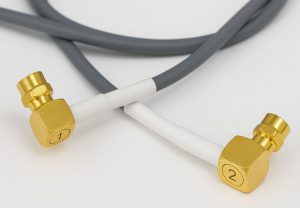
Although wireless technologies are becoming increasingly common, wired connectivity remains indispensable in many demanding applications. Wireless solutions can be affected by distance, interference, bandwidth limitations, electromagnetic conditions, security requirements, and environmental factors. As a result, professionally designed cable assemblies continue to play a critical role in industrial equipment, automotive systems, telecommunications, medical devices, aerospace equipment, power systems, and other electronic applications.
A cable assembly integrates conductors, insulation, shielding, terminals, connectors, and protective materials into a structured interconnection solution. Properly designed cable assemblies can improve electrical performance, simplify installation, increase mechanical protection, and enhance the overall reliability of an electronic system.
This guide explains what a cable assembly is, its major components, common types, manufacturing process, materials, design considerations, applications, advantages, the difference between cable assemblies and wire harnesses, and how to select a reliable cable assembly manufacturer.
What Is a Cable Assembly?
A cable assembly is an engineered group of wires or cables combined with connectors, terminals, protective sleeves, tubing, conduit, shielding, or other components to form an integrated electrical interconnection system.
Depending on the application, a cable assembly may contain a single cable or multiple conductors arranged into a predefined configuration. The assembly is designed to transmit electrical power, control signals, communication data, or a combination of these functions.
The primary purposes of a cable assembly include:
- Protecting conductors from mechanical damage, moisture, chemicals, abrasion, and environmental exposure.
- Organizing multiple wires and cables into a manageable assembly.
- Simplifying installation and system integration.
- Providing reliable electrical and mechanical connections.
- Controlling electromagnetic interference (EMI) and improving electromagnetic compatibility (EMC).
- Supporting consistent electrical performance throughout the service life of the equipment.
Unlike loose wires that must be individually routed and terminated during installation, a finished cable assembly can be tested before shipment and installed as a predefined component.
Major Components of a Cable Assembly
A cable assembly consists of several critical components. The exact configuration depends on the required voltage, current, signal frequency, environmental conditions, mechanical requirements, and connector interface.
1. Conductors
Conductors are the core electrical components of a cable assembly. They transmit electrical power and data signals between different parts of a system.
Copper is the most widely used conductor because it provides excellent electrical conductivity, good mechanical properties, and a relatively favorable cost-performance ratio. Aluminum may be selected when weight reduction is particularly important, while specialized applications may use other conductive materials or plated conductor configurations.
Conductor selection depends on several factors, including:
- Current-carrying capacity
- Voltage requirements
- Signal frequency
- Electrical resistance
- Cable length
- Flexibility
- Operating temperature
- Weight
- Environmental conditions
Wire size is commonly specified using AWG (American Wire Gauge) or other applicable standards. Proper conductor sizing is essential because an undersized conductor can increase resistance, voltage drop, heat generation, and long-term reliability risks.
2. Insulation and Protective Jacket
Exposed conductors can be damaged by moisture, chemicals, abrasion, heat, and mechanical stress. Insulation and protective jackets therefore play a critical role in cable assembly reliability.
Common insulation and jacket materials include:
- PVC (Polyvinyl Chloride)
- TPE (Thermoplastic Elastomer)
- TPU (Thermoplastic Polyurethane)
- Silicone
- PTFE (Polytetrafluoroethylene)
- ETFE (Ethylene Tetrafluoroethylene)
- Polypropylene and other engineering polymers
Material selection depends on the operating environment. For example, industrial applications may require resistance to oil, chemicals, abrasion, and elevated temperatures, while medical applications may prioritize flexibility, cleanability, biocompatibility, or sterilization compatibility.
3. Shielding
Shielding is often incorporated into cable assemblies used for sensitive data or high-frequency signals. It helps reduce electromagnetic interference and limits unwanted electromagnetic coupling between the cable and surrounding equipment.
Common shielding methods include:
- Braided copper shielding
- Tinned copper braid
- Aluminum foil shielding
- Foil-and-braid combinations
- Conductive polymer layers
The shielding structure should be selected according to the frequency range, grounding strategy, required flexibility, and EMC requirements of the system.
4. Connectors and Terminals
Connectors and terminals provide the interface between the cable assembly and other components or equipment.
Depending on the application, a cable assembly may use:
- Board-to-wire connectors
- Wire-to-wire connectors
- Circular connectors
- Automotive connectors
- Industrial connectors
- Coaxial connectors
- High-speed data connectors
- Custom terminals
Connector selection must consider electrical ratings, mechanical durability, mating cycles, environmental sealing, locking mechanisms, signal integrity, and compatibility with the target equipment.
Types of Cable Assemblies
Cable assemblies can be classified according to their electrical function, construction, connector configuration, and application.
1. Power Cable Assemblies
Power cable assemblies are designed to distribute electrical power between power supplies, control systems, motors, batteries, and other electrical equipment.
They generally require conductors with suitable current-carrying capacity and insulation systems capable of handling the specified voltage and operating temperature.
Important design parameters include:
- Rated current
- Rated voltage
- Wire gauge
- Cable length
- Conductor material
- Insulation material
- Connector rating
- Temperature rating
- Mechanical protection
For high-current applications, thermal management and voltage drop must also be carefully evaluated.
2. Data and Signal Cable Assemblies
Data cable assemblies are designed to transmit digital signals, analog signals, control signals, sensor data, feedback signals, or communication protocols.
Compared with power cables, signal cables often have stricter requirements for impedance, shielding, crosstalk, insertion loss, attenuation, and signal integrity.
High-speed applications may require controlled-impedance cable construction, twisted-pair configurations, coaxial structures, differential signaling, and carefully selected connectors.
3. Custom Cable Assemblies
Custom cable assemblies are designed according to application-specific electrical, mechanical, and environmental requirements.
A customized assembly can integrate power and signal conductors, multiple connectors, shielding, protective sleeving, strain relief, labeling, and other features into a single solution.
Custom cable assemblies are particularly useful when standard cables cannot satisfy requirements related to:
- Limited installation space
- Unique connector combinations
- Special cable lengths
- Complex routing
- High-flex applications
- Harsh environments
- Special voltage or current requirements
- High-speed communication
- Specialized testing requirements
Cable Assembly Manufacturing Process
Cable assembly manufacturing requires careful control of engineering, material selection, assembly, inspection, and testing. A well-controlled process ensures that every finished assembly meets its electrical, mechanical, and dimensional specifications.
1. Design and Material Selection
The manufacturing process begins with a detailed understanding of the application requirements.
Engineers typically define:
- Electrical specifications
- Cable and wire types
- Wire gauge
- Connector requirements
- Cable length
- Pinout configuration
- Shielding requirements
- Insulation requirements
- Environmental conditions
- Mechanical constraints
- Applicable industry standards
A complete bill of materials (BOM), engineering drawing, wiring diagram, assembly instructions, and inspection criteria should be established before mass production.
Material selection is particularly important because the cable, connector, insulation, shielding, and protective materials must work together under the expected operating conditions.
2. Wire Cutting and Preparation
The selected wires and cables are cut to the specified lengths using controlled equipment.
The cable ends are then stripped to expose the required conductor length without damaging the conductor strands. For precision cable assemblies, automated cutting and stripping equipment can improve dimensional consistency and production efficiency.
Depending on the design, additional preparation may include:
- Jacket stripping
- Shield preparation
- Conductor twisting
- Terminal preparation
- Labeling
- Sleeve installation
3. Crimping and Termination
Terminals are attached to conductors using crimping, soldering, or other approved termination techniques.
Crimping is widely used in high-volume cable assembly manufacturing because it provides repeatable mechanical and electrical connections when the correct terminal, wire size, tooling, and process parameters are used.
Critical crimping parameters include:
- Crimp height
- Crimp width
- Pull-out force
- Conductor placement
- Terminal alignment
- Contact resistance
Poor termination can result in intermittent connections, increased resistance, signal loss, overheating, or premature failure.
4. Cable Bundling and Protection
Multiple wires can be organized into a structured assembly using cable ties, sleeves, braided tubing, heat-shrink tubing, spiral wrap, conduit, or other protective materials.
Strain relief components may also be added to reduce mechanical stress at connector interfaces.
For applications exposed to vibration, repeated movement, chemicals, moisture, or abrasion, additional mechanical protection may be required.
5. Labeling and Identification
Labels, markers, heat-shrink identification sleeves, or other identification methods can be added to improve assembly traceability and simplify installation and maintenance.
Clear identification is especially important for complex assemblies containing numerous connectors, branches, and signal paths.
6. Electrical and Mechanical Testing
Testing is one of the most important stages of cable assembly production.
Typical tests include:
- Continuity testing
- Short-circuit testing
- Insulation resistance testing
- Hi-Pot or dielectric withstand testing
- Contact resistance testing
- Pull-force testing
- Connector retention testing
- Signal integrity testing
- Shielding effectiveness testing
Depending on the application, additional tests may include IP protection testing, temperature cycling, vibration testing, flex testing, flame-retardancy verification, and EMI/EMC testing.
A reliable manufacturer should maintain appropriate inspection records and traceability documentation for critical applications.
Materials Used in Cable Assemblies
Material selection directly influences electrical performance, flexibility, durability, thermal stability, and environmental resistance.
Copper
Copper is the most common conductor material in cable assemblies because of its excellent conductivity, relatively low resistance, good flexibility, and established manufacturing infrastructure.
Copper can also be plated with materials such as tin, nickel, or other coatings to improve corrosion resistance and compatibility with specific terminals.
Aluminum
Aluminum provides a lower weight and potentially lower material cost compared with copper.
It is particularly attractive for applications where weight reduction is important. However, its lower electrical conductivity means that conductor dimensions and termination methods must be carefully evaluated.
PVC
PVC is widely used as an insulation and jacket material because it is economical, flexible, and available in many formulations.
PVC cable constructions can provide good resistance to moisture, abrasion, and many chemicals. However, the specific temperature and environmental performance depends on the formulation.
Silicone
Silicone provides excellent flexibility and good temperature performance. It is often considered for applications requiring repeated movement, flexibility, or exposure to demanding temperature conditions.
PTFE
PTFE is valued for its excellent chemical resistance, low friction, and strong high-temperature performance. It is commonly used in demanding applications where ordinary polymer insulation may not provide sufficient environmental resistance.
Shielding Materials
Copper braid, tinned copper braid, aluminum foil, and foil-braid combinations are commonly used to provide electromagnetic shielding.
The appropriate shielding method depends on frequency, grounding design, flexibility, attenuation requirements, and the surrounding electromagnetic environment.
Key Cable Assembly Design Considerations
A reliable cable assembly should be designed around the complete application rather than simply selecting a cable and connector.
1. Electrical Requirements
Important electrical parameters include:
- Rated voltage
- Rated current
- Conductor resistance
- Voltage drop
- Capacitance
- Inductance
- Characteristic impedance
- Insertion loss
- Crosstalk
- Signal frequency
Power cables require adequate current capacity and thermal performance, while high-speed data cables may require precise impedance control and advanced shielding.
2. Environmental Requirements
The operating environment can significantly affect cable assembly performance.
Designers should consider:
- Operating temperature
- Humidity
- Water exposure
- Dust
- Chemicals
- Oil
- UV radiation
- Corrosive environments
- Vibration
- Shock
- Abrasion
- Repeated bending
For outdoor or industrial applications, environmental protection can be just as important as electrical performance.
3. Mechanical Requirements
Cable assemblies must withstand the mechanical stresses experienced during installation and operation.
Important factors include:
- Minimum bend radius
- Tensile strength
- Flex cycles
- Connector retention
- Strain relief
- Vibration resistance
- Cable routing
- Installation space
High-flex applications require special attention to conductor stranding, jacket flexibility, bend radius, and cable routing.
4. Connector Compatibility
Connectors must match the electrical and mechanical requirements of the system.
A suitable connector should provide appropriate:
- Voltage rating
- Current rating
- Contact resistance
- Mating durability
- Mechanical retention
- Environmental sealing
- Signal integrity
- Installation method
Connector compatibility should be verified at the system level rather than based solely on physical dimensions.
5. Regulatory and Industry Compliance
Depending on the application, cable assemblies may need to comply with relevant electrical, safety, environmental, automotive, medical, aerospace, or industrial requirements.
Compliance may include requirements related to flame retardancy, material restrictions, insulation performance, electromagnetic compatibility, environmental protection, and product safety.
Designing for compliance from the beginning can reduce redesign costs and prevent delays during certification.
Advantages of Professional Cable Assemblies
A professionally engineered cable assembly provides several advantages compared with individually routed wires.
Easier Installation
Pre-terminated cable assemblies significantly simplify installation. Connectors, terminals, wire lengths, and routing configurations are predefined, reducing installation time and minimizing wiring errors.
Improved Reliability
A professionally manufactured assembly uses controlled termination, inspection, and testing processes. This helps reduce loose connections, incorrect wiring, insulation damage, and other common assembly problems.
Better Protection
Protective jackets, shielding, conduit, heat-shrink tubing, and strain relief can protect cables from mechanical and environmental stress.
Lower Maintenance Costs
A well-designed assembly can reduce troubleshooting, rework, and replacement requirements. Clear identification and standardized connector configurations also make maintenance more efficient.
Consistent Performance
Pre-engineered cable assemblies provide repeatable electrical and mechanical characteristics across production batches. This consistency is particularly important for high-volume manufacturing and mission-critical systems.
Applications of Cable Assemblies
Cable assemblies are used across a wide range of industries because they provide reliable power distribution and signal connectivity.
Telecommunications
Telecommunications systems depend on reliable cable connections for power, signal transmission, networking, data communication, and infrastructure interconnection.
Even as wireless communication technologies continue to evolve, wired infrastructure remains essential for high-capacity networks, data centers, communication equipment, and network backhaul systems.
Automotive
Modern vehicles contain a large number of electrical and electronic systems. Automotive cable assemblies and wiring systems connect:
- Engine control systems
- Sensors
- Lighting
- Infotainment systems
- Battery systems
- ADAS components
- Control modules
- Communication networks
- Electric powertrain systems
Electric vehicles further increase the importance of high-voltage and high-current cable assemblies.
Industrial Automation
Industrial machinery uses cable assemblies to connect controllers, motors, sensors, actuators, human-machine interfaces, and communication equipment.
Industrial cable assemblies often require high resistance to vibration, chemicals, oil, temperature changes, and repeated movement.
Medical Equipment
Medical devices require reliable electrical connections for power, sensing, control, and data transmission. Depending on the application, cable assemblies may need specialized materials, flexibility, shielding, cleanability, and strict quality control.
Aerospace and Defense
Aerospace and defense systems impose demanding requirements on weight, reliability, vibration resistance, temperature performance, signal integrity, and environmental protection.
Specialized cable assemblies are therefore engineered according to highly specific mechanical and electrical requirements.
Power Distribution
Power generation, transmission, distribution, battery systems, industrial power equipment, and renewable-energy systems all rely on cable assemblies or specialized cable interconnection systems.
For high-power applications, conductor size, thermal management, insulation, connector ratings, and safety requirements must be carefully evaluated.
Cable Assembly vs. Wire Harness
Cable assemblies and wire harnesses are related but are not always identical.
A wire harness generally groups and organizes multiple individual wires using methods such as tape, cable ties, sleeves, clips, or conduit. A cable assembly may incorporate one or more cables together with connectors, shielding, protective jackets, terminals, and other components.
| Feature | Cable Assembly | Wire Harness |
|---|---|---|
| Construction | May include cables, connectors, terminals, shielding, and protective jackets | Primarily organizes multiple wires using ties, tape, clips, sleeves, or conduit |
| Protection | Generally provides stronger mechanical and environmental protection | Protection varies according to construction |
| Durability | Can be engineered for demanding environments | Often designed for controlled or moderate environments |
| Cost | Typically higher because of additional materials, connectors, protection, and testing | Often lower for simpler configurations |
| Flexibility | Depends on cable construction and protective materials | Often lightweight and flexible |
| Typical Applications | Industrial equipment, aerospace, medical equipment, automotive, telecommunications | Consumer electronics, appliances, control panels, general equipment |
The terminology can vary between manufacturers and industries, so the exact construction and specifications should always be reviewed rather than relying solely on the product name.
How to Choose a Cable Assembly Manufacturer
Selecting the right cable assembly manufacturer can directly influence product quality, development time, cost, and long-term reliability.
1. Evaluate Technical Expertise
Review the manufacturer’s engineering capabilities, manufacturing processes, quality systems, testing capabilities, and experience with similar products.
A capable manufacturer should be able to support:
- Cable and connector selection
- DFM/DFA analysis
- Custom cable design
- Prototyping
- Assembly
- Electrical testing
- Mechanical testing
- Quality inspection
- Production scaling
Experience with similar applications can significantly reduce development risks.
2. Review Manufacturing and Quality Capabilities
A reliable supplier should have clearly defined production procedures and inspection processes.
Important considerations include:
- Incoming material inspection
- Process control
- Crimp quality control
- Automated or semi-automated testing
- Final inspection
- Traceability
- Production documentation
- Nonconformance management
For critical applications, manufacturers should also be able to provide appropriate quality and compliance documentation.
3. Assess Communication and Project Management
Effective communication is especially important for custom cable assemblies.
The manufacturer should provide timely updates regarding:
- Engineering changes
- Material availability
- Prototype progress
- Production schedules
- Quality issues
- Testing results
- Delivery status
Transparent communication can prevent misunderstandings and reduce unnecessary production delays.
4. Protect Design and Technical Information
Cable assembly drawings, pinouts, BOMs, specifications, prototypes, and other engineering data may contain confidential intellectual property.
Before sharing sensitive information, customers should establish appropriate confidentiality agreements and clearly define data ownership, access rights, and intellectual-property protection.
5. Consider Production Scalability
The ideal manufacturer should be able to support the product from prototype through volume production.
A scalable supplier can help customers transition from:
Engineering prototype → Pilot production → Low-volume manufacturing → Mass production
This reduces the need to change suppliers as production requirements evolve.
Why Choose Kingda for Cable Assembly Solutions?
Kingda can provide professional cable assembly solutions for a wide range of electronic and electrical applications.
From standard cable assemblies to customized interconnection solutions, an experienced manufacturing partner can help customers optimize conductor selection, connector configuration, shielding, protective materials, termination methods, and testing requirements.
When evaluating a cable assembly supplier, customers should consider technical expertise, manufacturing capabilities, quality control, communication, delivery performance, customization capabilities, and long-term support.
With appropriate engineering and manufacturing processes, Kingda can support cable assembly requirements from design and prototyping to production and quality verification.
Conclusion
Although wireless technologies continue to expand, cable assemblies remain an essential part of modern electronic and electrical systems. Wired connections provide stable power distribution, predictable signal transmission, mechanical robustness, and reliable system integration in applications where wireless connectivity may not be sufficient.
A professionally engineered cable assembly combines suitable conductors, insulation, shielding, connectors, terminals, and protective structures to meet specific electrical, mechanical, and environmental requirements.
As electronic systems continue to become more sophisticated, future custom cable assemblies are expected to place greater emphasis on high-speed communication, higher power density, lightweight construction, improved flexibility, better EMI/EMC performance, and more reliable monitoring capabilities.
Choosing the right cable assembly manufacturer is therefore an important part of product development. With appropriate design, material selection, manufacturing control, and testing, cable assemblies can help manufacturers improve installation efficiency, system reliability, durability, and long-term product performance.