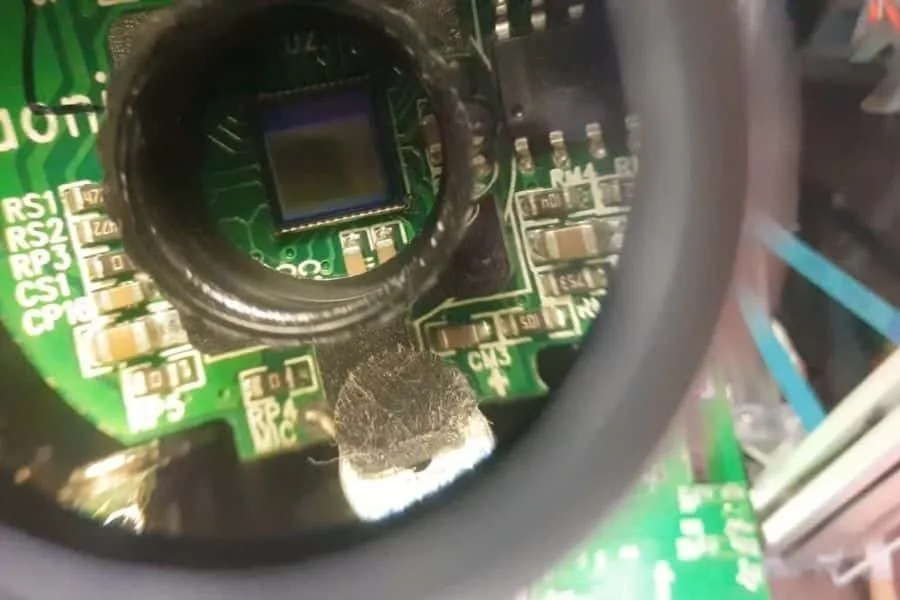
Thermal Imaging for Board Bring-Up Why Heat Tells the Story Every electrical fault leaves a thermal signature. A shorted device draws current and gets hot, a high resistance joint dissipates power, a component that is marginally rated runs warmer than its neighbours, and a reverse polarity part can be found…
SMT Reflow Solder Joint Shear Force: The Force That Breaks It Buyers and engineers often focus on the finished product and forget the production line behind it. In practice, most field failures can be traced back to process decisions made during assembly. Understanding SMT reflow solder joint shear force gives…
New Product Introduction for Electronics What NPI Covers New product introduction is the process that takes a design from the engineer’s bench to a repeatable production line, and its output is a product that can be built at the target cost and quality by people who did not design it.…
PCB Solder Mask Gloss: The Shine on the Mask Buyers and engineers often focus on the finished product and forget the production line behind it. In practice, most field failures can be traced back to process decisions made during assembly. Understanding PCB solder mask gloss gives you a practical advantage…
What Actually Drives PCB Cost Cost Is Set in the Design Most of the cost of a board is decided before a purchase order exists, and it is decided by the design rather than by the negotiation. Area, layer count, material, tolerances, finish and the amount of testing all follow…
Quick-Turn Prototyping and Cycle Compression What Quick Turn Really Buys A quick turn service buys calendar time, and calendar time is the resource a development programme is shortest of. The value is not the board itself but the number of design iterations that fit before a deadline, because each iteration…
SMT Component Feeder Pitch: The Spacing the Feeder Takes Modern electronics depend on boards that are assembled correctly the first time. Every product – a phone, a charger, a medical instrument or an industrial controller – relies on thousands of solder joints that must conduct current for years. This article…
PCB Lead Times: What Actually Drives Them The Shape of a Lead Time A quoted lead time is a sum, not a number. It is the engineering review, the material purchase, the fabrication queue, the drilling, plating, imaging and etching steps, the solder mask, the finish, the electrical test, the…
Traceability in Electronics Manufacturing What Traceability Has to Answer Traceability is the ability to answer three questions: what went into this unit, when and where was it made, and what else was made the same way. Those questions are asked after a defect is found, a supplier issues a recall…
PCB Copper Trace Dielectric Spacing: The Space Between the Copper Buyers and engineers often focus on the finished product and forget the production line behind it. In practice, most field failures can be traced back to process decisions made during assembly. Understanding PCB copper trace dielectric spacing gives you a…