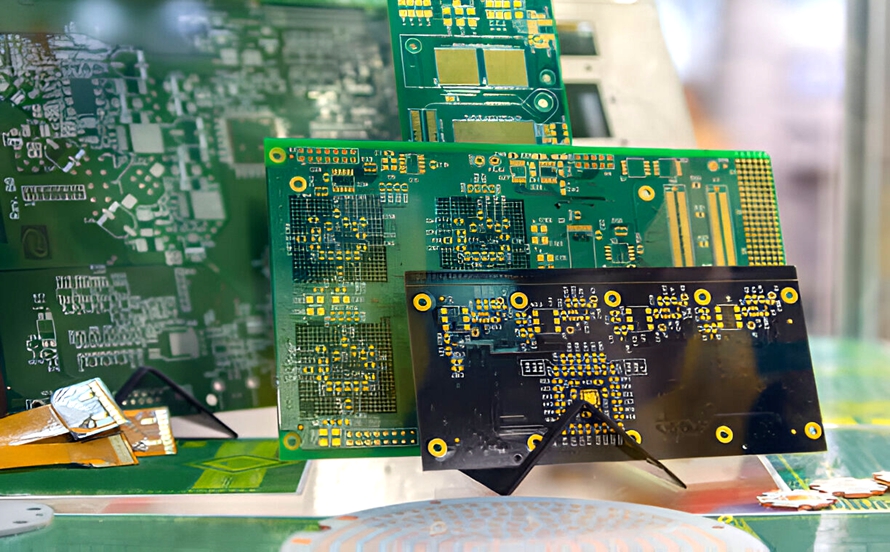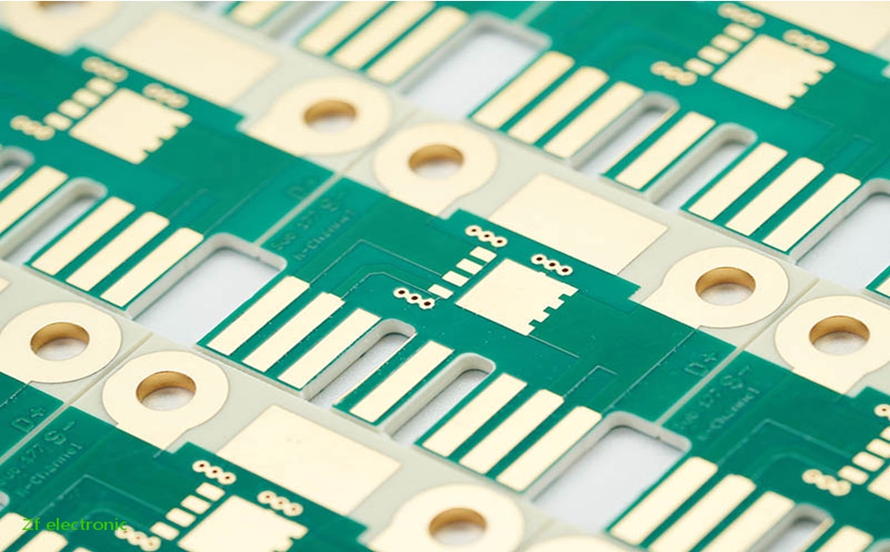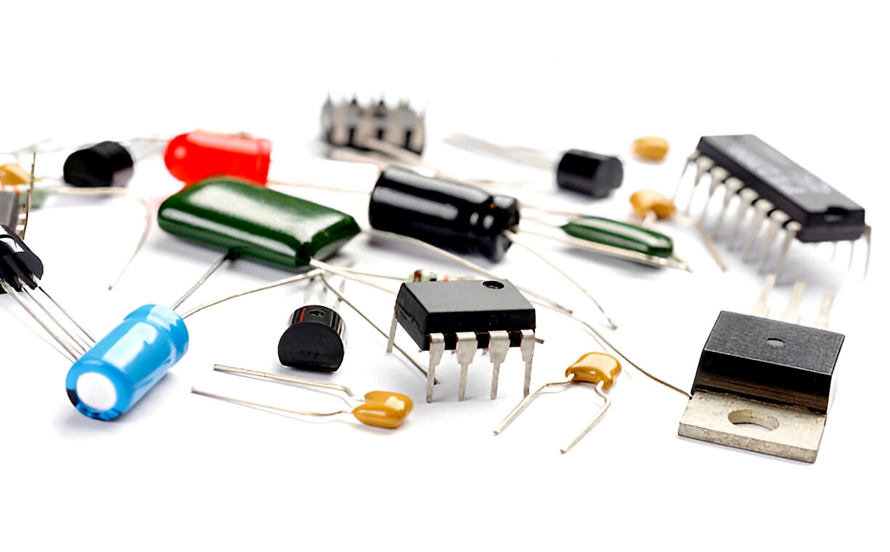
Industrial automation is fundamentally changing modern manufacturing. Robotics, programmable logic controllers, machine vision, sensors, motor drives, industrial computers, communication gateways, and human-machine interfaces are enabling factories to become faster, more precise, connected, and intelligent. At the center of these systems are printed circuit boards (PCBs). PCBs provide the physical and…
The electronics industry is moving toward smaller products, higher component density, shorter production cycles, and increasingly demanding reliability requirements. As these pressures continue to grow, traditional manual manufacturing methods are no longer sufficient for many modern electronic products. This transformation has accelerated the adoption of PCB assembly automation, robotics in…
The global electronics industry is undergoing a major transformation as manufacturers face increasing pressure to improve environmental performance without sacrificing electrical performance, reliability, or production efficiency. Printed circuit boards (PCBs), which form the foundation of modern electronic products, are at the center of this transition. From smartphones, electric vehicles, and…
As electronics become deeply integrated into transportation, healthcare, communications, industrial automation, artificial intelligence, and consumer products, the environmental impact of electronics manufacturing is receiving greater attention. Printed circuit boards (PCBs) are fundamental to almost every electronic system, but conventional PCB manufacturing involves materials, chemicals, water, and energy-intensive processes. As a…
As the electronics industry continues to expand, sustainability has become an increasingly important consideration in PCB manufacturing and PCB assembly. The rapid growth of consumer electronics, electric vehicles, medical devices, IoT products, AI hardware, and industrial electronics has also increased demand for raw materials, energy, and electronic manufacturing resources. As…
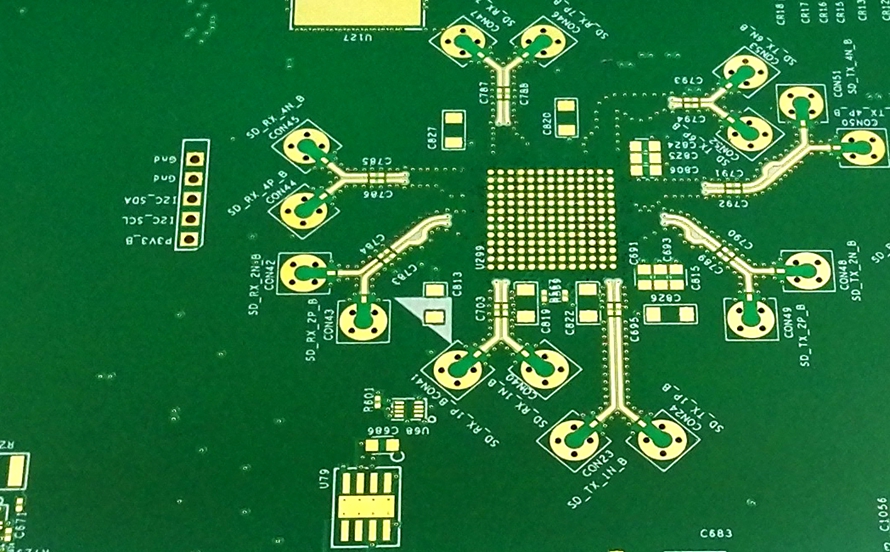
As electronic products continue to deliver higher data rates, faster processing, and greater functional density, high-speed PCB technology has become essential for modern electronics. Applications such as 5G communication, AI servers, data centers, automotive radar, high-performance computing, networking equipment, and advanced industrial systems increasingly depend on high-speed circuit boards to…
High-speed PCB design does not end when the layout is completed. To achieve stable signal integrity, predictable impedance, and reliable performance at multi-gigabit data rates, the PCB must be manufactured using the right materials, a carefully engineered stack-up, and tightly controlled fabrication processes. As interfaces such as PCIe, USB, Ethernet,…
As electronic devices become faster, more compact, and increasingly data-intensive, maintaining signal integrity, controlling impedance, and managing thermal performance have become essential challenges in modern electronics. At the center of these requirements are high-speed PCBs, which provide the electrical infrastructure needed to transmit large volumes of data rapidly and reliably.…
PCB Conformal Coating: Types, Process, Application Methods, Benefits and Design Considerations Outdoor electronics and industrial equipment are increasingly dependent on printed circuit boards (PCBs) to control critical functions. In controlled indoor environments, electronic assemblies are generally protected from excessive moisture, dust, chemicals, and temperature fluctuations. However, outdoor and harsh-environment applications…
PCB Prototype Assembly: Process, Types, Testing, Design Considerations, and Benefits In today’s rapidly evolving electronics industry, manufacturers are under constant pressure to introduce products with more advanced features, smaller form factors, higher performance, and greater reliability. Developing and manufacturing a new electronic product or PCB design is a complex process…