OSP Surface Finish Technology: Why It Is Replacing HASL in PCB Manufacturing
With the continuous development of electronic products toward miniaturization, high density, and higher reliability, PCB surface finishing technology plays an increasingly important role in ensuring soldering quality and long-term product performance.
Among various surface finishing options, OSP Surface Finish has become a widely adopted solution for many electronic applications due to its excellent flatness, environmental advantages, and compatibility with advanced SMT processes.
As a professional PCB manufacturing partner, GOPCBA provides reliable PCB solutions from prototype development to volume production, including advanced manufacturing processes and surface treatment options to meet different customer requirements.
What Is OSP Surface Finish?
OSP (Organic Solderability Preservative) is a chemical surface treatment process that forms a thin organic protective film on the exposed copper surface of a PCB.
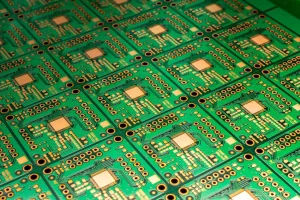
This protective layer prevents copper oxidation before assembly while maintaining excellent solderability during the SMT process. Compared with traditional HASL finishes, OSP creates an extremely flat copper surface, making it highly suitable for fine-pitch components and high-density PCB designs.
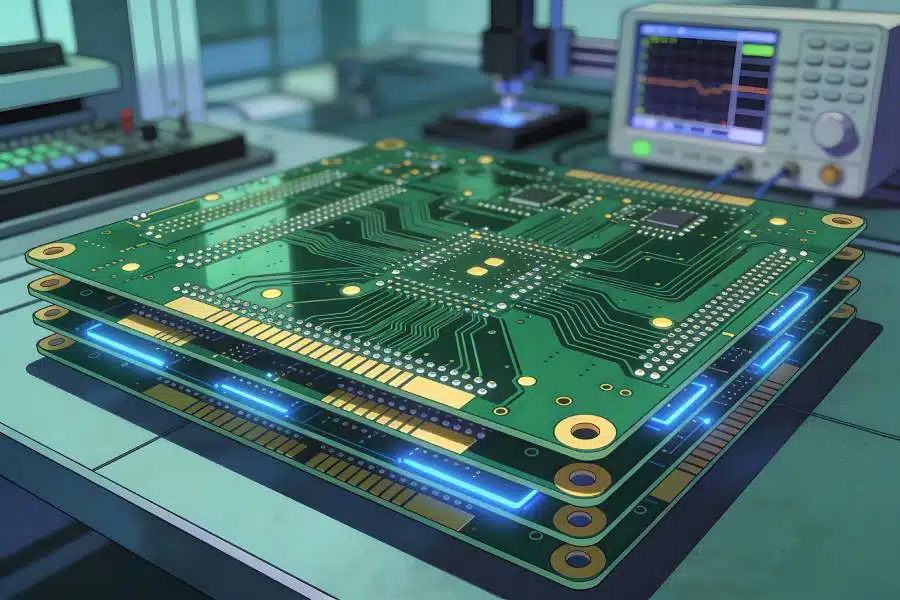
Through advanced PCB Manufacturing capabilities, manufacturers can apply OSP technology to various PCB products, including multilayer boards, HDI PCBs, and high-performance electronic circuits.
Learn more about our PCB production capabilities:
Why Is OSP Surface Finish Widely Used?
1. Lead-Free and Environmentally Friendly
One of the biggest advantages of OSP Surface Finish is that it is a lead-free process.
For PCB applications without special surface durability requirements, OSP provides an environmentally friendly alternative to traditional HASL finishes. It complies with modern electronics manufacturing trends and supports global environmental regulations.
2. Excellent Surface Flatness for SMT Assembly
Traditional HASL processes may create uneven solder surfaces due to the coating process. These surface irregularities can affect fine-pitch component placement and increase risks such as solder bridging or insufficient solder joints.
OSP creates an ultra-thin protective layer while maintaining the original copper surface flatness. This makes it especially suitable for:
- Fine-pitch IC packages
- BGA components
- High-density SMT designs
- Advanced electronic devices
For professional SMT Assembly solutions, surface flatness is a key factor in achieving stable production quality.
Explore our PCB assembly services:
3. Reliable Solderability Performance
OSP provides excellent solderability when handled correctly.
During the soldering process, the organic protection layer is removed by flux activation, allowing direct contact between solder and copper pads. This helps achieve reliable solder joints and reduces common assembly problems.
GOPCBA supports complete PCB Assembly solutions, including SMT, through-hole assembly, testing, and final integration.
4. Easy Pre-Assembly Rework
Another important benefit of OSP is convenient rework before component assembly.
If the PCB surface shows signs of oxidation after extended storage, the board can often be restored through appropriate surface treatment processes instead of being discarded.
This provides additional flexibility for prototype projects and low-volume production where inventory management is important.
Applications of OSP Surface Finish
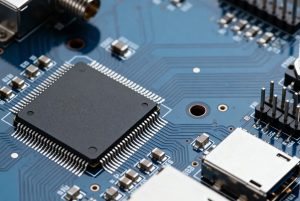
Because of its reliability and cost efficiency, OSP is widely used in many industries, including:
- Consumer electronics
- Industrial control systems
- Automotive electronics
- Medical devices
- Communication equipment
- Smart home products
For different application requirements, GOPCBA provides customized manufacturing solutions covering PCB fabrication, component sourcing, assembly, and testing.
View our complete PCBA capabilities:
Limitations of OSP Surface Finish
Although Surface Finish Technology based on OSP offers many advantages, it is not suitable for every PCB application.
Certain products may require alternative surface finishes due to mechanical or environmental requirements.
Gold Finger Applications
Gold fingers require strong wear resistance for repeated insertion and removal. OSP is not recommended because the protective layer may be damaged during mechanical contact.
Half-Hole PCB Applications
Half-hole PCBs often require secondary soldering processes. After high-temperature soldering, long-term storage may affect future solderability.
Special Industrial Applications
Some military or highly specialized applications may require specific surface finishes according to industry standards and customer specifications.
Choosing the correct surface finish depends on product requirements, operating environment, and assembly process.
OSP PCB Assembly Handling Guidelines
To achieve the best soldering performance, manufacturers should follow several important handling recommendations.
Complete Assembly Within Recommended Time
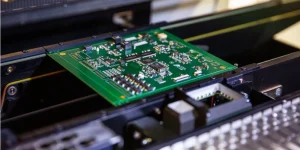
After opening the packaging, PCB boards should be assembled as soon as possible to reduce oxidation risks.
For SMT production, timely processing helps maintain consistent soldering quality.
Control the Number of Thermal Cycles
Under standard manufacturing conditions, OSP PCBs generally support multiple soldering processes. However, excessive thermal cycles may affect surface performance.
Manufacturers should evaluate soldering requirements carefully before selecting OSP.
GOPCBA Provides Reliable PCB Manufacturing and Assembly Solutions
Selecting the right PCB surface finish is essential for improving product reliability, manufacturing efficiency, and assembly performance.
With professional engineering support and advanced production capabilities, GOPCBA provides complete electronic manufacturing solutions, including PCB Manufacturing, PCB Assembly, component sourcing, inspection, and testing.
Our quality management system follows strict manufacturing standards to ensure consistent production performance.
Learn more about our quality control process:
For complete turnkey solutions, including PCB fabrication, assembly, testing, and supply chain management:
Contact GOPCBA for your next PCB project: