Lead-Free Soldering in PCBA: Process Control Guide Lead-free soldering is now the default for most commercial electronics, yet the alloy change is the smallest part of the job. The real work sits in thermal profiles, material compatibility and inspection discipline. A board that passes at one supplier can fail at…
PCBA Production vs SMT Assembly: Key Differences Buyers often use PCBA production and SMT assembly as if they mean the same thing. They do not. SMT assembly is one stage that places surface-mount parts on solder pads. PCBA production is the wider workflow that delivers a tested assembly. The distinction…
Wave Soldering vs Selective Soldering: Which Is Best? The choice between wave soldering and selective soldering shapes yield, cost and thermal risk on every through-hole build. Both processes use molten solder to form electrical and mechanical joints. They differ in how much of the board sees heat and how precisely…
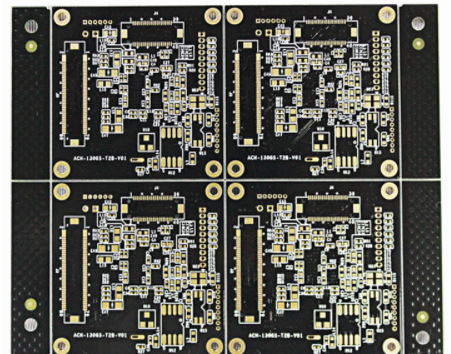
Gerber Files for PCB Manufacturing and Assembly Gerber files carry the copper shapes, mask openings, legend and outline that a fabricator needs to build a board. They are not a design archive. They are a manufacturing instruction set, and every layer must be present and correct before tooling starts. A…
Through-Hole PCB Assembly: Key Processes and Controls Through-hole assembly still carries the parts that must survive vibration, heat, and repeated handling. Connectors, relays, transformers, and electrolytic capacitors often depend on a lead that passes through the board and is soldered on the far side. That mechanical anchor is the reason…
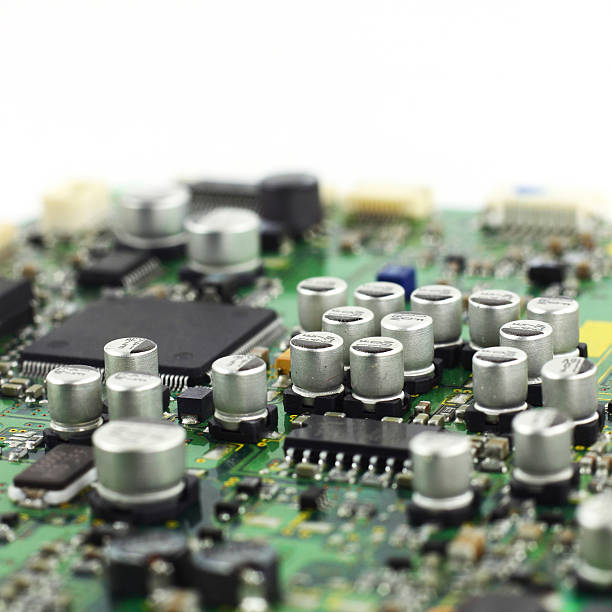
PCBA Mainboard Explained: Key Components and Assembly A PCBA mainboard is a bare PCB populated with components that work as one system. Its reliability depends on how materials, layout, parts and process steps interact. A single drift in paste volume or reflow profile can turn a good design into scrap.…
7 Common SMT PCB Assembly Mistakes Engineers Should Avoid Most SMT defects do not come from a single broken machine. They come from small process decisions that repeat across every board. A soldering tip pressed too hard, a flux layer applied too freely, or a rework habit copied between operators…
PCB Layout: Placing and Installing Decoupling Capacitors Digital devices draw short current spikes whenever their outputs change state. If the power distribution network cannot supply that current quickly, the rail voltage moves and signals suffer. A decoupling capacitor supplies charge locally and closes the loop near the load. Value, package,…
PCB Design: Reducing Errors and Improving Efficiency A small schematic mistake can survive weeks of review and appear only at first power-up. Complex boards carry thousands of nets, and manual inspection rarely catches every naming slip or floating node. The cost of finding such faults after fabrication is far higher…
Essential PCB Design Basics for Reliable Production A reliable board starts with decisions made long before the first panel is cut. Connecting components with traces is only one part of the job. Layer stack-up, power distribution, grounding, return paths, placement, routing and manufacturing limits must work together. Mistakes in the…