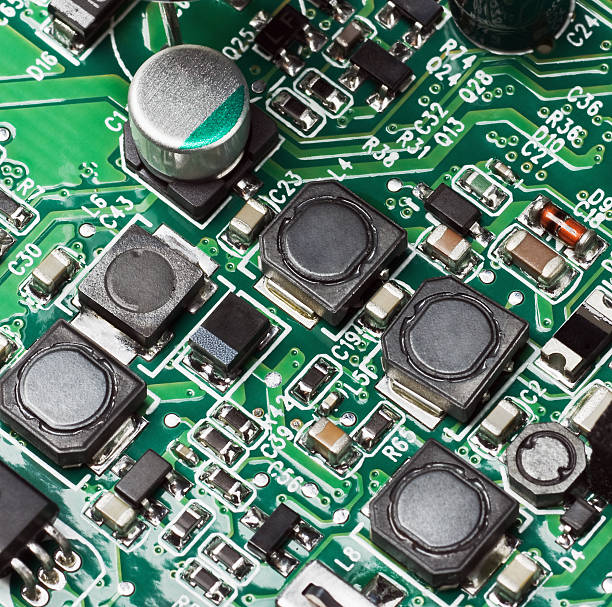
Elevator Control Board EMC: PCB Design and Manufacturing An elevator control board sits beside motors, drives and contactors that switch heavy currents many times a second. That environment decides how the board must be designed and built. EMC is not a test you add at the end of a project.…
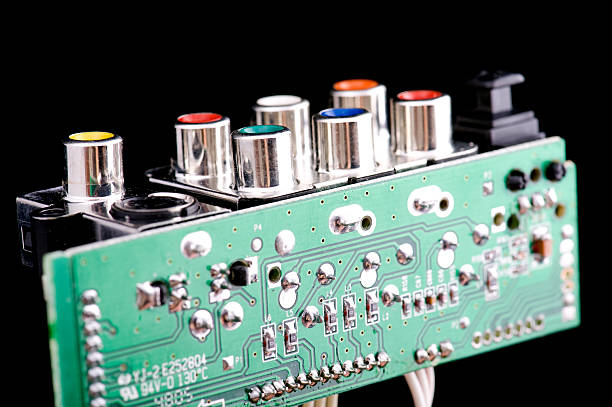
Anti-Counterfeit RFID PCB Design and Traceability A counterfeit part often looks correct until it fails in the field. Visual labels and printed serial numbers are easy to copy, so many teams move identity into the board itself. An anti-counterfeit RFID PCB combines a circuit board, an RFID device, a unique…
Quick Turn PCB Prototyping for Faster Design Validation A prototype board answers questions that no simulation can settle. It shows whether the circuit behaves under real power, whether the parts fit, and whether the stackup supports the signals you planned. Quick turn PCB prototyping compresses the wait between design release…
PCB Prototyping Manufacturer: Process and Inspection A prototype board carries more risk than its small quantity suggests. It must prove a design before tooling, panels and purchase orders commit the program to volume. The gap between two prototyping suppliers rarely shows in the quotation figure. It shows in how the…
PCB Manufacturing Process: Key Steps and Quality Control A bare board leaves the fab with nothing to show for the effort except copper, laminate and finish. Yet every step behind it decides whether the board survives assembly and years of service. The PCB manufacturing process runs from data review through…
Industrial Control PCB Manufacturing That Holds Up Industrial control boards run continuously in cabinets, motor drives, and factory cells. They face heat, vibration, electrical noise, and humidity for years without a service visit. A board that works on the bench may still fail in the field if the fabrication process…
PCB Manufacturing: How to Choose the Right Manufacturer Two suppliers quote the same bare board, and the paperwork looks identical. The difference appears later, when one batch drifts and nobody can explain why. Choosing a PCB manufacturer is really a question of process control, engineering depth, and records you can…
ENIG Finish for Metallized Half-Hole PCBs: Process Control A metallized half-hole board is drilled, plated, and then cut along its edge. The cut leaves a semicircular plated surface that solders directly onto a host board. This castellated edge is the whole point of the design, because it carries both current…
High-Frequency Hybrid PCB Lamination Process Comparison High-frequency products often mix FR-4 with low-loss or PTFE-based laminates in one stackup. This hybrid approach balances electrical performance against material cost. It also creates a bonding problem, because the materials expand, soften and flow at different rates. Lamination is where those differences either…
5G PCB Impedance Control: Key Factors and Manufacturing 5G hardware mixes high-frequency RF paths with fast digital interfaces on the same board. At these speeds, a trace is no longer a simple wire. It behaves as a transmission line, and its impedance must stay within tolerance from driver to receiver.…