How to Repair a Damaged PCB: PCB Repair, Pad Repair & Trace Repair Guide Printed circuit boards (PCBs) are fundamental components of almost every modern electronic product. From consumer electronics and automotive systems to industrial controls, medical equipment, telecommunications, and power electronics, PCBs provide the electrical and mechanical foundation for…
PCB Surface Blistering is a common quality issue associated with insufficient bonding between different material or metal layers during PCB Manufacturing. It may appear as localized bubbles, lifting, peeling, or separation between the copper layer and substrate, or between different plated layers. For a Multilayer PCB, surface blistering is often…
Custom PCB Design and Manufacturing: Custom PCB Board Process, Benefits & Applications As electronic products become smaller, smarter, and more multifunctional, conventional printed circuit boards (PCBs) are often no longer sufficient to meet increasingly complex system requirements. A standard PCB is typically designed around a defined circuit architecture and a…
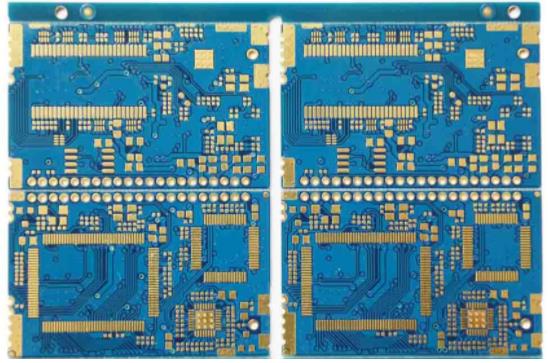
How to Determine PCB Layer Count: PCB Layers, Stackup & Inspection Guide The rapid development of electronics and automation has made the PCB (Printed Circuit Board) an essential part of almost every modern electronic product. From consumer electronics and industrial automation equipment to automotive systems, telecommunications, medical devices, and aerospace…
How to Program a PCB: PCB Programming, Firmware Flashing & Testing Guide Modern electronic products are expected to perform increasingly complex tasks while remaining compact, reliable, and upgradeable. The development of the PCB (Printed Circuit Board) has made this possible by providing a compact platform for integrating electronic components, power…
Fast and Reliable PCB Prototyping Services A prototype board answers one question: does the design work outside the simulator? Speed matters, but only when the result is trustworthy. A fast board with a marginal solder joint wastes more time than a slower build that passes first time. Fast and reliable…
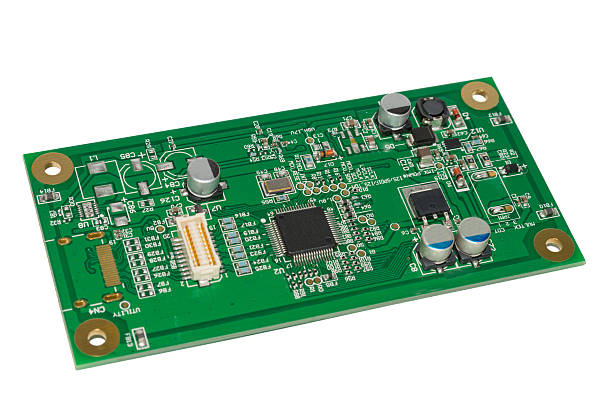
How to Read a PCB Board: PCB Components, Layout, Traces & Troubleshooting Guide Printed circuit boards are the backbone of modern electronic systems. By integrating conductive copper structures, electronic components, interconnections, and mechanical features into a compact platform, a PCB board allows complex electronic functions to be implemented in a…
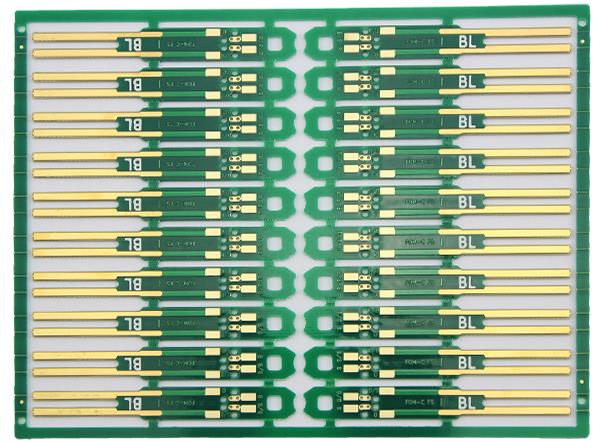
High-Frequency PCB Manufacturing: Materials and Process High-frequency boards fail for reasons that rarely appear on a drawing. A laminate with drifting dielectric constant, a rough copper foil, or a lamination cycle that shifts dielectric thickness can all move impedance away from target. These effects grow as frequency rises, so the…
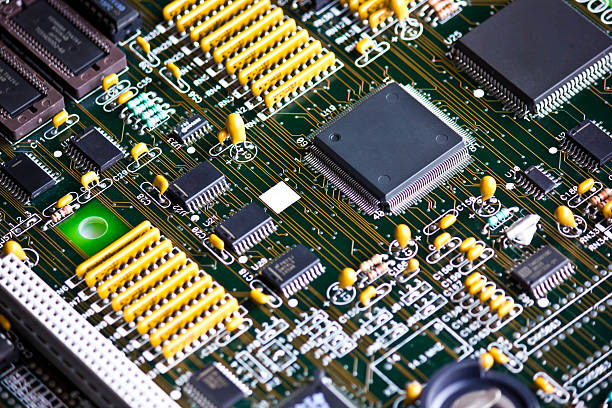
How to Read a PCB Layout: PCB Layout Files, Components, Layers & Traces Guide A PCB layout is one of the most important technical representations in modern electronics design. It translates an electronic circuit from a logical schematic into a physical arrangement that can be manufactured and assembled. While a…
In modern Multilayer PCB design, mechanical features such as slots, cutouts, and non-circular plated or non-plated holes are increasingly common. These features are widely used for connector interfaces, mechanical positioning, heat dissipation, component clearance, and structural requirements. Unlike conventional round drilled holes, PCB Slots and obround pads require additional manufacturing…