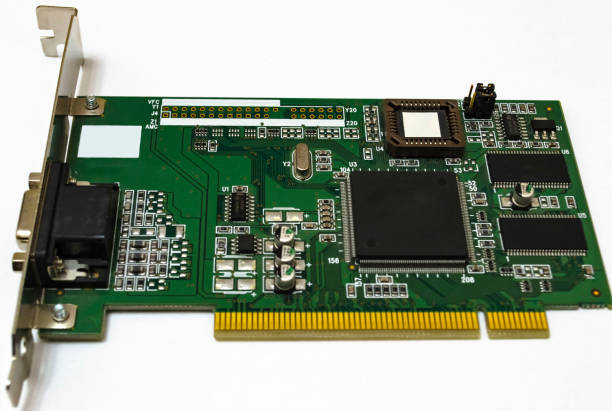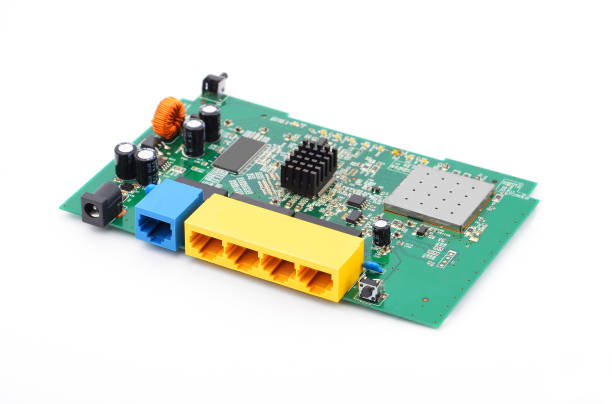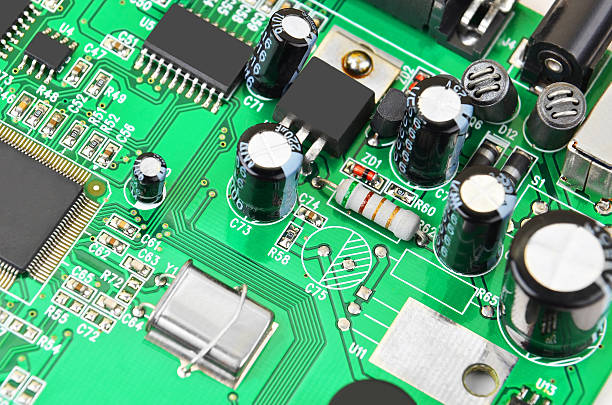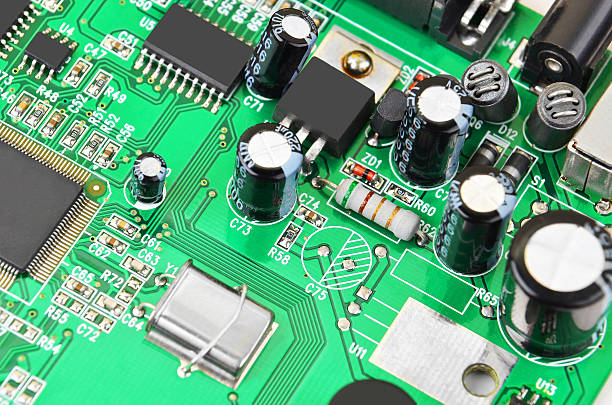
Gerber to PCB: How to Convert Gerber Files into an Editable PCB Design In electronic engineering and PCB manufacturing, Gerber files are one of the most widely used formats for communicating fabrication data to a PCB manufacturer. They describe the physical artwork required to manufacture a circuit board, including copper…
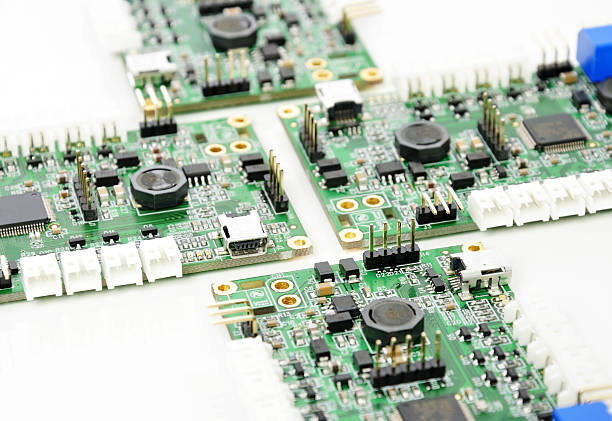
Miniaturized PCB Manufacturing: Design to Assembly Small products put pressure on every step of board production. A wearable, a sensor node or a handheld medical device needs more function in less area, and the board must still work reliably. Miniaturized PCB manufacturing is not simply a shrink of a standard…
PCB Pricing: Key Cost Drivers That Shape Your Quote Two quotations for the same Gerber files can differ by a wide margin, and the reason is rarely a single line item. PCB pricing reflects how much material the board consumes, how many process steps it needs, and how much engineering…
EV Charging Station Power Module PCB Design Guide A charging power module carries grid energy through rectification, power-factor correction and DC conversion before it reaches the vehicle battery. The PCB ties those stages together, so its copper, stackup and thermal paths shape current distribution and long-term reliability. This guide explains…
Low-Power PCB for IoT Devices: Design to Production A battery-powered sensor node can sit in a field for years, so every milliamp on the board matters. The low-power PCB carries that burden quietly through power distribution, grounding, sleep control, and radio layout. Small choices made at layout review decide whether…
FR4 vs High-Frequency PCB Materials: Key Differences Substrate choice shapes impedance, loss, thermal margin and final cost. FR4 and high-frequency laminates sit at opposite ends of that decision. FR4 is the workhorse of the industry, built on woven glass and epoxy resin. High-frequency materials use PTFE, hydrocarbon or ceramic systems…
ENIG vs. HASL: Which PCB Surface Finish Is More Durable? Durability questions about surface finishes usually start with a simple comparison. Engineers ask whether ENIG or HASL lasts longer on a given board. The honest answer is that each finish protects different things. ENIG resists oxidation and holds a flat…
Impedance-Controlled PCB Parameters for Signal Integrity High-speed boards fail quietly when impedance drifts. A trace that measures well on the bench can still reflect energy once the stackup, copper weight and dielectric change in production. Impedance-controlled PCB work therefore starts with a written target and a defined tolerance, not with…
Radar System High-Frequency PCB Manufacturing Radar hardware turns weak echoes into usable target data, and the PCB carries every one of those signals. At microwave and millimeter-wave frequencies, small process drift becomes large yield loss. A board that behaves well at low frequency can fail once the same design runs…
PCB Copper Thickness: Standard and Heavy Copper Copper thickness sets the current capacity, thermal path and fabrication difficulty of a board. Standard foil suits most signal and low-power work, while heavy copper serves high-current paths. The choice is not a simple material upgrade. It changes etching, plating, lamination and soldering…