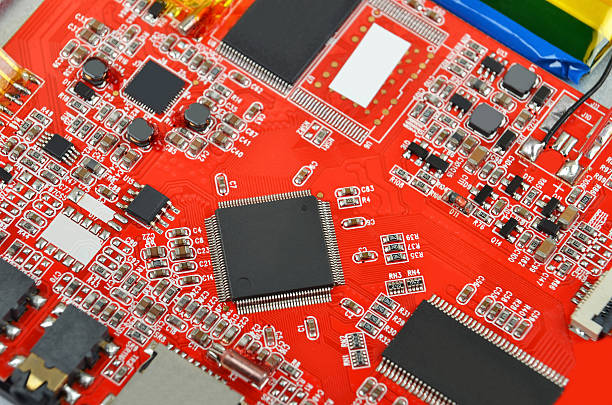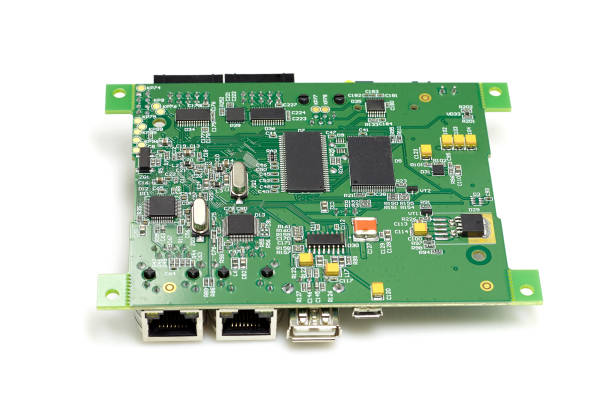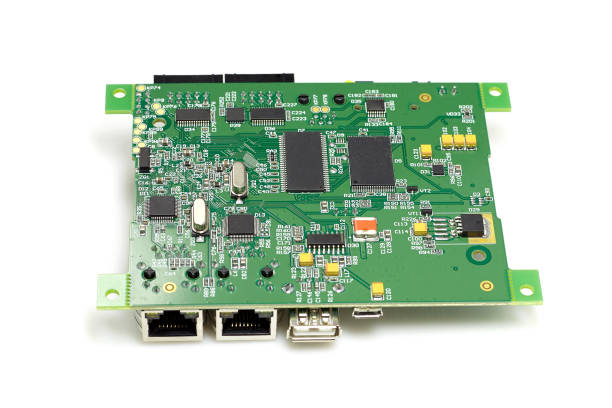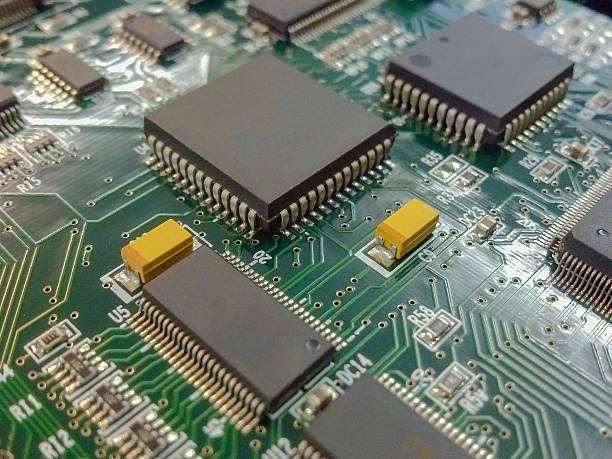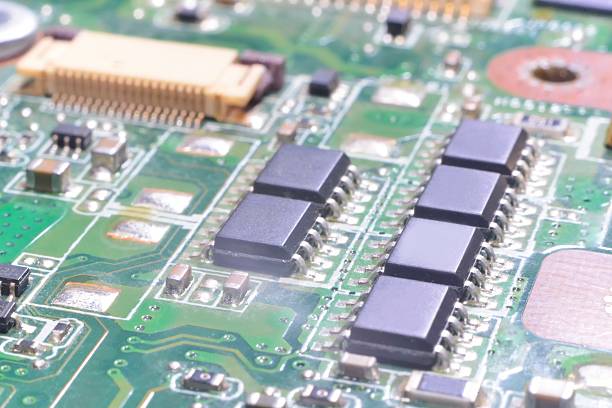
High-Frequency PCB for Medical Imaging Equipment Imaging systems such as CT, MRI, and ultrasound depend on boards that carry fast signals without distortion. A high-frequency PCB for medical imaging equipment must hold its electrical behavior stable over years of use. Small impedance shifts can blur data and force service calls.…
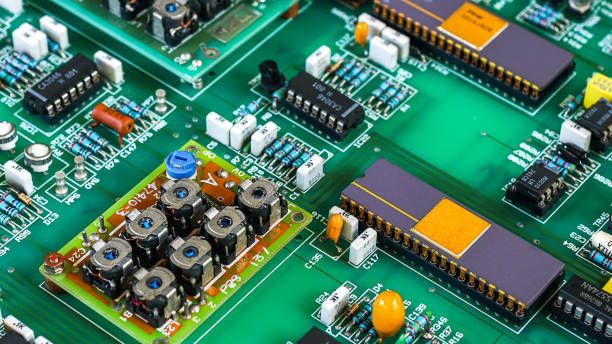
Communication Test Equipment PCB Build Guide A communication test instrument measures signals, so its own hardware must not distort them. The communication test equipment PCB carries frequency, amplitude and phase information between modules, and any loss or reflection shows up in the reading. That makes the board part of the…
Smart Access Control PCB Manufacturing Guide Smart access control hardware covers facial recognition terminals, RFID readers, smart locks, and building entry panels. Each unit must identify users, store permissions, and report events without interruption. The printed circuit board carries that work, linking sensors, controllers, radios, and power stages on one…
Common Multilayer PCB Lamination Problems and Fixes Lamination bonds inner layers and prepreg into one solid board under heat and pressure. The process decides mechanical strength, insulation performance, dimensional stability and electrical reliability. When it drifts, boards fail inspection, need rework, or fail later in the field. Material moisture, temperature,…
How to Reduce Common PCB Prototyping Errors: 5 Key Practices Most prototype failures start long before the first drill bit touches copper. They begin with a vague note in an email, a material chosen by habit, or a dimension nobody rechecked after cutting. None of these mistakes needs advanced technology…
Why Do PCB Prototypes Fail: Five Details to Check Most prototype failures do not come from exotic technology. They come from small gaps between what the designer intended and what the factory built. A board can pass a visual check and still fail functional test, because the real cause sits…
5 Hidden Factors That Cause PCB Pricing Quotes to Vary Two suppliers can quote the same Gerber files and still land far apart on price. Buyers often assume the gap is pure margin, but the real causes sit deeper in the job. Material grade, process complexity, order volume, inspection depth…
ENIG vs. Hard Gold: 5 Key Differences for PCB Finishes ENIG and hard gold both put gold on a PCB, yet they solve different problems. One finish is built for soldering, the other for repeated mechanical contact. Buyers who treat them as interchangeable often pay for durability they never use,…
Medical PCB Assembly Cleanliness Control Guide Medical electronics cover patient monitors, ultrasound systems, surgical robots and diagnostic instruments. Each device depends on printed circuit boards that must work reliably for years. Contamination on those boards can cause leakage, corrosion and intermittent faults. A structured cleanliness program controls where contamination comes…
PCB Industry Trends: 10 Technologies Shaping Manufacturing Ten technology shifts now reshape how bare boards are built, inspected and bought. Each one changes a process step, a material choice or a quality check that engineers must plan for early. Buyers who understand these shifts ask sharper questions during supplier audits…