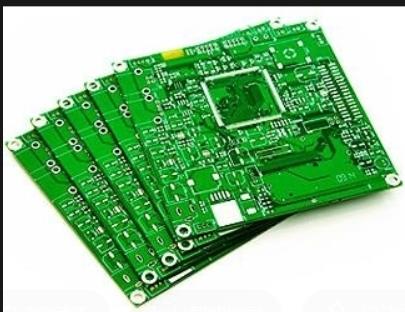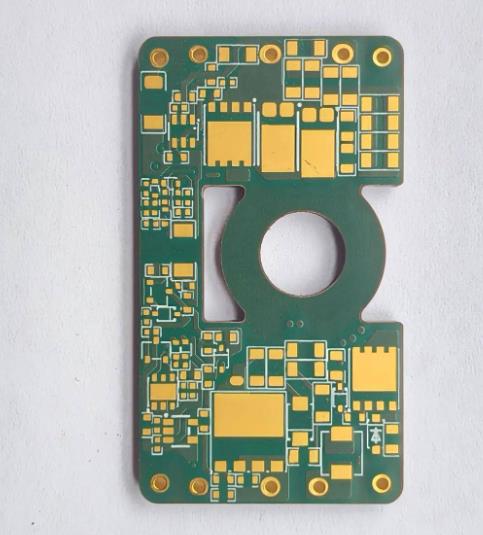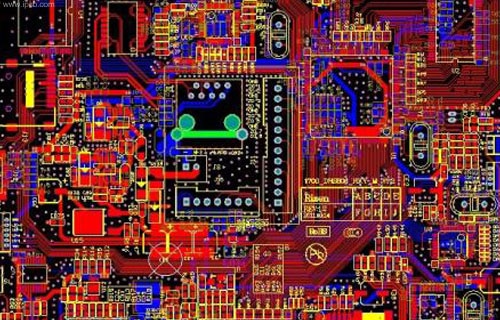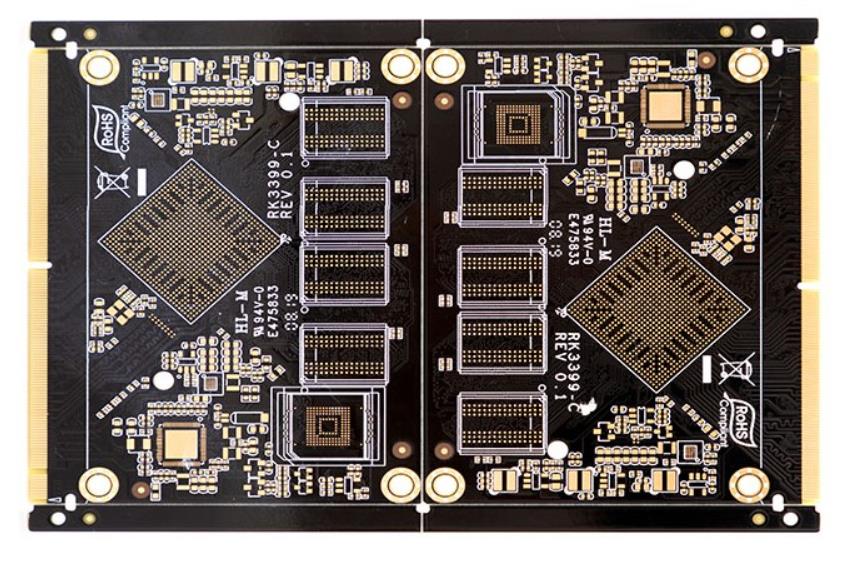
PCB Design Basics: Stack-Up, Grounding, and Routing A reliable board is decided long before the first panel enters fabrication. The layer stack-up, the ground strategy and the routing rules set the electrical behavior of the finished product. They also set how easily it can be built, tested and repeated in…
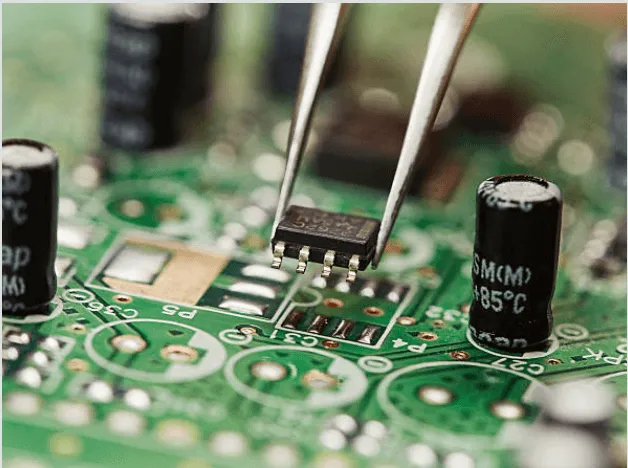
Multilayer PCB Design for EMI Control and Signal Integrity Fast edges and short rise times push more high-frequency energy into every trace and plane. EMI control therefore starts with the board architecture, not with a filter added late. The stackup decides how tightly fields stay bound to their traces and…
14 Key Characteristics of High-Reliability PCBs Two boards can leave factories with the same outline and the same finish. The difference sits in details that never reach the quotation: hole-wall copper, laminate traceability, cleanliness, and how each lot is recorded. This review sets out fourteen characteristics that separate a dependable…
Introduction to PCB Manufacturing Process The PCB Manufacturing Process is a highly precise and systematic procedure used to transform raw materials into reliable printed circuit boards for electronic products. With the rapid development of modern electronics, PCB technology continues to evolve to support higher circuit density, faster signal transmission, improved…
The Importance of PCB Layer Stackup in EMI Control With the continuous development of modern electronic products, circuit operating frequencies are increasing rapidly while device sizes continue to shrink. These trends bring significant challenges to electromagnetic compatibility (EMC), especially electromagnetic interference (EMI) control. There are many methods available to solve…
In the early stages of PCB Design, engineers were often less involved in planning the internal layer structure of a circuit board. Designers mainly needed to know the required number of layers and basic layer assignments to configure their design tools. Beyond that, they had limited interaction with the layer…
PCB Silkscreen vs Solder Mask: What’s the Difference? In printed circuit board (PCB) design and manufacturing, each functional layer plays a critical role in determining product performance and reliability. Among them, the silkscreen layer (also known as the legend layer) and the solder mask layer are the two most frequently…
Comprehensive Guide to Custom Washing Machine PCB Manufacturing Services (2026) In today’s rapidly evolving smart appliance industry, washing machines are no longer simple mechanical devices but intelligent products integrating complex electronic control systems. The washing machine PCB (Printed Circuit Board) serves as the core control unit, responsible for coordinating motor…
The correct installation and placement of electronic components on a PCB is one of the most important factors affecting soldering quality, assembly efficiency, and product reliability. A well-designed PCB Component Placement strategy can significantly reduce manufacturing defects, improve electrical performance, and enhance the overall reliability of electronic products. With the…
Today, almost every electronic product depends on one or more Printed Circuit Boards (PCBs) to provide electrical connections and support the operation of electronic components. From smartphones, automotive electronics, communication equipment, and industrial control systems to medical devices and intelligent wearable products, PCBs have become an essential foundation of modern…