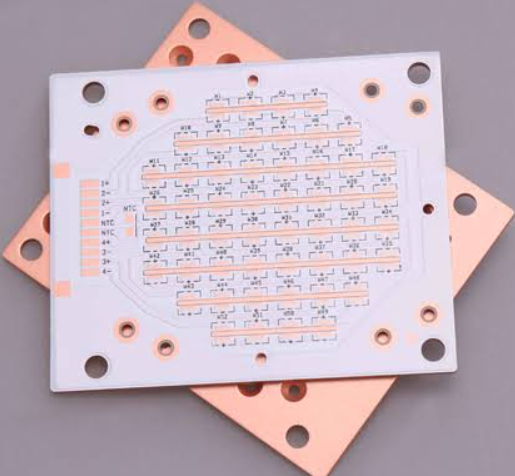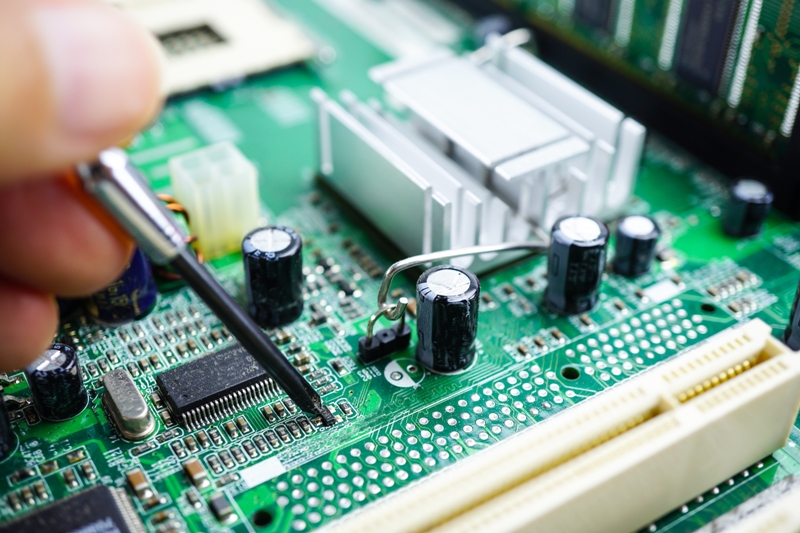
40-Layer Any-Layer Interconnect PCB for High-Speed Systems A 40-layer board with any-layer interconnect sits at the top end of high-density fabrication. Each layer pair can host microvias, so connections form where the routing needs them. That freedom changes stackup planning, lamination cycles, and drilling control all at once. This article…
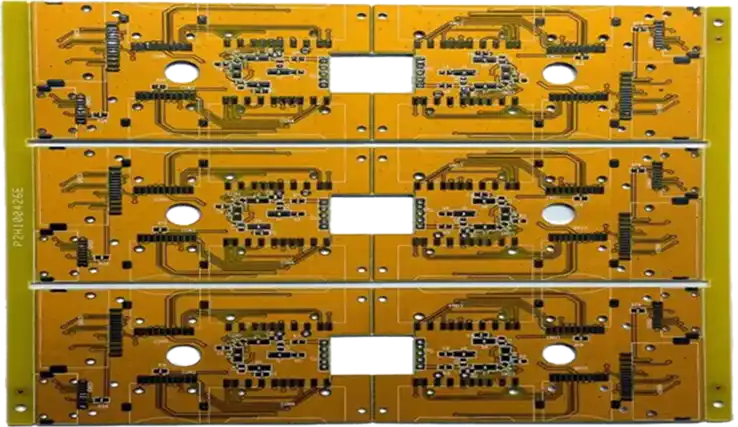
Immersion Silver for Multilayer PCB Surface Finishes Immersion silver deposits a thin silver layer directly onto exposed copper through a displacement reaction. On multilayer boards, that simple step sits at the end of a long chain of drilling, plating, imaging and lamination work. The finish protects pads and test points…
Multilayer PCB Via Plugging Process and Quality Control Via plugging fills the barrel of a via so the surface stays flat and the connection stays sound. On multilayer boards, that fill sits between drilling, plating, lamination and final finishing. Each step leaves a mark on the next one. A weak…
Automotive Multilayer PCB Manufacturing Guide Vehicle electronics face wide temperature swings, vibration, electrical noise, and long service cycles. A multilayer board must hold its electrical and mechanical performance through all of them. Reliability starts with material choice, stack-up design, and process control, not with layer count alone. This guide walks…
Automotive PCB vs Standard PCB: Design and Build Differences A standard board and a vehicle board can share the same outline and still behave very differently in service. The gap comes from the environment, the reliability target, and the controls used during production. Automotive electronics must survive heat, vibration, moisture,…
High-Speed PCB Stack-Up Design Guide High-speed stack-up design decides how a board behaves before any trace is routed. The layer order, dielectric thickness and reference-plane placement set the electrical environment for every signal. A weak stack-up cannot be rescued by careful routing alone. This guide explains the decisions that matter,…
Multilayer PCB Material Selection Guide for Engineers Material choice decides how a multilayer board behaves in the field. It sets impedance, thermal margin, and long-term mechanical stability. It also decides how easily the board moves through fabrication and assembly. This guide walks through the parameters that matter, the main material…
High Tg FR4 PCB Material: Complete Technical Specifications and Selection Guide (2026) High Tg FR4 PCB material is an enhanced glass-reinforced epoxy laminate with a glass transition temperature of 170–180°C, specifically engineered to withstand lead-free assembly processes and high-temperature operating environments. Standard FR4 (Tg 130–140°C) softens during 260°C lead-free reflow,…
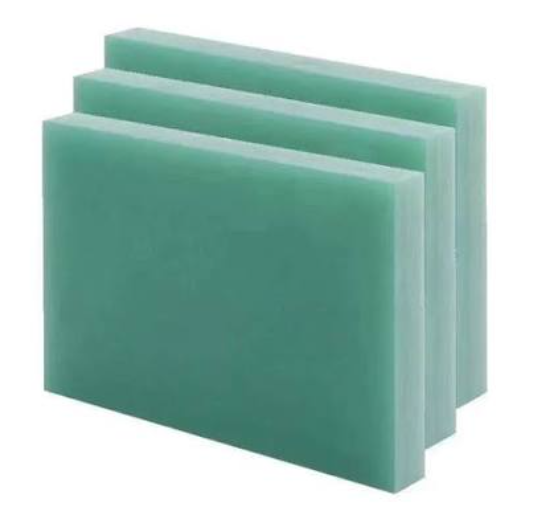
FR4 Fiberglass PCB Material: Complete Technical Specifications and Selection Guide (2026) FR4 fiberglass PCB material is a glass-reinforced epoxy laminate that serves as the industry-standard base material for rigid printed circuit boards. It offers an optimal balance of electrical insulation, mechanical strength, thermal stability, and cost-effectiveness for the majority of…
Aluminum vs FR4 PCB Material: Thermal Conductivity, Cost, and Selection Guide Aluminum PCBs deliver thermal conductivity 4–10× higher than FR4 through a metal core that acts as a built-in heatsink, while FR4 remains the industry-standard electrical insulator for multi-layer digital designs. FR4 offers superior electrical insulation, lower cost, and supports…