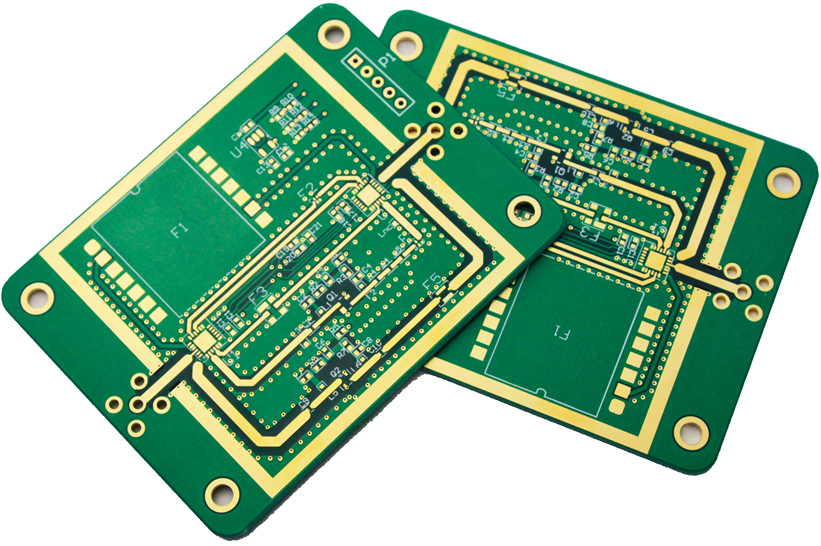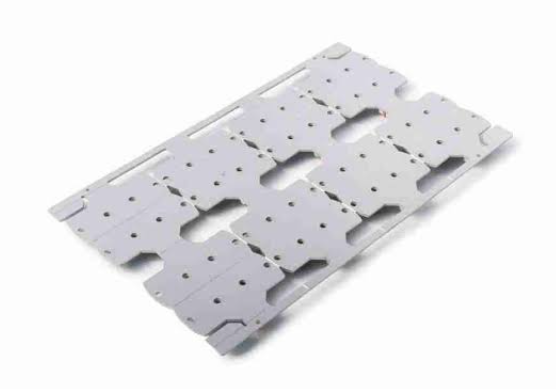
Aluminum PCB Dielectric Material: Selection Guide An aluminum PCB dielectric material is the thermally conductive but electrically insulating layer sandwiched between the copper circuit and the aluminum base plate. It enables heat dissipation from power components while preventing electrical shorts. For high-power LED arrays and motor drivers, select a dielectric…
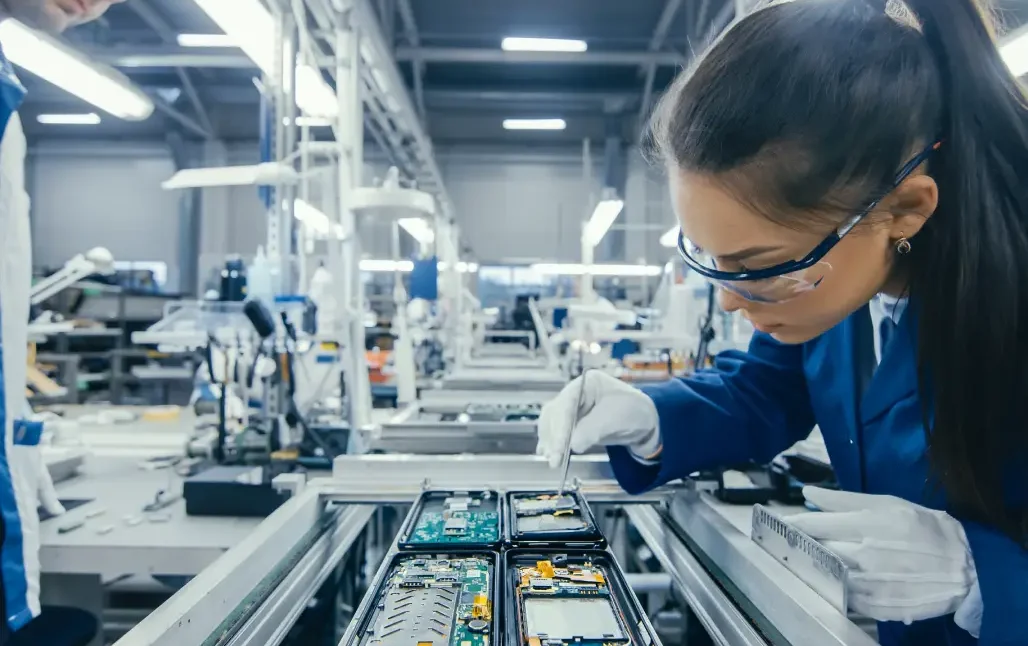
PCB Materials and Specifications: The Complete Engineer’s Guide for 2026 Selecting the right PCB materials and specifications is the single most consequential decision in board design — it determines signal integrity, thermal performance, manufacturing yield, and field reliability. This guide covers every major substrate family, IPC specification framework, key electrical…
PCB Substrate Material Selection Guide: FR4, Rogers, Polyimide, and PTFE Compared Choose the right PCB substrate material by matching three constraints simultaneously: thermal operating range, signal frequency, and unit cost target. For most designs running below 1 GHz with peak board temperature under 130°C, standard FR-4 is sufficient. Upgrade to…
PCB Material Comparison: FR4, Rogers, PTFE and High-Tg The best material for PCB manufacturing depends on your operating frequency, thermal environment, mechanical requirements, and cost constraints. For most general-purpose applications below 1–2 GHz, standard FR4 is the most cost-effective choice. For high-frequency designs above 3 GHz, low-loss materials like Rogers…
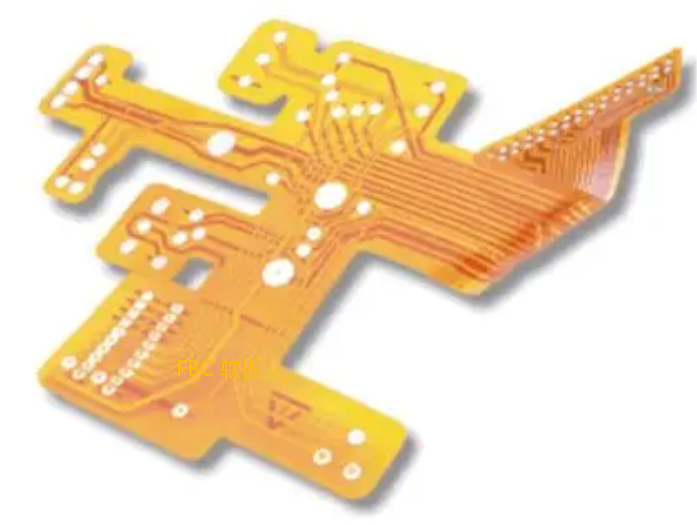
Polyimide Flexible PCB Material: Selection Guide Polyimide flexible PCB material is the industry-standard substrate for flexible printed circuits, offering an unmatched combination of thermal endurance, mechanical flexibility, and chemical resistance that no other organic substrate can match. With a continuous operating range from -269°C to +400°C and bend endurance exceeding…
2oz–8oz Heavy Copper PCB for High-Current Power Boards High-current power boards fail for simple reasons. A trace is too narrow, heat cannot leave the copper, or the laminate cannot hold thick foil through thermal cycling. Copper weight between 2oz and 8oz widens the conductor cross-section and spreads heat across the…
AI Server Backplane PCB Manufacturing Guide AI server racks pack more compute into less space, so the backplane carries more channels at higher speeds. That shift changes what a fab must control. Layer count rises, dielectric tolerances tighten, and every drill and lamination step matters more. This guide explains how…
High-Frequency PCB Manufacturing Key Process Requirements High-frequency boards fail for reasons that rarely appear on the drawing. A dielectric layer presses a few microns thin, a drill bit wears past its limit, or an etch line drifts wide, and the impedance moves with it. The electrical target set during design…
ADAS PCB Manufacturing: Complete Guide to Standards, Materials, and Production for Automotive Electronics ADAS PCB manufacturing requires specialized substrates, precision HDI fabrication, and compliance with automotive-grade reliability standards to support 77 GHz radar, camera modules, and sensor fusion domain controllers. The global automotive PCB market is projected to reach $11.4…
EV Battery PCB: Materials, Design and Manufacturing An EV battery PCB must safely manage 400–800V of pack voltage while maintaining ±2mV cell measurement accuracy over a 15-year automotive lifespan. This guide provides a comprehensive comparison of substrate materials, high-voltage isolation requirements, thermal management strategies, and manufacturing considerations for electric vehicle…